
Decorative Metal Trays
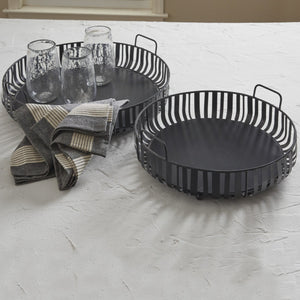
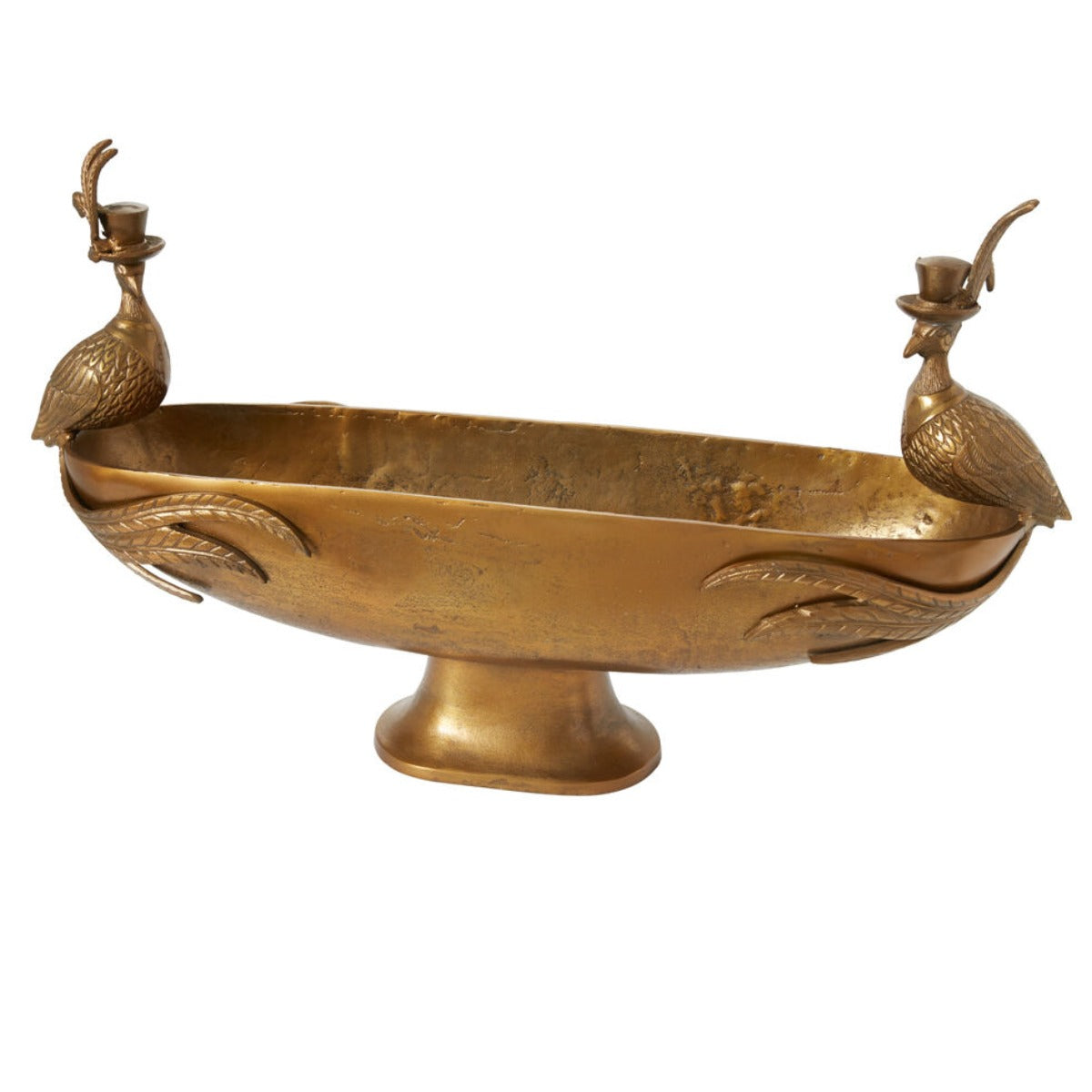
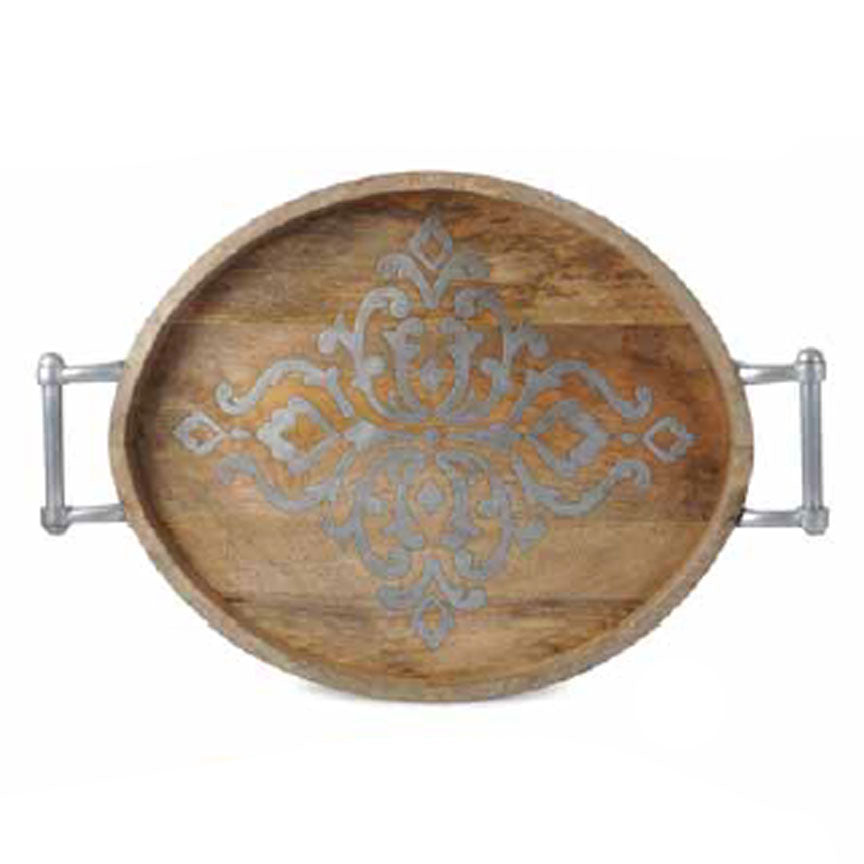
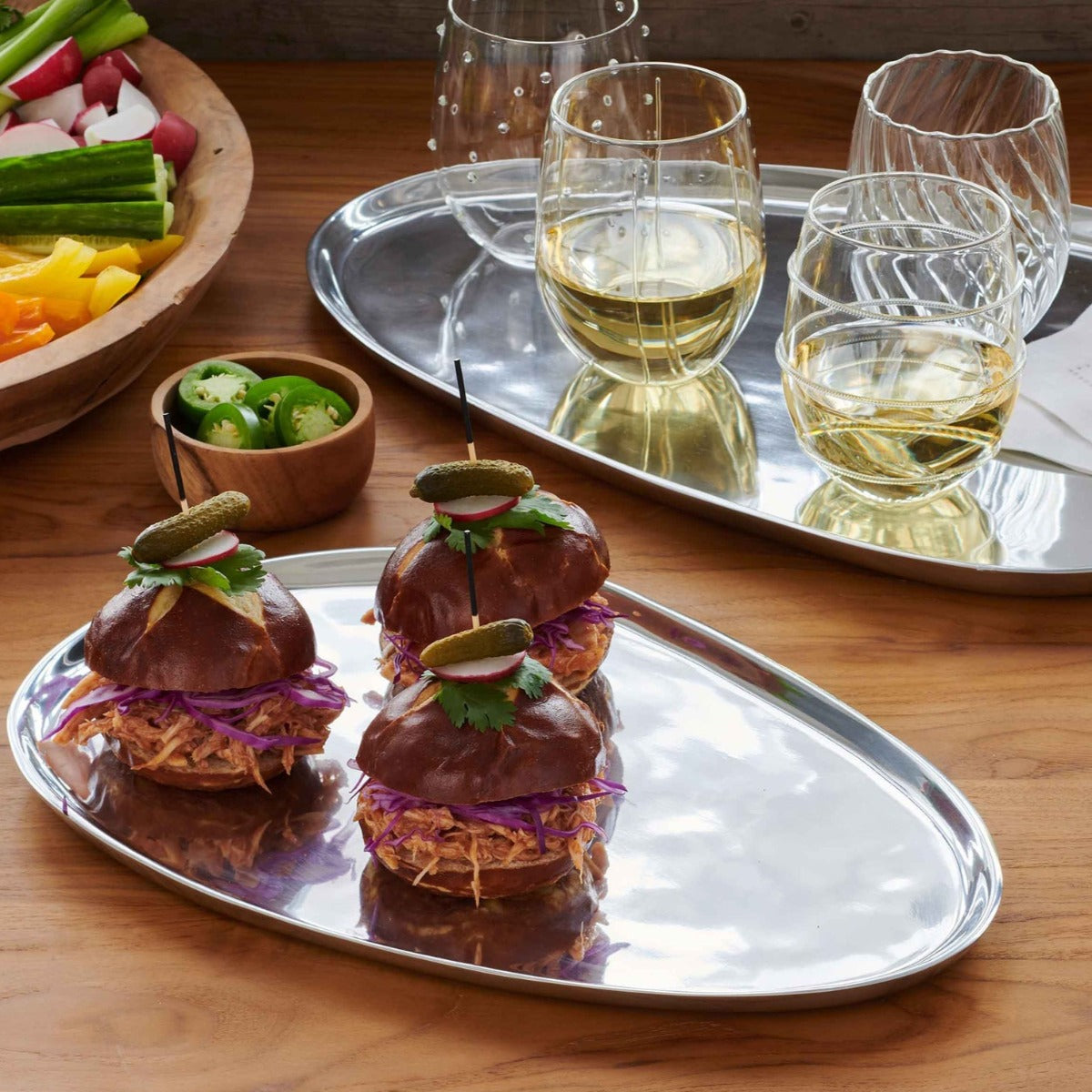
Aluminum and other finished metals create crisp edges, reflective surfaces and sculptural shapes. Use them on coffee tables, consoles, bar areas and dining surfaces where the tray itself should remain part of the display.
Family-Owned Since 1999 • Shipping Included on Orders $100+
Your Cart is Empty

Decorative Bowls & Trays
A tray or bowl can organize the little things, anchor a coffee-table arrangement or become a centerpiece in its own right. The best ones are useful when you need them and decorative even when they are empty.
Explore decorative metal trays, iron trays, wood and ceramic bowls, natural-material designs and mixed-media pieces for coffee tables, consoles, kitchen islands, dining tables and collected displays.
Before ordering: review the dimensions, material, finish, handles, care instructions and intended use shown on the individual product page. If you plan to serve food directly from a piece, confirm that it is appropriate for food service.
Style with a Purpose
A tray gives separate objects a visual boundary. Candles, books, a vase and a small sculpture can suddenly read as one intentional arrangement simply because they share the same surface.
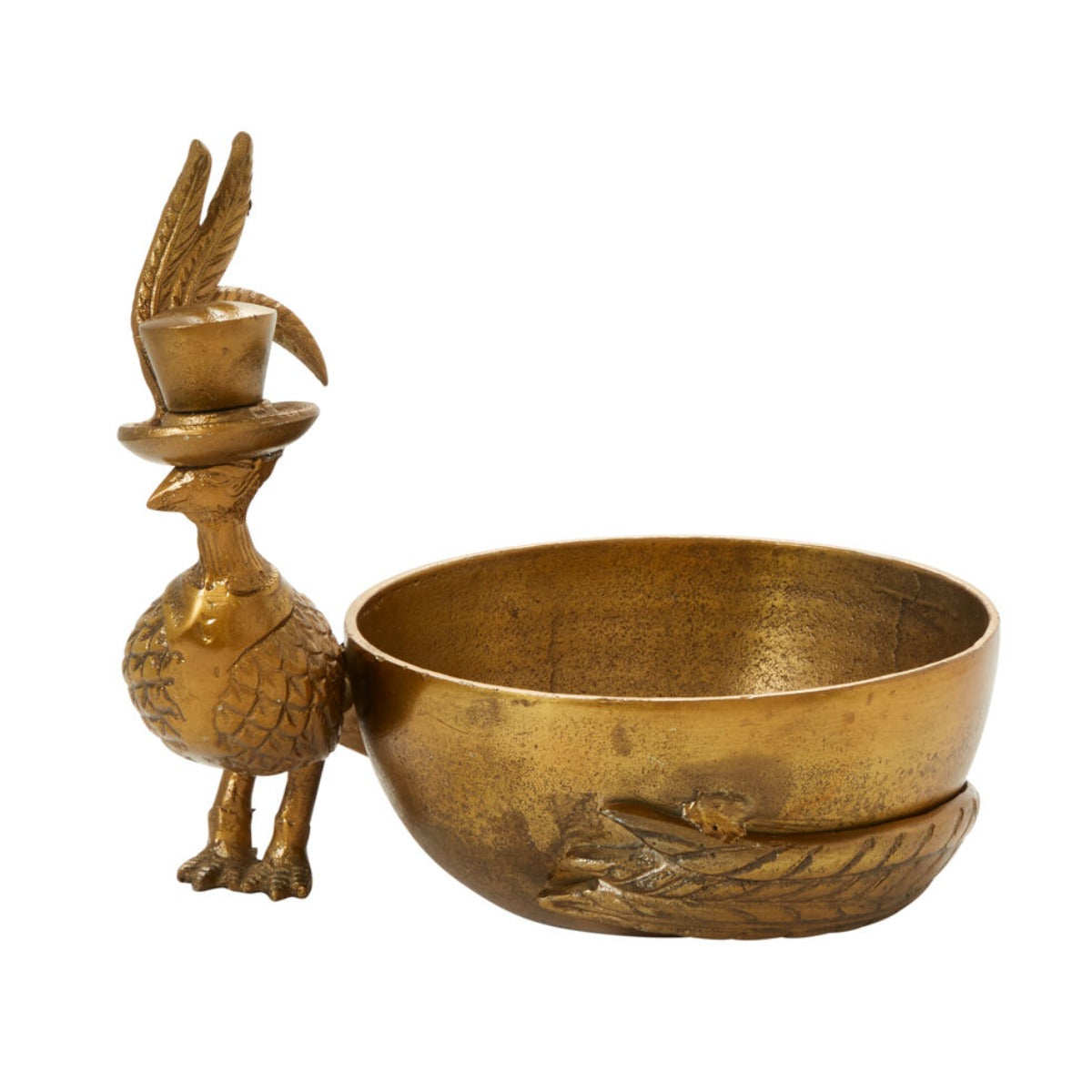
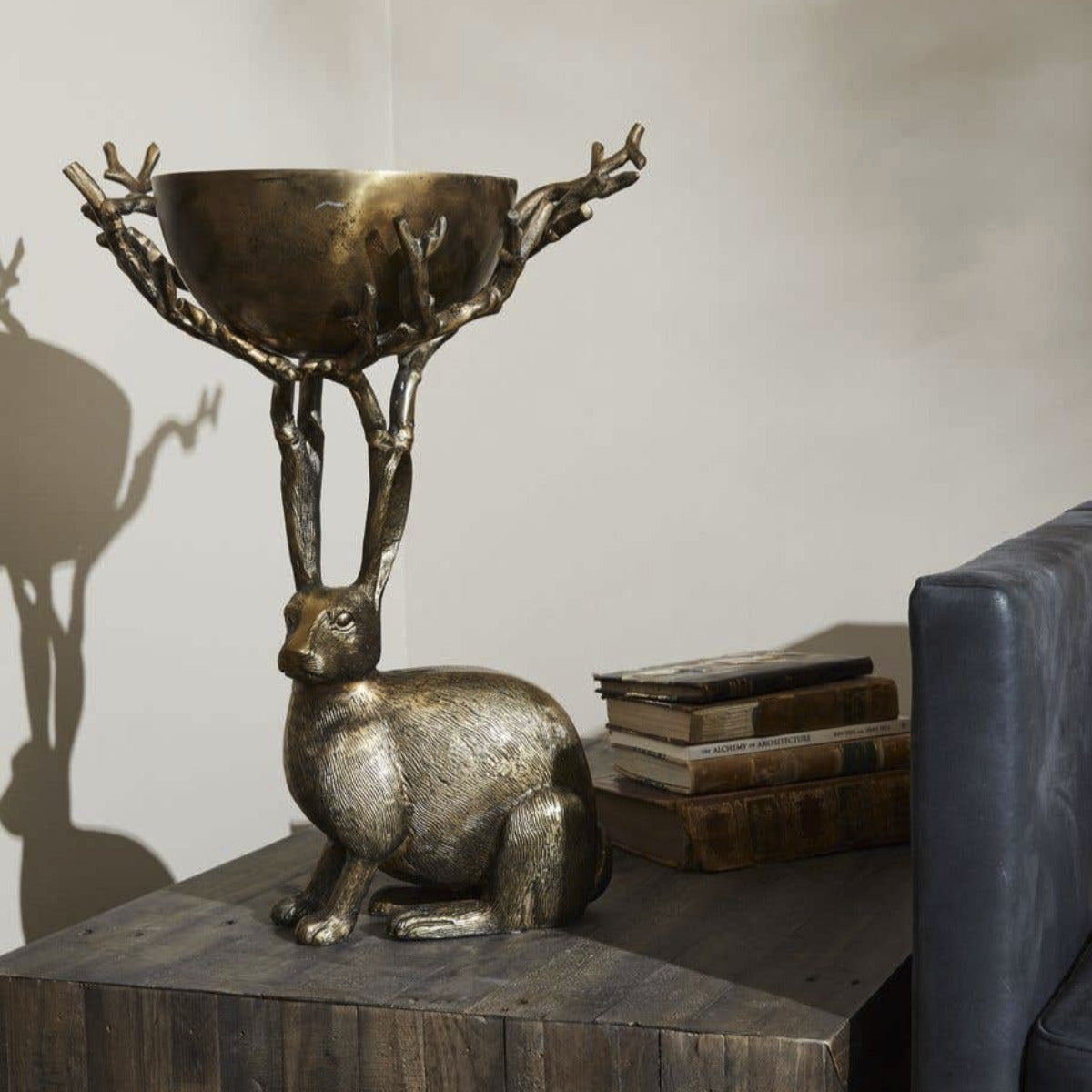
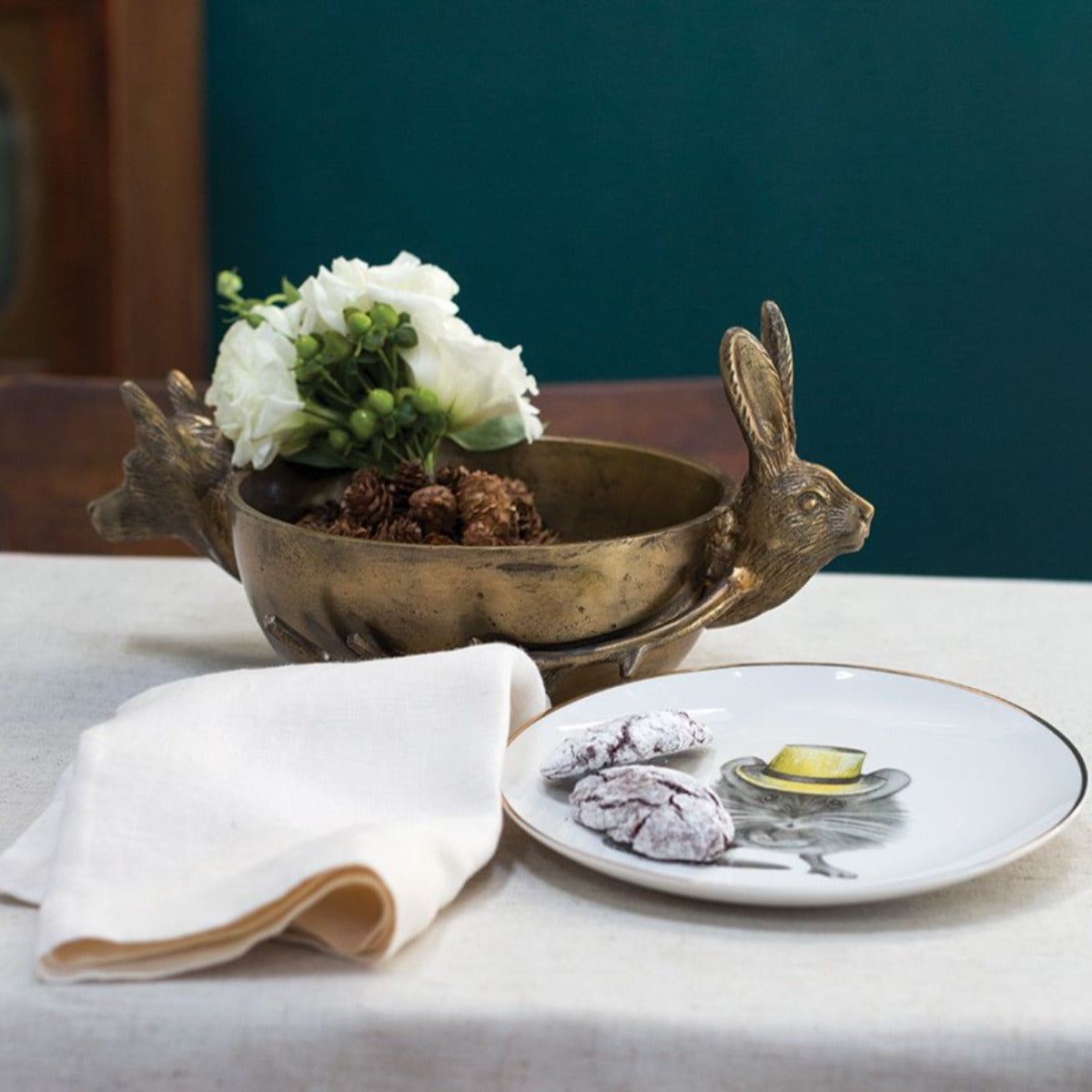
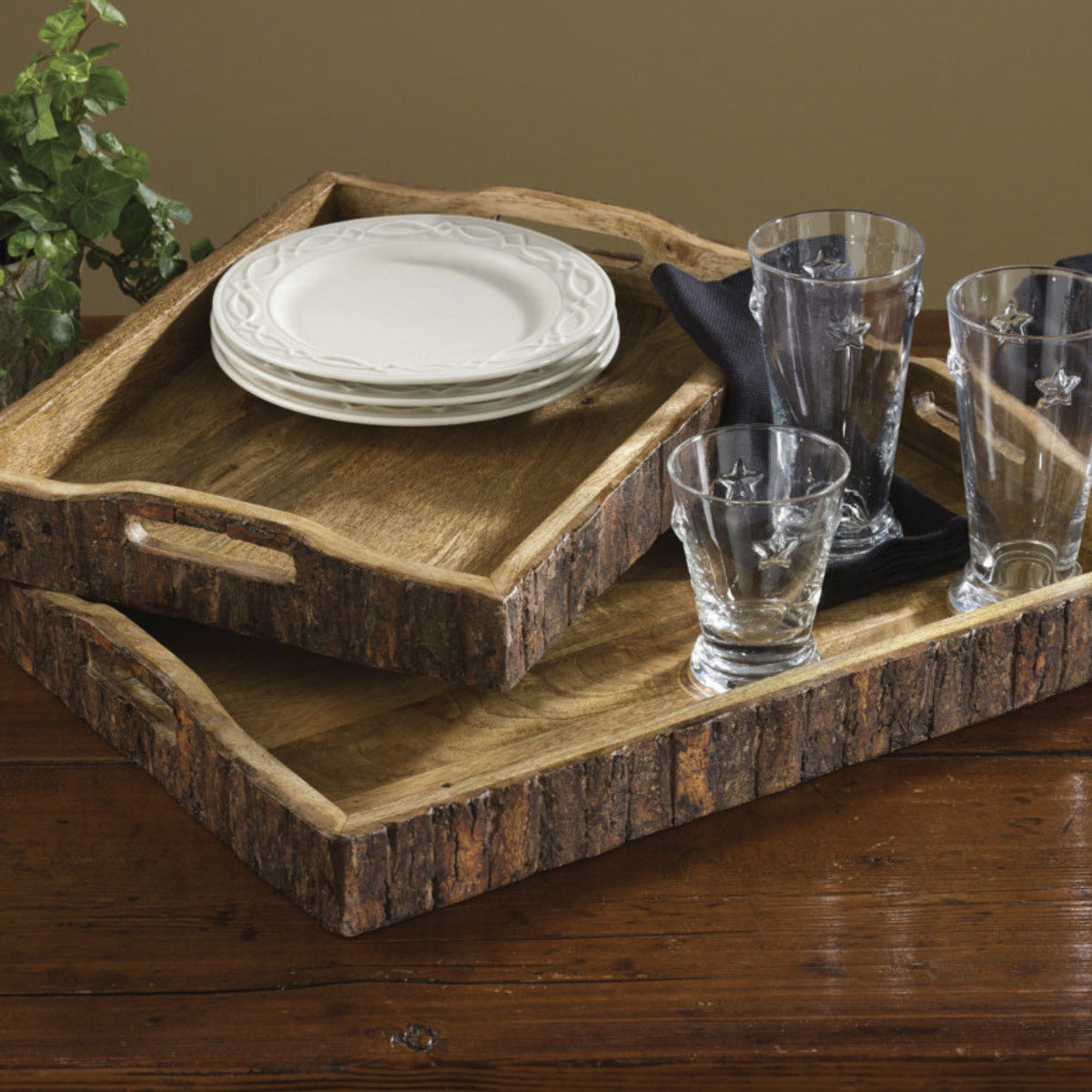
Bowls work in much the same way. A low decorative bowl can hold seasonal objects, gather everyday essentials or stand alone as a sculptural centerpiece. Materials such as iron, aluminum, teak, mango wood, ceramic, glass and rattan allow the piece itself to contribute color and texture to the room.
A Strong Material for a Small Accent
Metal trays can feel refined, rustic or architectural depending on the shape and finish, making them especially easy to layer with wood furniture, glass, ceramics and natural materials.
Aluminum and other finished metals create crisp edges, reflective surfaces and sculptural shapes. Use them on coffee tables, consoles, bar areas and dining surfaces where the tray itself should remain part of the display.
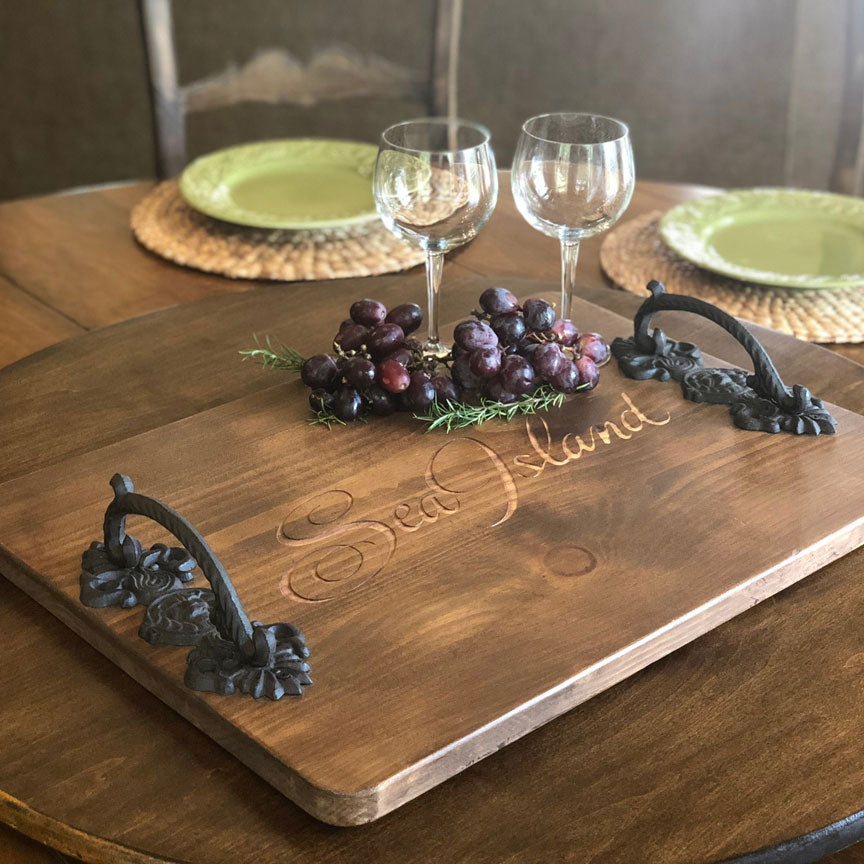
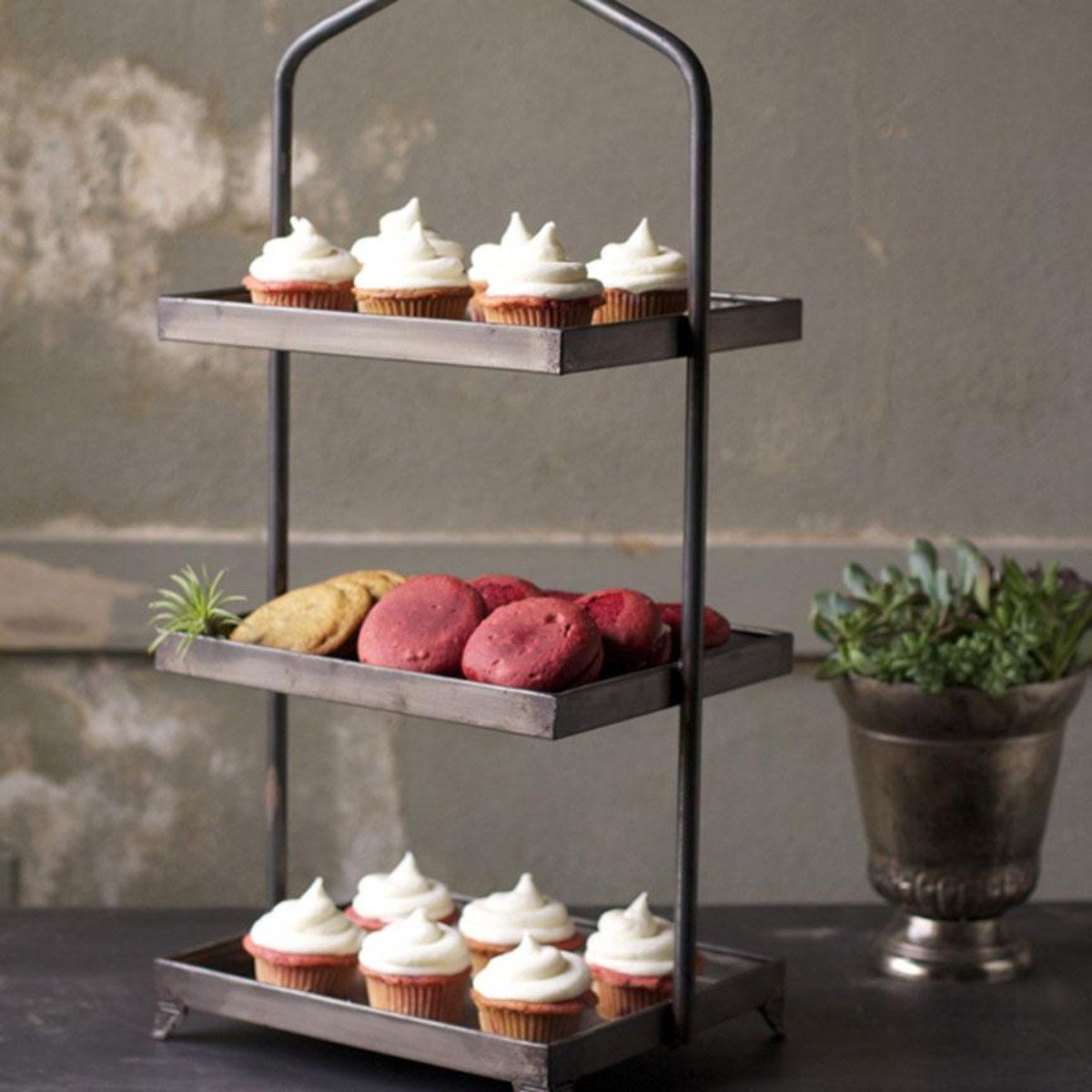
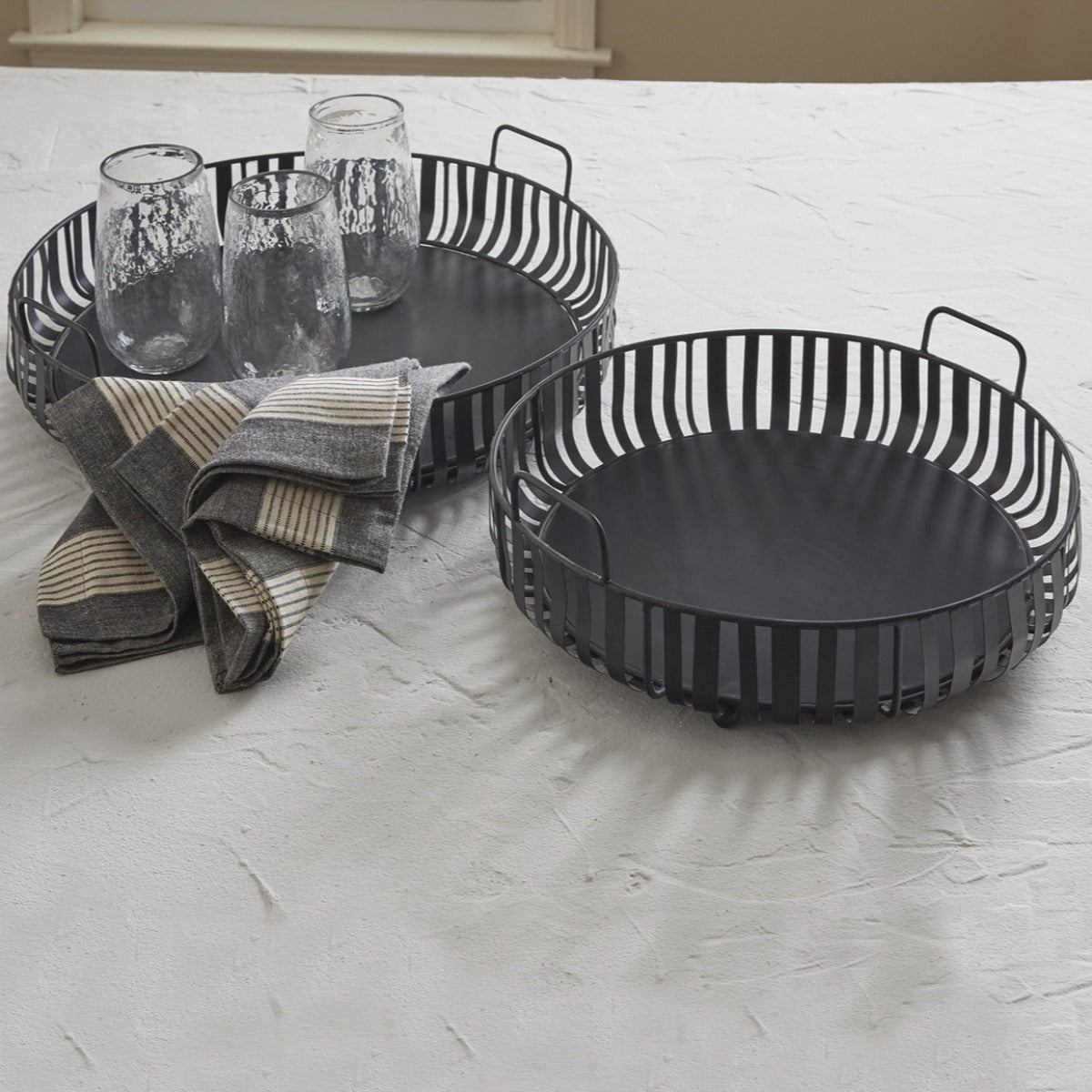
Iron trays and designs with forged or wrought-iron details can introduce darker finishes, openwork and handcrafted character. Materials vary by product, so check the specifications when true wrought or forged iron is important.
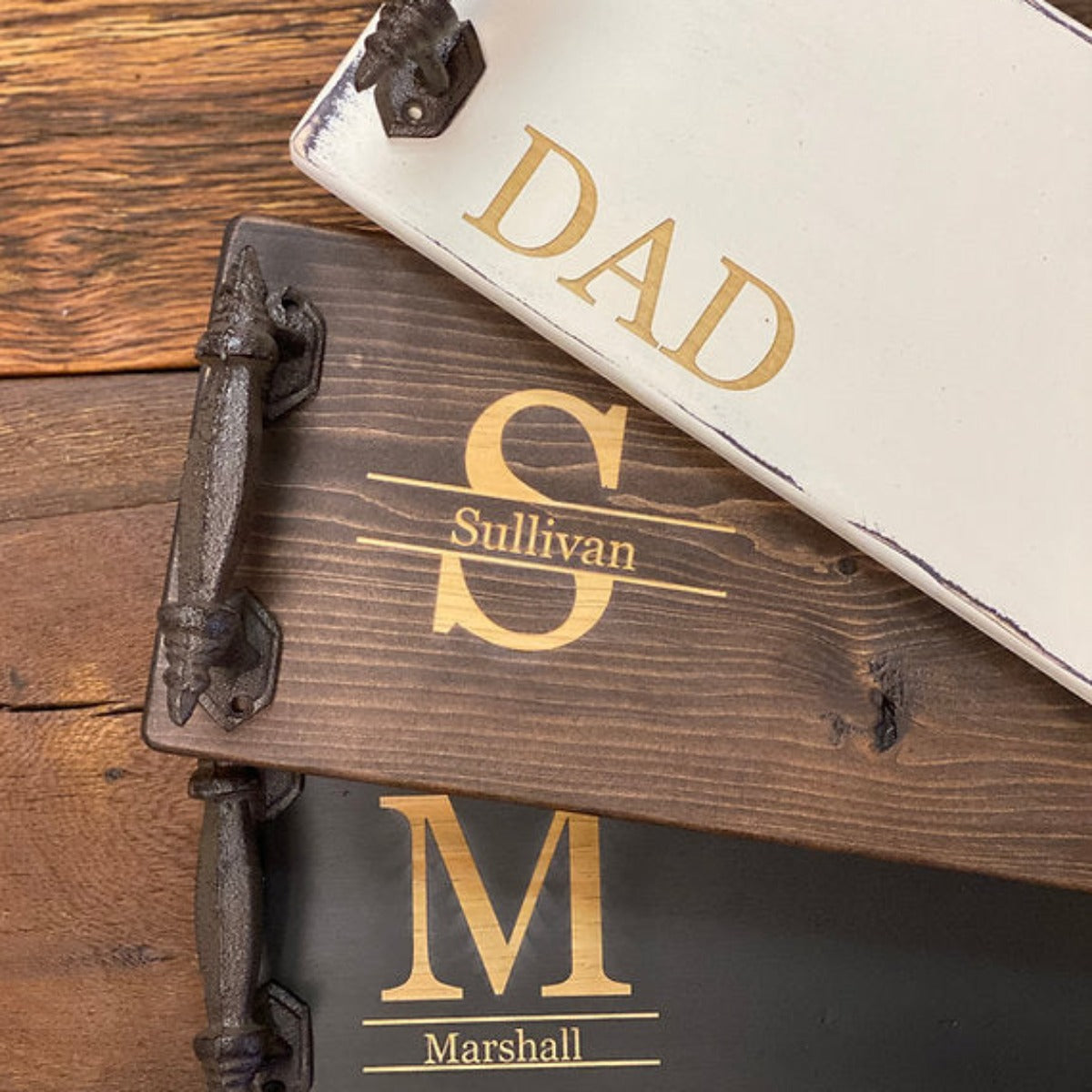
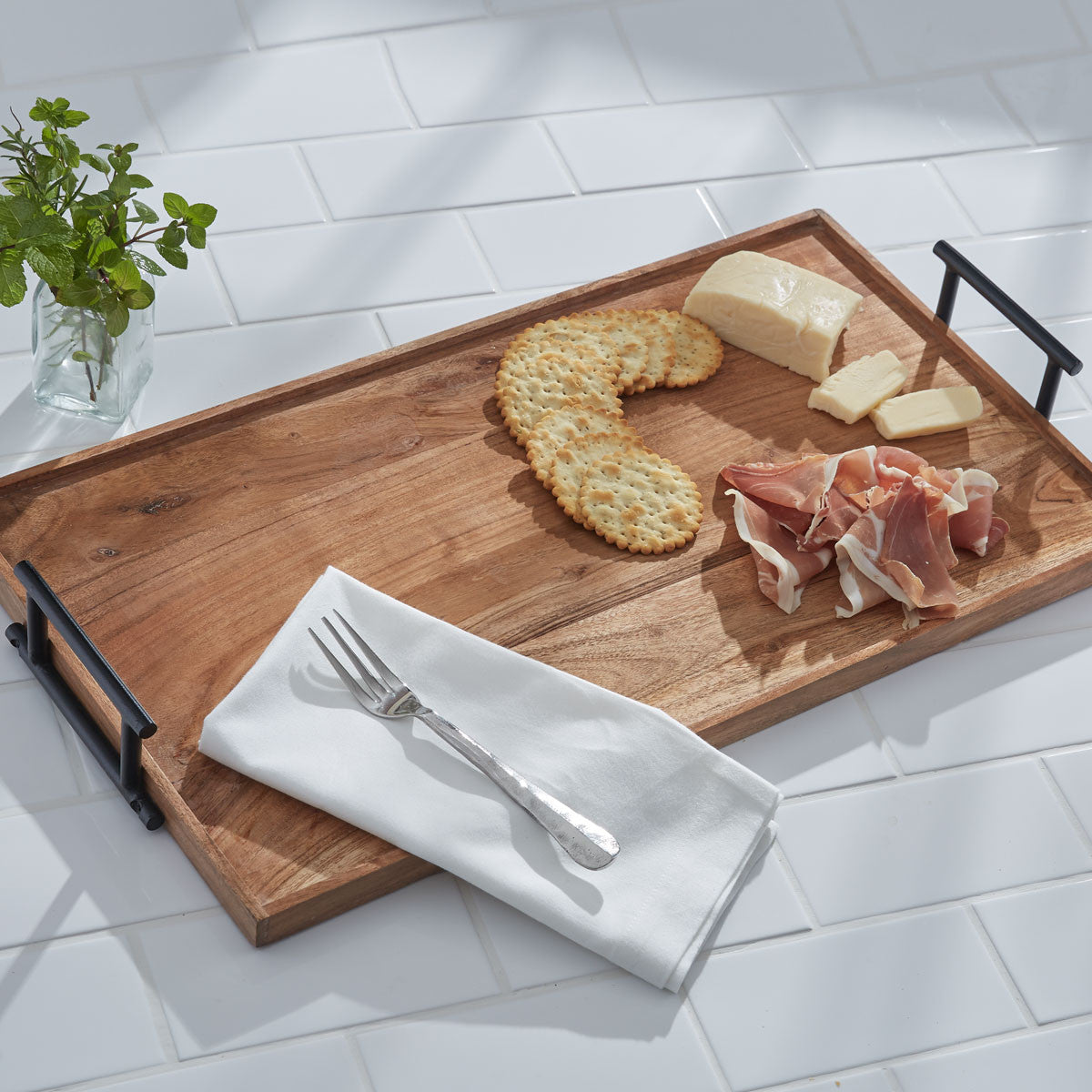
Handles can add both function and visual structure, but not every decorative handle is intended for carrying a heavily loaded tray. Review the product's intended use before treating a display piece as a serving tray.
One of the Easiest Places to Use Them
A tray can make a large horizontal surface feel composed while keeping the objects you use most often easy to move when the table needs to be cleared.
Choose a tray that leaves visible tabletop around its edges. Use it to group a candle, small vase, books, remotes or a decorative object rather than filling every inch of the surface.
A smaller decorative tray can gather keys, sunglasses and other everyday items while keeping the console from looking cluttered. A metal tray is particularly useful for adding contrast to a wood surface.
Use a broad tray or decorative bowl to establish a centerpiece that can be moved as one unit. Candles, greenery and seasonal accents can change while the tray provides a consistent foundation.
Let the Material Set the Mood
The collection intentionally mixes materials and finishes. Review each product page for its exact construction, care requirements and intended use.
Metal offers strength of shape and a wide range of finishes, from matte black and aged iron tones to polished or softly antiqued metallic surfaces.
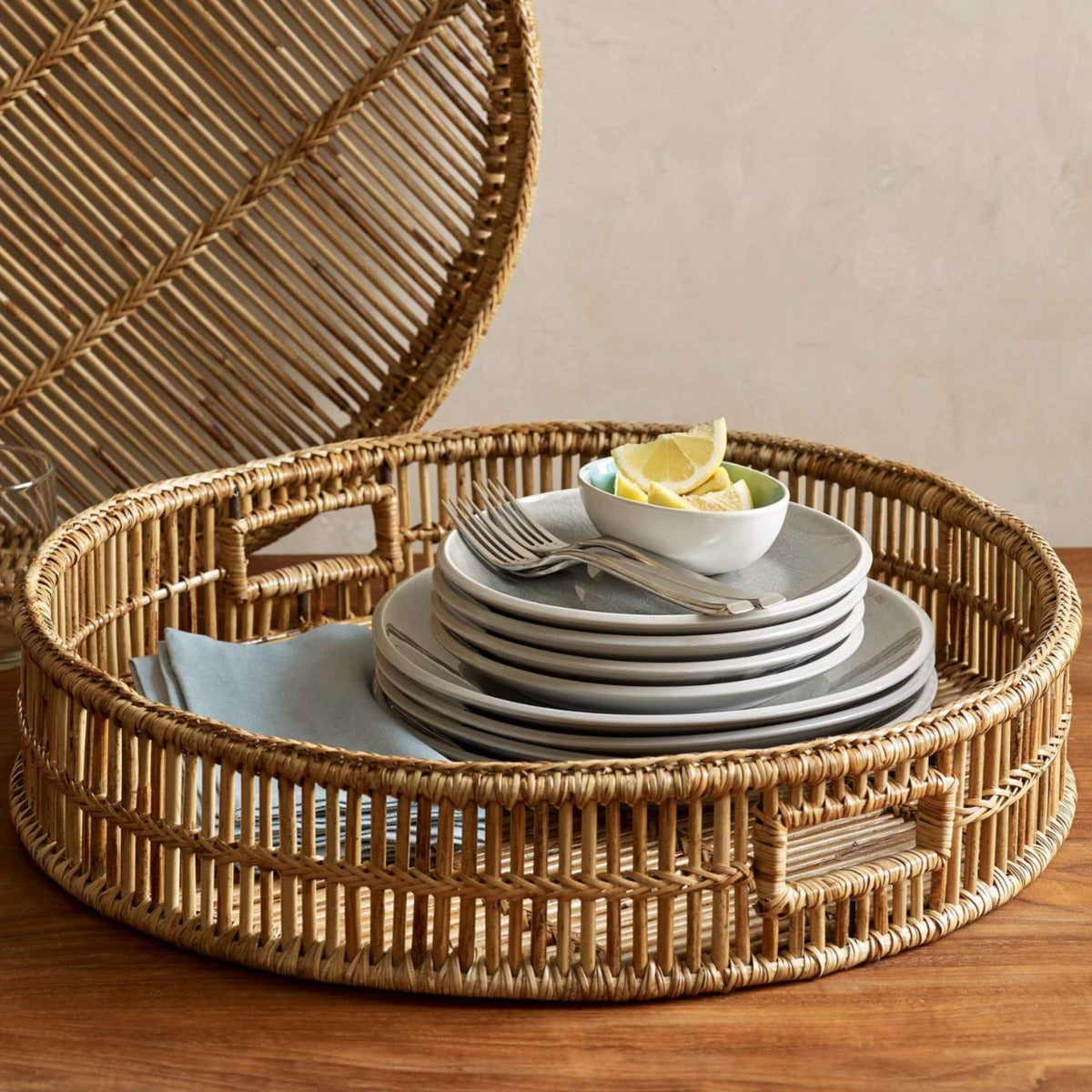
Natural grain and woven texture bring warmth to a tabletop. Handcrafted wood and rattan pieces may show individual differences in grain, color, edge and weave.
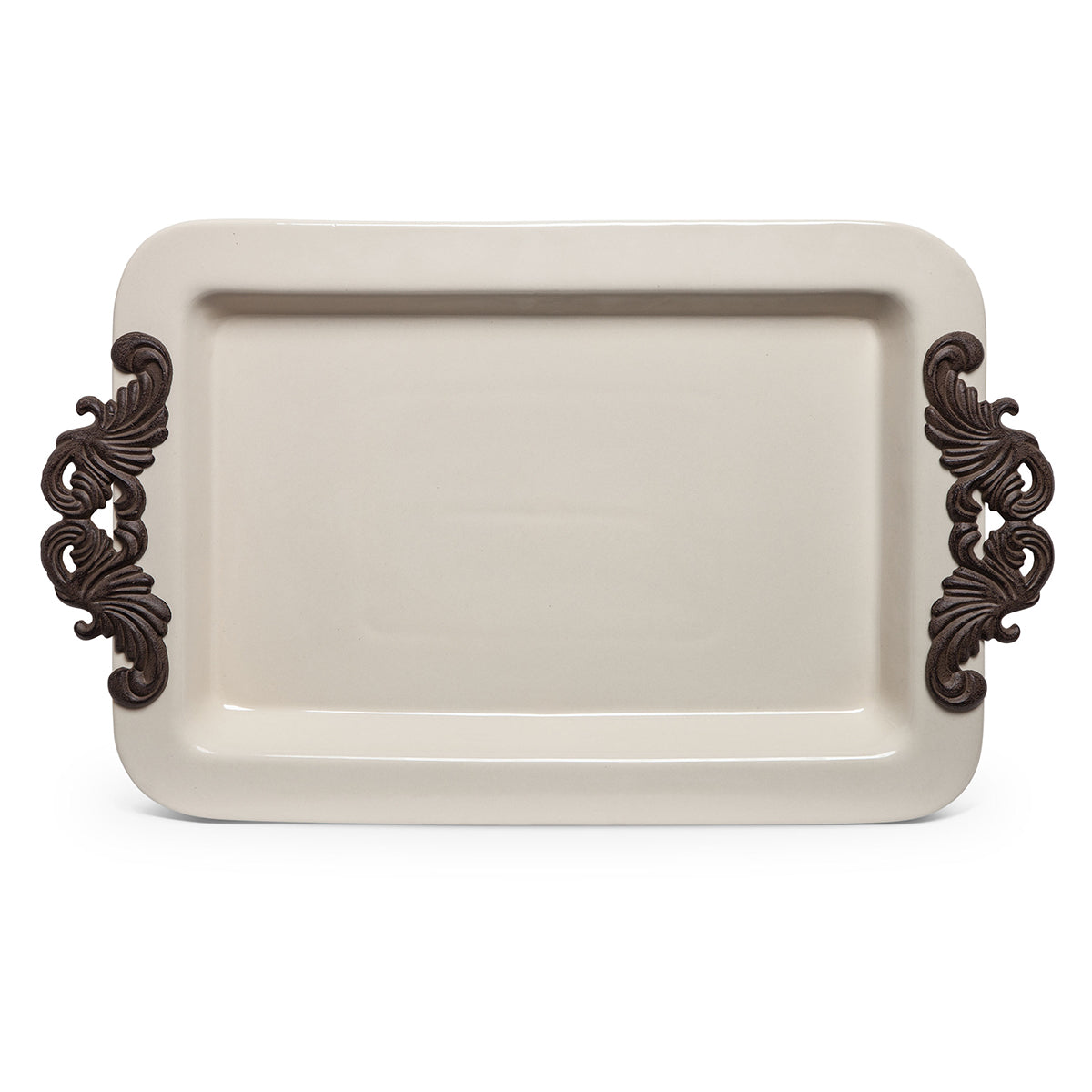
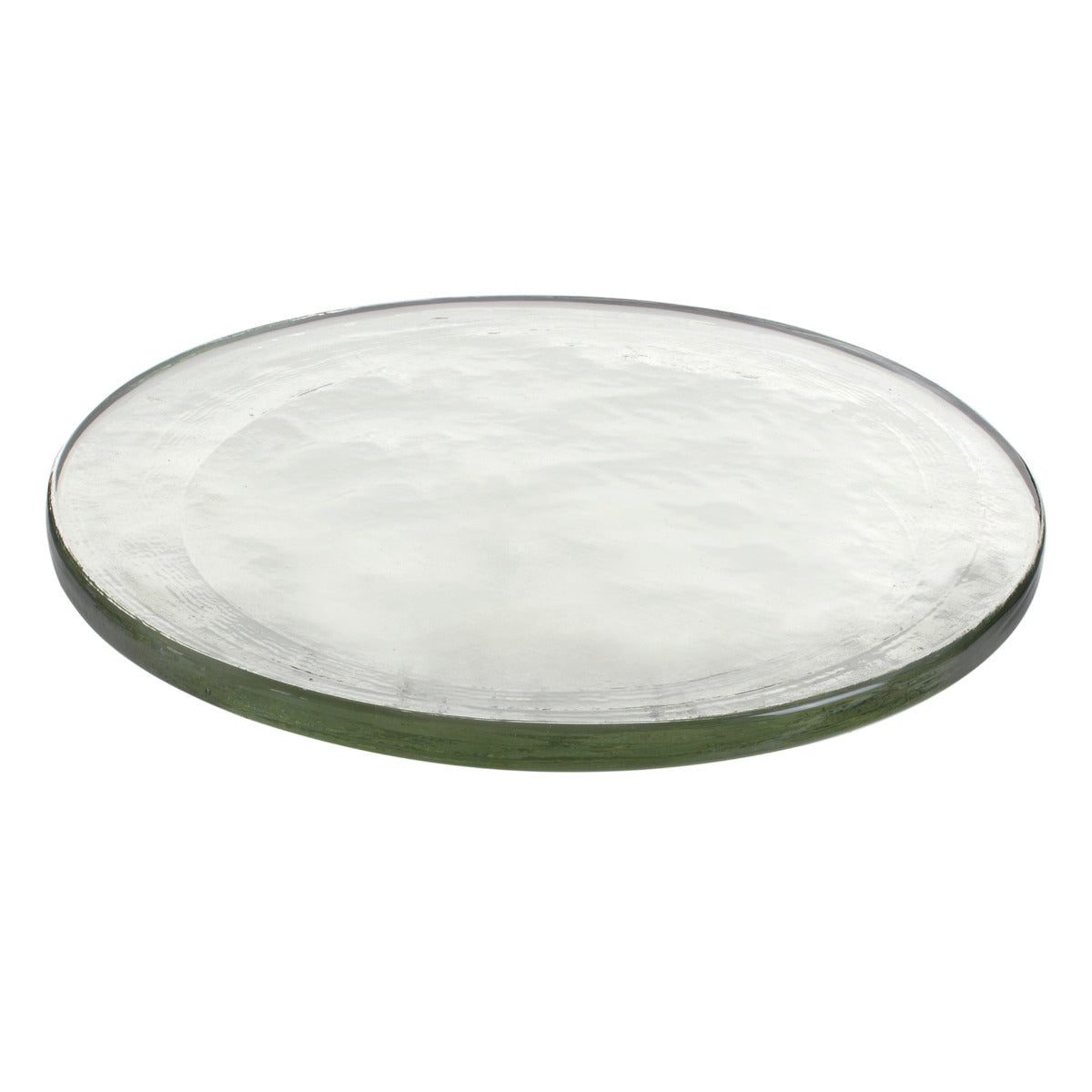
Ceramic and glass add a smoother or more reflective surface, while mixed-material designs pair wood with metal, ceramic with metalwork and other combinations for added contrast.
Looking Specifically for Serving Pieces?
Made for Passing & Sharing
If your main purpose is serving appetizers, drinks, charcuterie or other food, our Trays & Platters collection focuses more specifically on pieces selected for tabletop presentation and entertaining.
Styling Without the Clutter
Use different heights. A taller vase or candle paired with lower books and small objects gives the arrangement movement instead of creating one flat layer.
Mix textures rather than matching everything. A black metal tray can ground pale ceramics, while natural wood can soften glass or polished metallic accents.
Do not fill every inch. Leaving a portion of the tray or bowl visible helps the material, edge detail and shape remain part of the display.
Think about how easily the arrangement needs to move. Coffee-table and dining-table trays are especially useful when candles, remotes or decorative pieces need to be cleared quickly.
Round trays are usually listed by diameter, while rectangular and oval pieces may include handles within the overall dimensions. Compare the complete width, depth and height with the surface where you plan to use the piece.
Common Questions
A decorative tray may be intended mainly for display, organization or styling, while a serving tray is designed with carrying or food presentation in mind. Many pieces can do both, but always check the individual material, finish and care instructions before using a decorative piece for food service.
Yes. The assortment includes metal and iron trays along with aluminum, wood, ceramic, glass, rattan and mixed-material designs. Not every metal tray is technically wrought iron, so review the product specifications when the exact material is important.
Some are specifically finished for food service and others are intended mainly for display. Do not assume all metal trays are food safe. Check the individual product description before placing unwrapped food directly on the surface.
Choose a size that leaves enough visible tabletop around the tray so the arrangement does not feel crowded. The ideal size depends on the table shape and what you plan to keep inside it. Mark the tray dimensions with painter's tape when you are unsure.
Both can work well. Round trays soften square and rectangular furniture, while rectangular trays often follow the proportions of a console, ottoman or long coffee table more naturally. Choose the shape that creates useful contrast or balance with the furniture beneath it.
Some can and some are designed primarily as display bowls. Review the individual product's material, finish and care information to confirm whether direct food contact is appropriate.
It depends on the metal and finish. Iron and some steel products can oxidize if exposed to moisture, while aluminum behaves differently. Keep indoor decorative trays dry and follow the care instructions supplied for the individual finish.
Hand-finished metal and natural wood may show subtle variations in patina, texture, grain, color or edge detail. These differences depend on the individual product and are often part of the character of handcrafted or natural materials.
Continue Shopping

Special Savings & Exclusive Offers