Your Cart is Empty








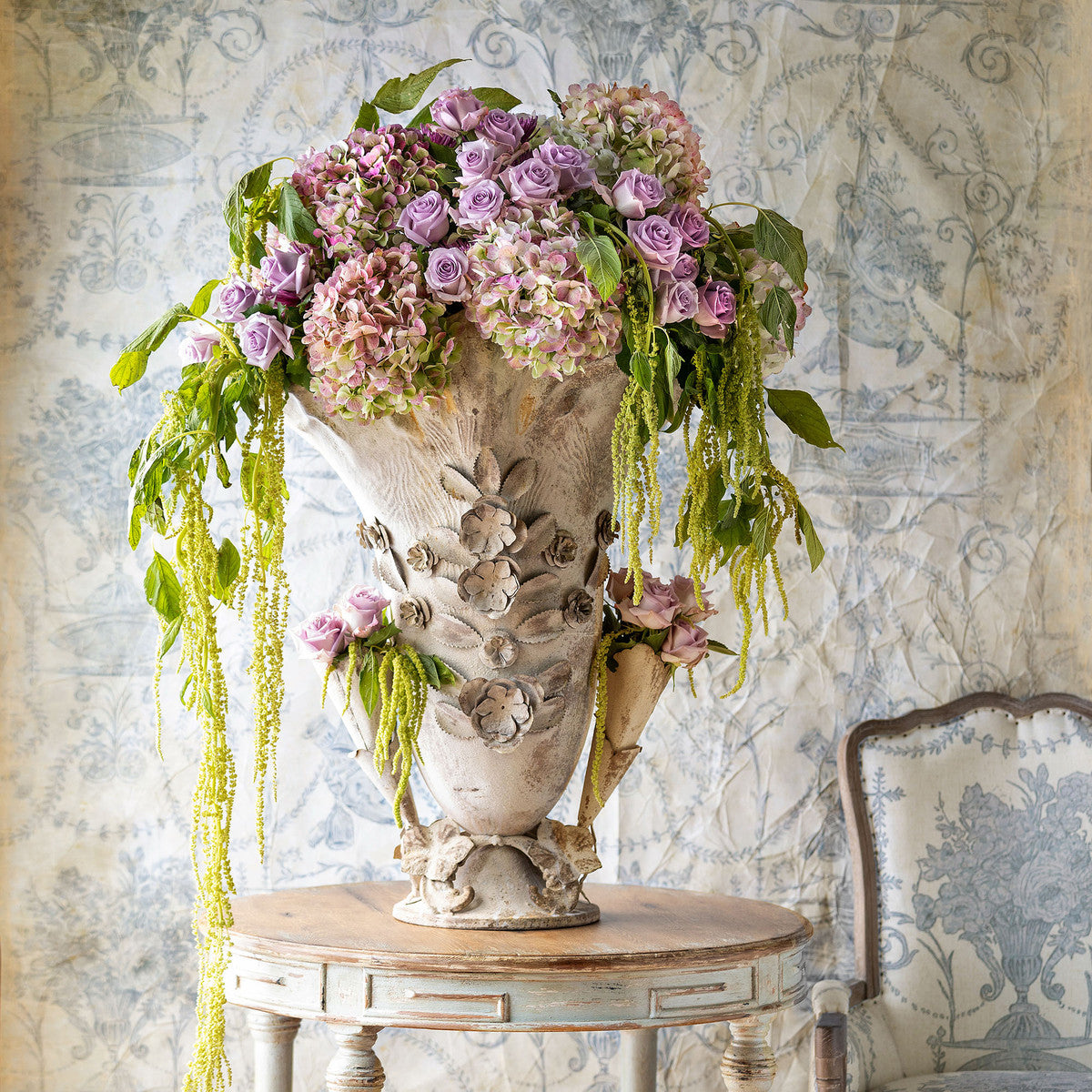


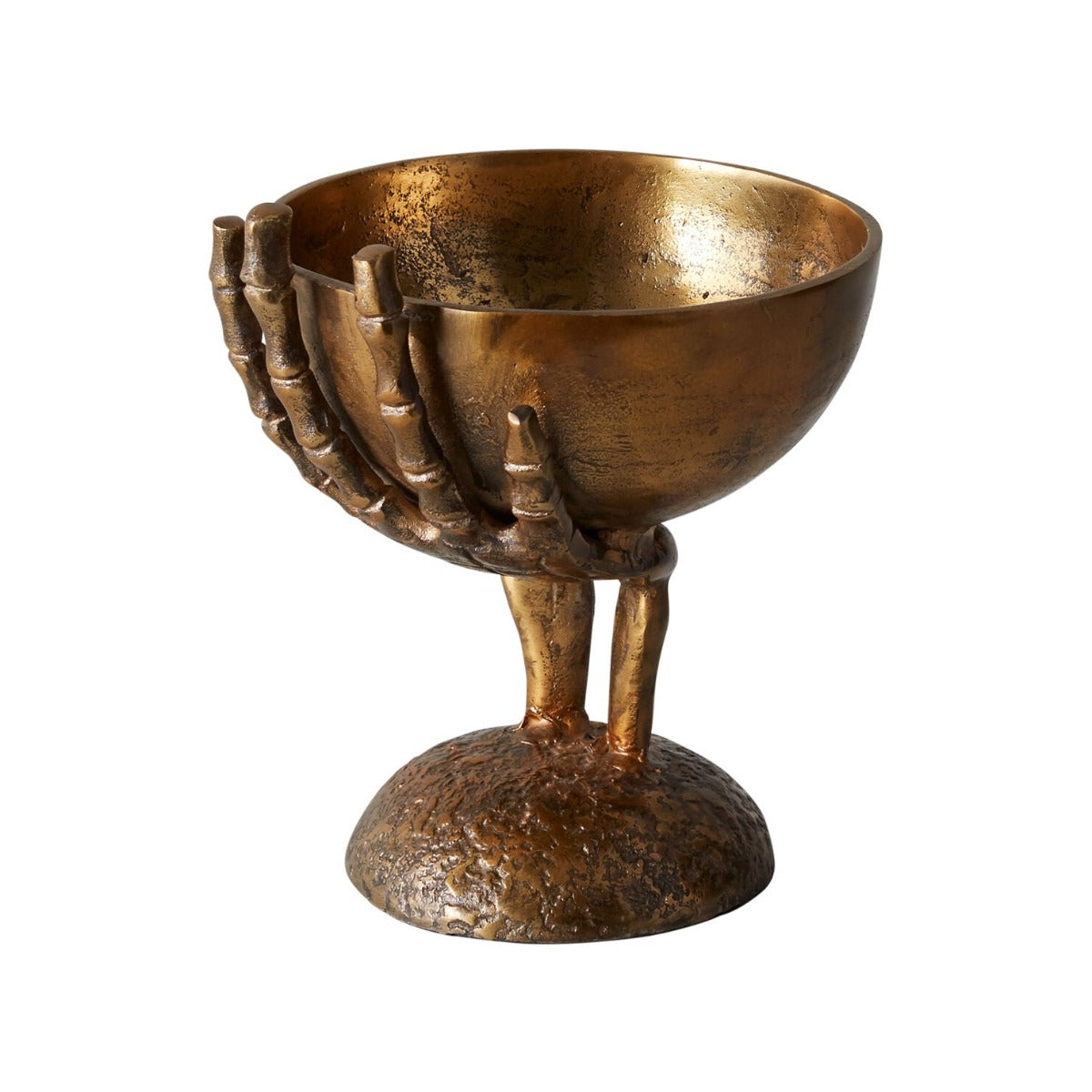


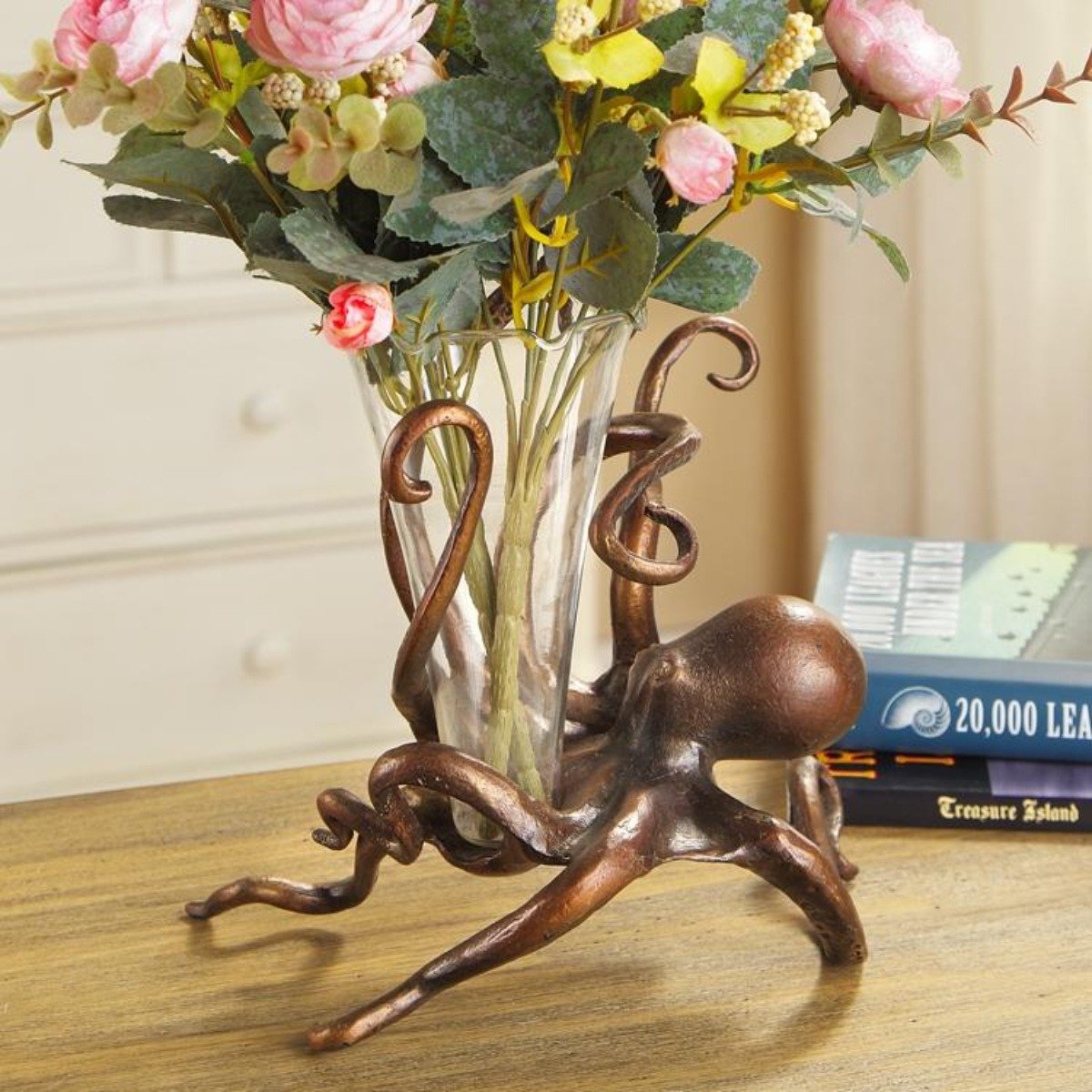


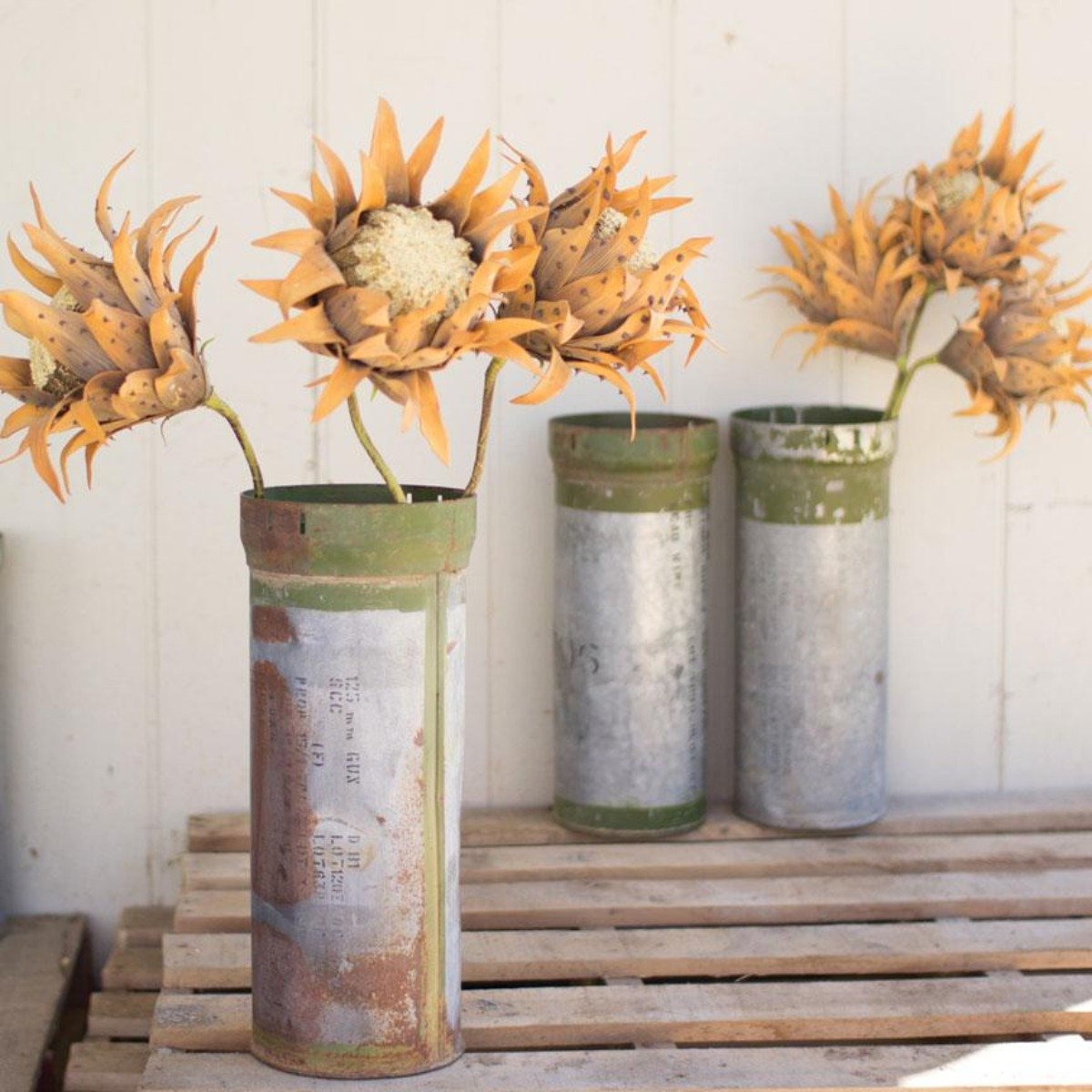


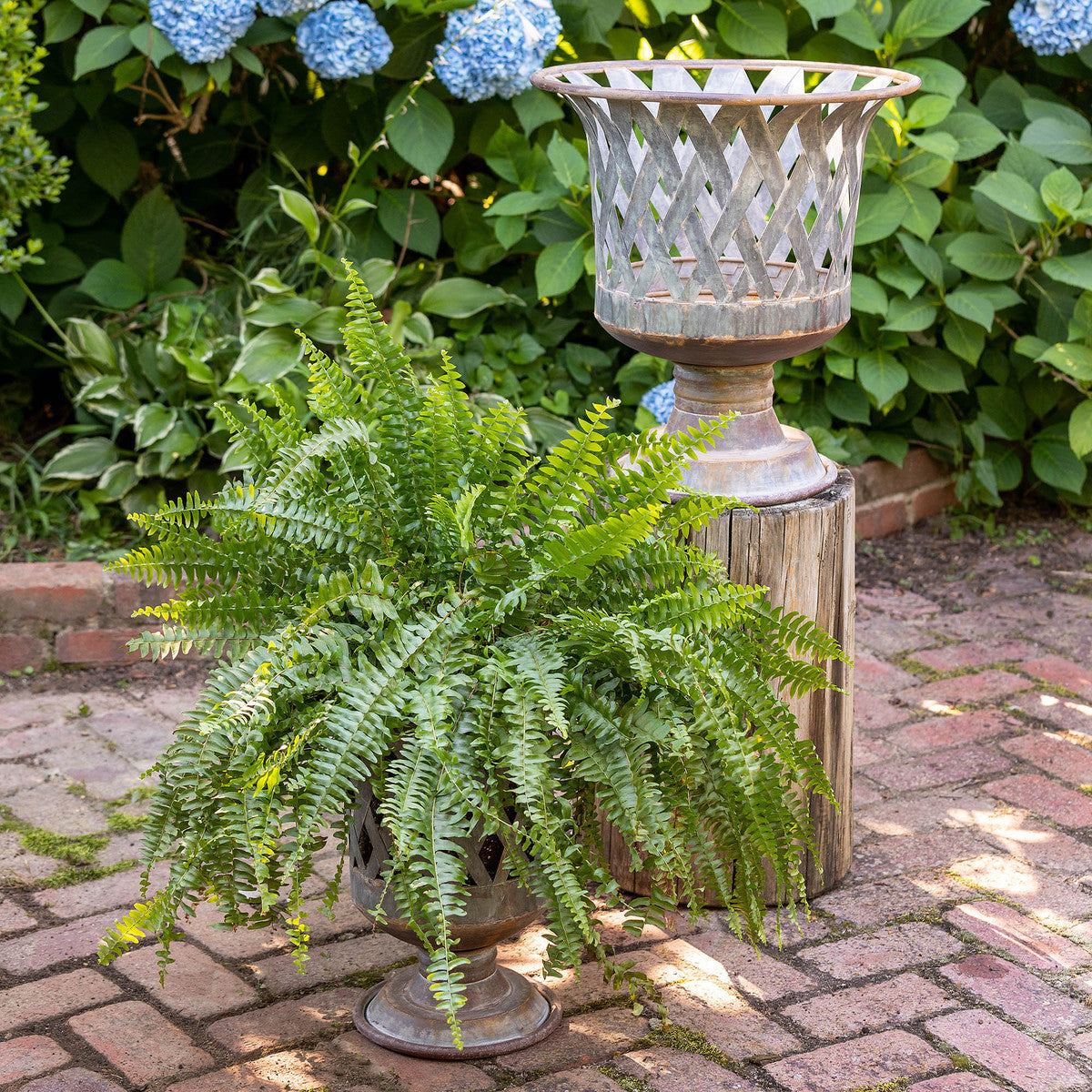




Hand-Forged Iron Vases
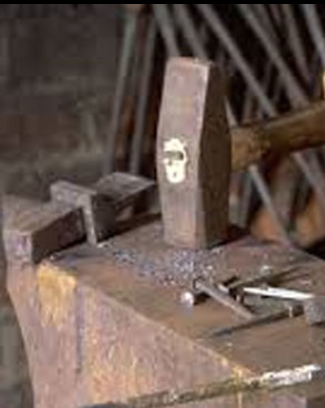
Forged iron can show hammer marks, subtle irregularities and hand-applied finishes that give a simple vase more character. Some are intended for dried botanicals or display rather than water.

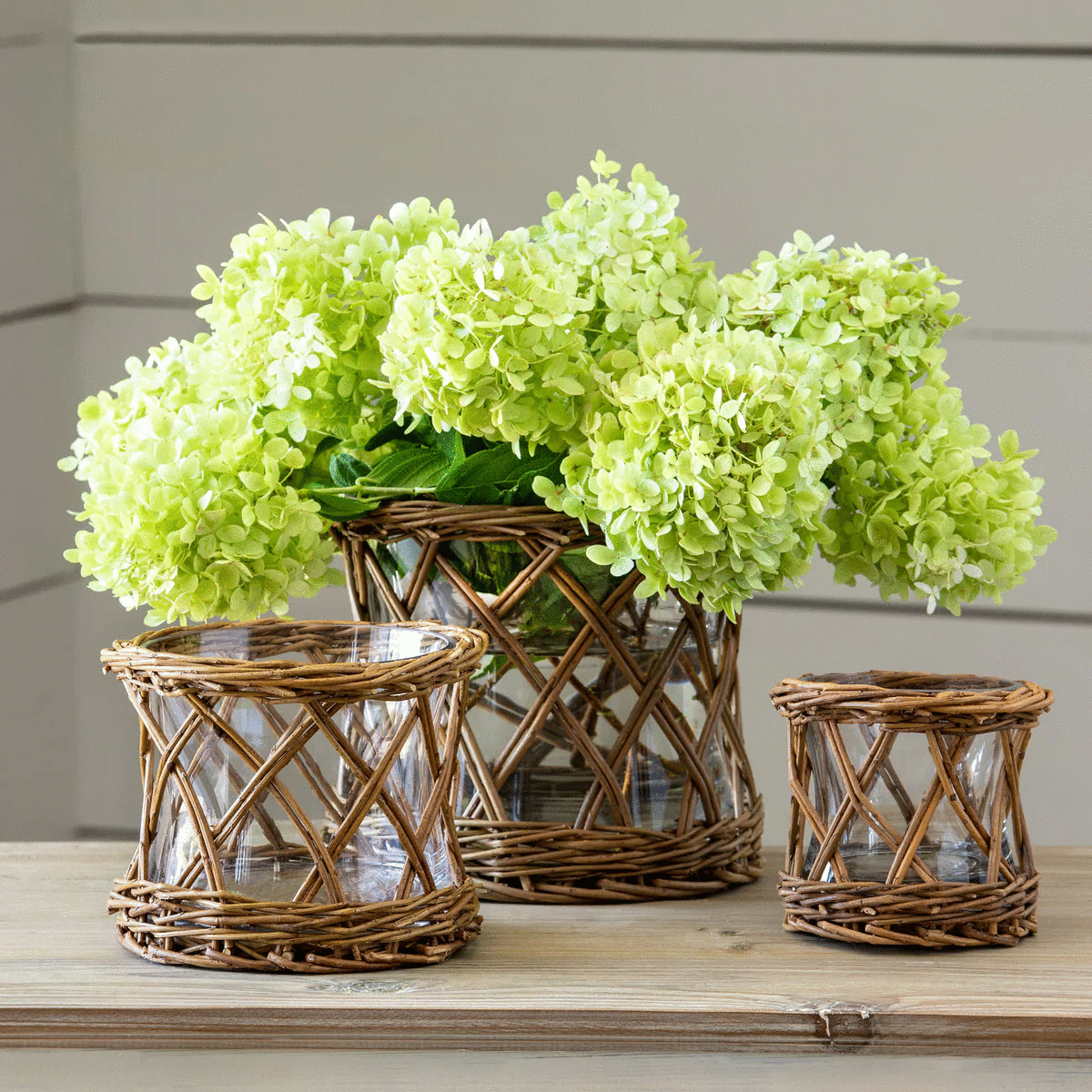
Decorative Vases & Vessels
A vase can hold a single stem, frame a dramatic branch or stand completely on its own as a sculptural object. The material and silhouette often make as much of a statement as whatever is placed inside.
Explore decorative vases, iron vases, metal vessels, glass and ceramic pieces, bud vases and decorative urns for mantels, consoles, dining tables, shelves and larger statement displays.
Before ordering: review the dimensions, opening size, material, finish and intended use shown on the individual product page. Not every decorative vessel is watertight or designed for fresh flowers, live plants or outdoor exposure.
More Than a Container
Some vases are at their best filled with stems or greenery. Others have enough shape, texture and finish to stand alone. Hammered iron, aged copper, glazed ceramic and textured glass can turn an otherwise simple vessel into a small piece of sculpture.
That versatility makes vases useful throughout the home. A slender vessel can bring height to a bookshelf, a low vase can anchor a dining-table arrangement and a larger urn can fill the visual space beside a hearth or at the end of a long console.
A Material with Presence
Iron is one of the strongest existing themes in this collection, ranging from hand-forged decorative vases to cast and metal vessels with aged or sculptural finishes.
Forged iron can show hammer marks, subtle irregularities and hand-applied finishes that give a simple vase more character. Some are intended for dried botanicals or display rather than water.
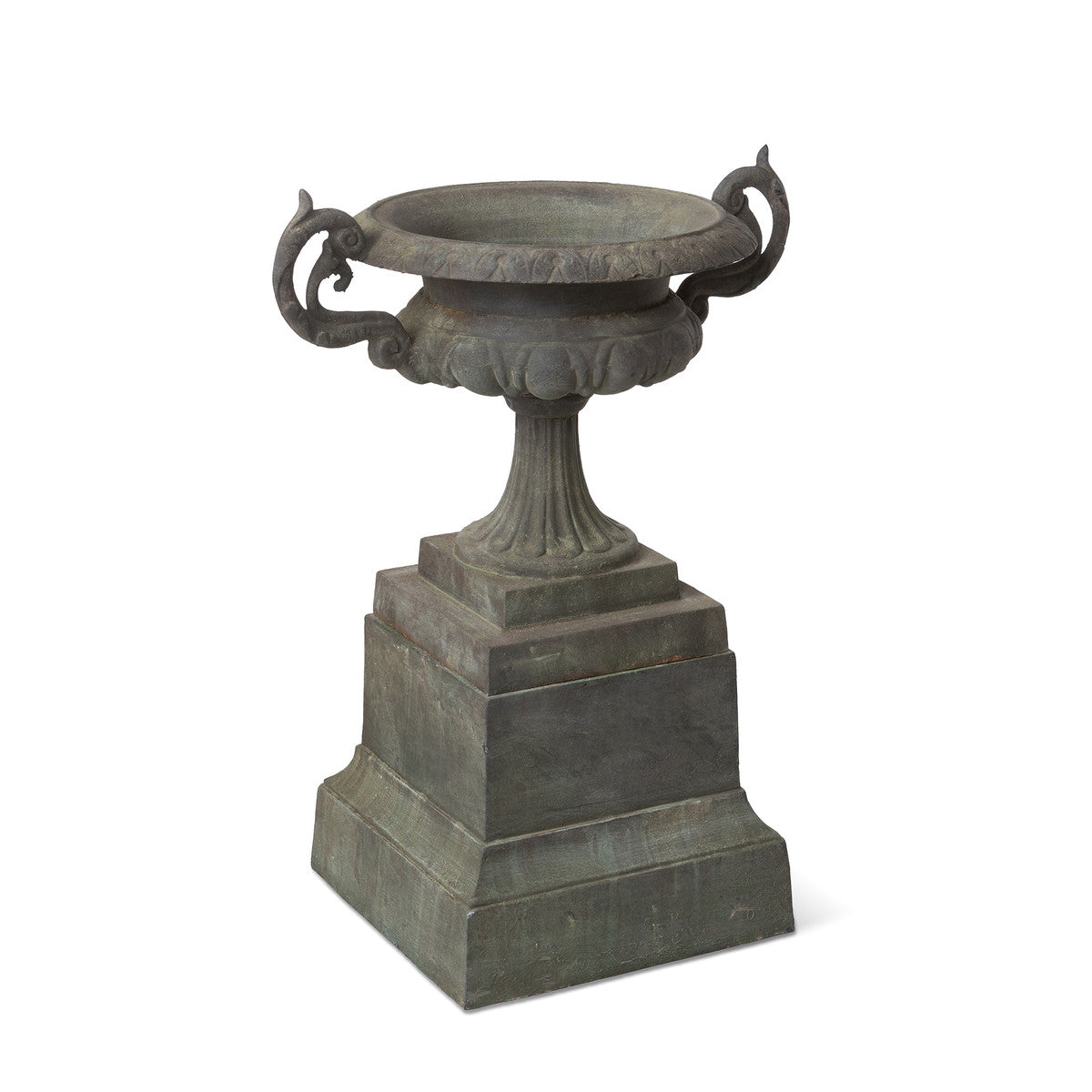
Cast iron creates substantial forms with a stronger sense of weight and permanence. Depending on the design, these pieces may function as decorative vessels, urns or architectural accents.
Combining iron, aluminum or another metal with glass allows the structural frame to become part of the design while the glass vessel provides a lighter visual contrast.
From One Stem to a Larger Statement
Size and opening shape influence both what a vessel can hold and where it works best in the room.
A narrow opening naturally supports a single stem, small branch or a few dried botanicals. Grouping several bud vases at different heights can create a larger arrangement without requiring one oversized centerpiece.
Urn-shaped vessels tend to have a fuller body and more architectural silhouette. Some include handles, pedestals or classical detailing and can serve as a strong decorative accent even when left empty.
Taller pieces can introduce vertical scale beside a fireplace, console or other substantial furniture. Check both the vessel height and the added height of branches or stems before deciding where the finished arrangement will fit.
Let the Material Do Some of the Decorating
Materials and construction vary throughout the collection. Review the individual product page for the exact material, finish, care instructions and intended use.
Iron and other metals introduce strong silhouettes and finishes ranging from natural black and aged rust tones to copper, painted surfaces and warmer metallic patinas.
Clear and textured glass keeps the arrangement visually lighter and allows stems or water to become part of the display when the individual vessel is designed to hold liquids.
Ceramic brings color, glaze and sculptural texture, while mixed-material vessels can combine glass, iron, aluminum, wood or other elements for additional contrast.
Choose the Vessel for the Arrangement
For fresh flowers, choose a vessel that is specifically suitable for water and whose opening supports the amount and type of stems you plan to use.
For dried grasses and branches, a heavier or taller vessel can help balance the added height. Dry arrangements are also a good option for decorative iron vases that are not intended to hold water.
For faux greenery, use the same proportion and scale considerations as natural stems. A narrow vase may need fewer branches, while a broad urn can support a fuller arrangement.
For an empty display, choose a vessel with an interesting silhouette, surface or finish. Sculptural vases often need nothing inside them to contribute to the room.
Some metal and handcrafted pieces are intended specifically for dried stems or decorative use. Others may require a liner. Check the individual product description before adding water, soil or a live plant.
Shopping for the Porch or Garden?
Made for Plants & Outdoor Spaces
Some urn-shaped pieces are made specifically as outdoor planters, while many decorative vases in this collection are intended for indoor display. If the goal is a live plant beside the front door or on the patio, begin with our Garden Planters collection.
Styling the Display
Two or three vessels with related materials but different heights can create an easy layered composition. Keep enough space between them for each silhouette to remain visible.
A tall vase can add needed height to a long console, while a low vessel may be better for a dining table where conversation and sight lines need to remain open.
An unusual iron vase, glazed ceramic vessel or decorative urn may be more effective without a grouping. A strong silhouette often needs only open space around it to make an impression.
Common Questions
The terms overlap, but a vase is generally associated with displaying flowers or stems, while an urn often has a fuller, more classical or architectural shape and may include handles, a pedestal or a lid. Decorative-product naming varies, so the individual item's dimensions and intended use are more important than the name alone.
Yes. The assortment includes hand-forged and cast-iron pieces along with aluminum, copper, glass, ceramic and other metal vessels. Not every metal vase is technically wrought iron, so check the individual specifications when the exact material is important.
Not always. Some decorative iron vases are intended specifically for dried botanicals or sculptural display rather than water. Review the individual product description for watertightness or liner requirements before using fresh flowers.
A bud vase is a smaller vessel with a relatively narrow opening, typically used for one stem or a very small arrangement. Bud vases can be displayed individually or grouped at varying heights for a more substantial centerpiece.
Look for sufficient height, base stability and an opening that supports the branches without crowding them. Consider the total height of the vessel plus the arrangement so it does not interfere with lighting, artwork, ceiling height or sight lines.
Only when the individual piece is intended for exterior use. Decorative indoor urns may have materials or finishes that should not be exposed to weather. For porch planting, look specifically at outdoor planters and check drainage and care information.
Absolutely. A vase with an interesting silhouette, hand-forged texture, glaze, patina or sculptural detail can function as a decorative object without flowers or greenery.
Hand-forged, hand-finished, glazed and naturally patinated pieces may show subtle differences in texture, color, surface detail and finish. The amount of variation depends on the individual material and manufacturing process.
Continue Decorating