Your Cart is Empty





















Relate the Table to the Sofa
A useful starting point is a table approximately one-half to two-thirds the sofa’s length. The room, sectional layout and nearby chairs may call for a different proportion.

Coffee & Cocktail Tables
The coffee table is where a seating area begins to feel complete—the place where books gather, morning coffee settles in, board games unfold and evening cocktails linger a little longer.
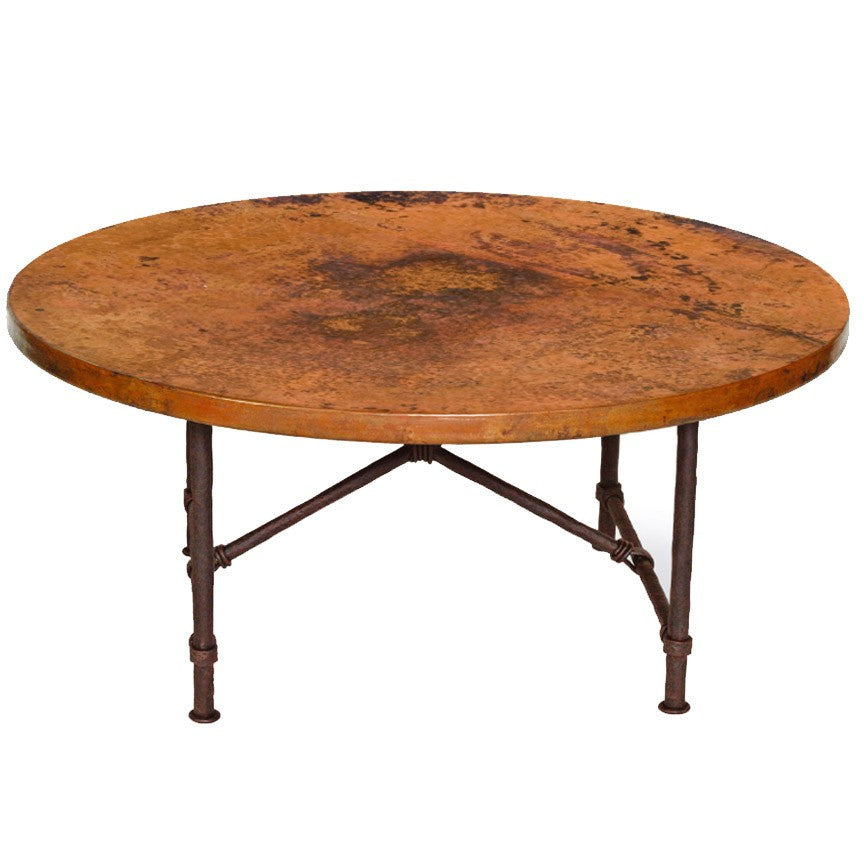
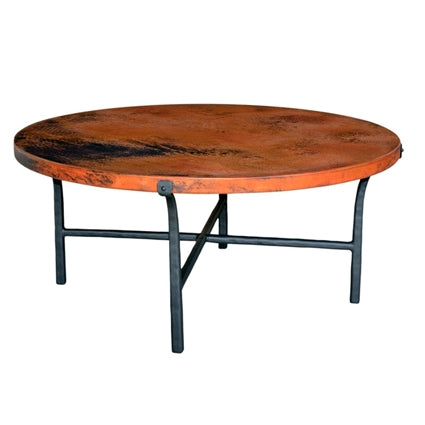
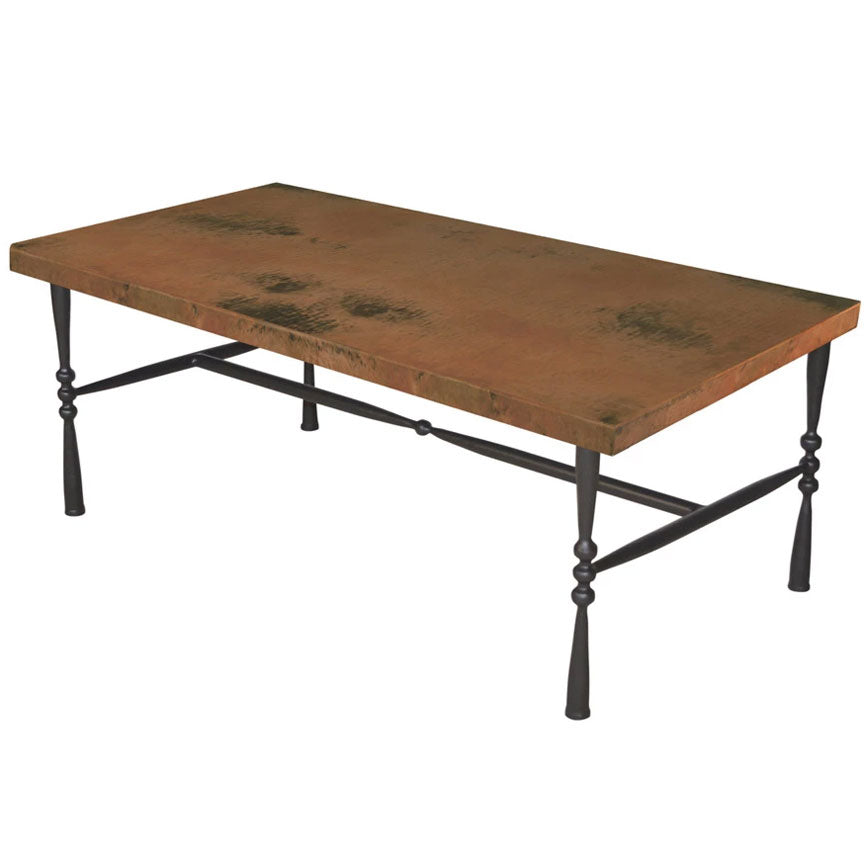
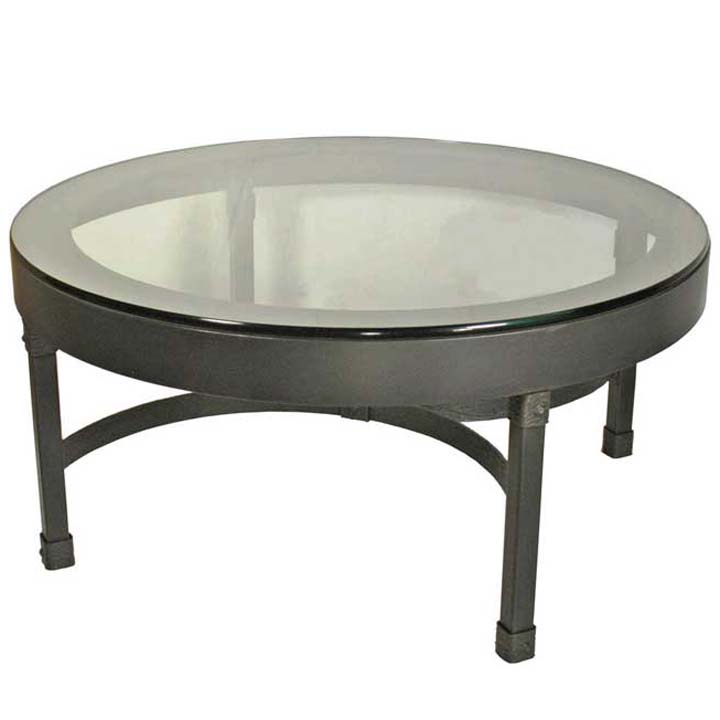
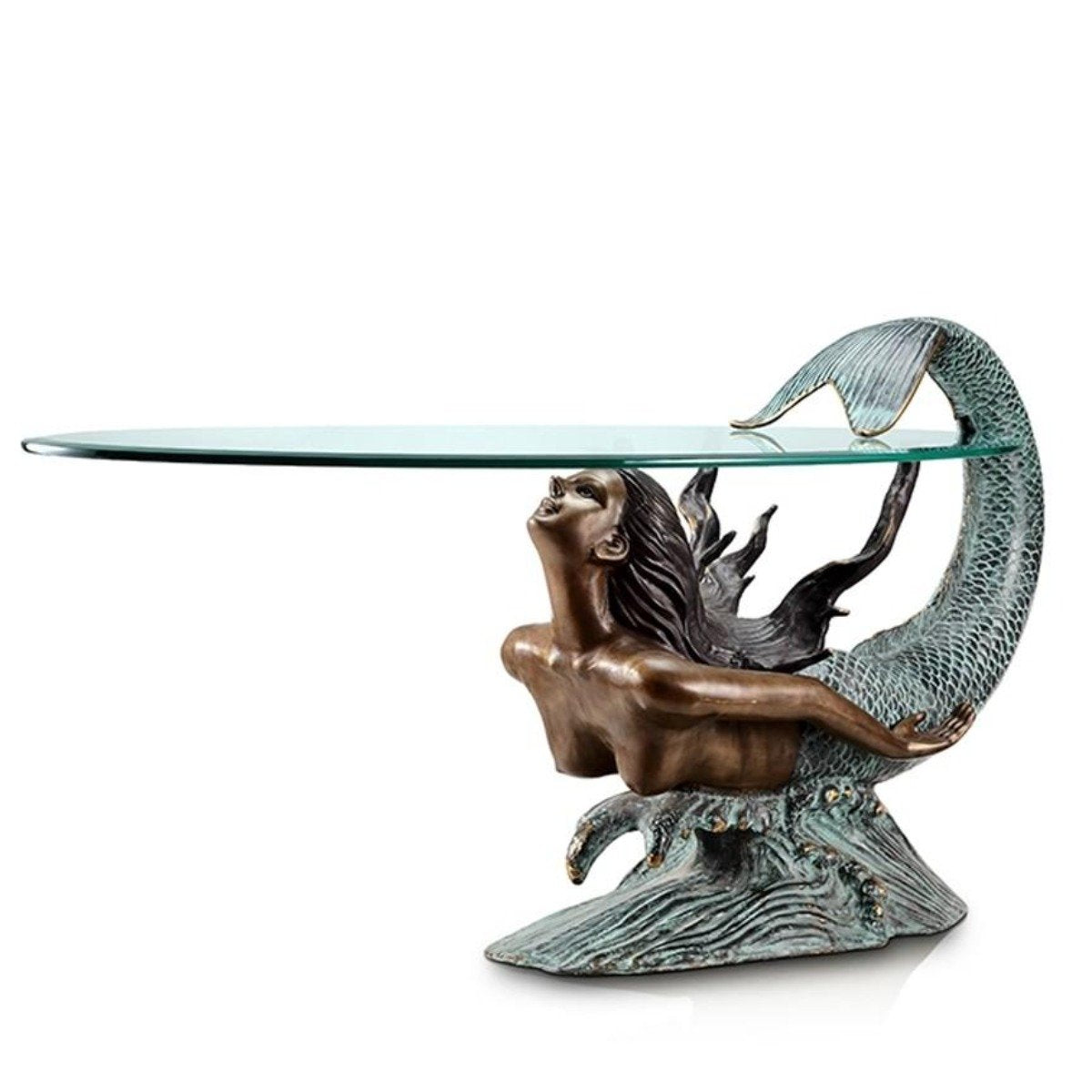
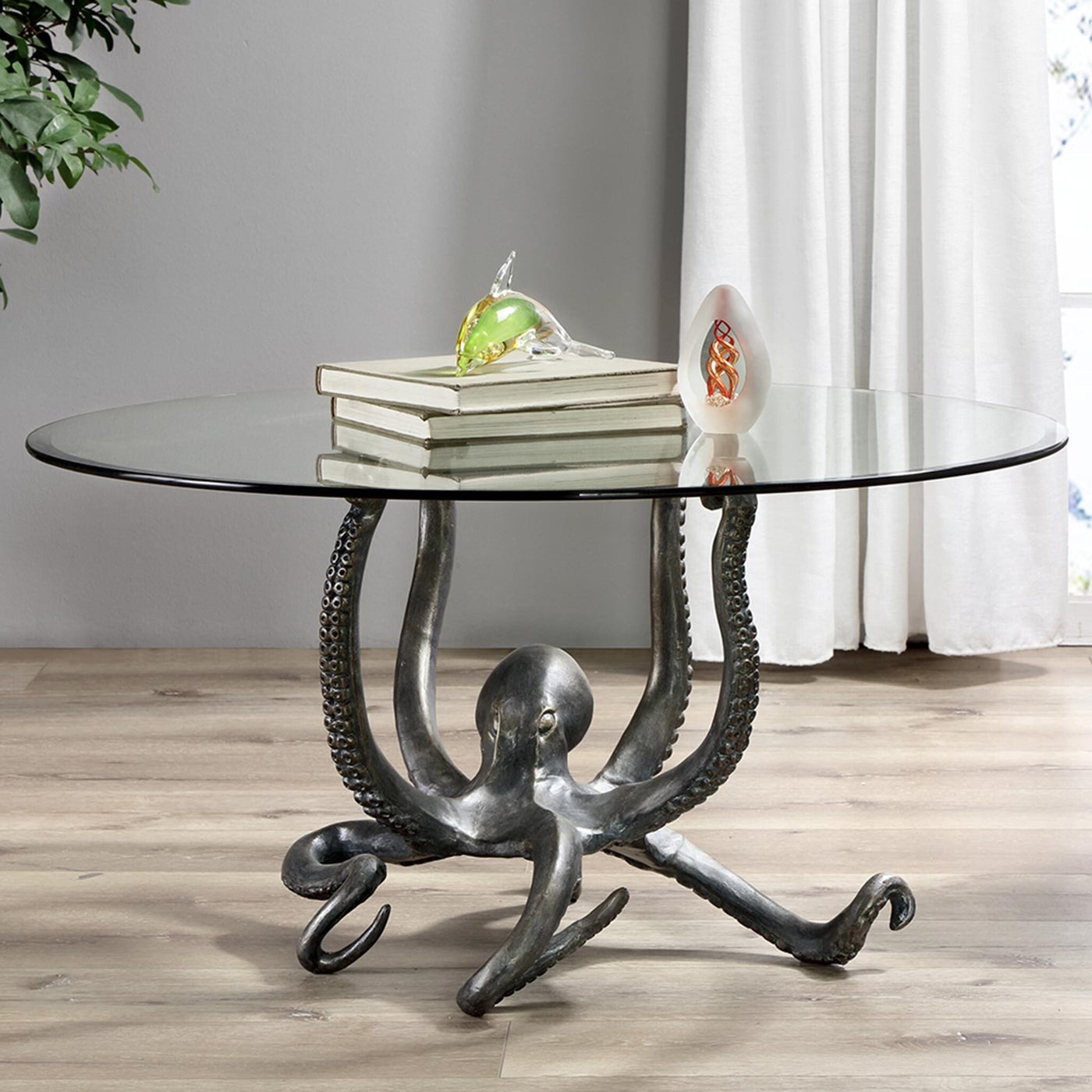
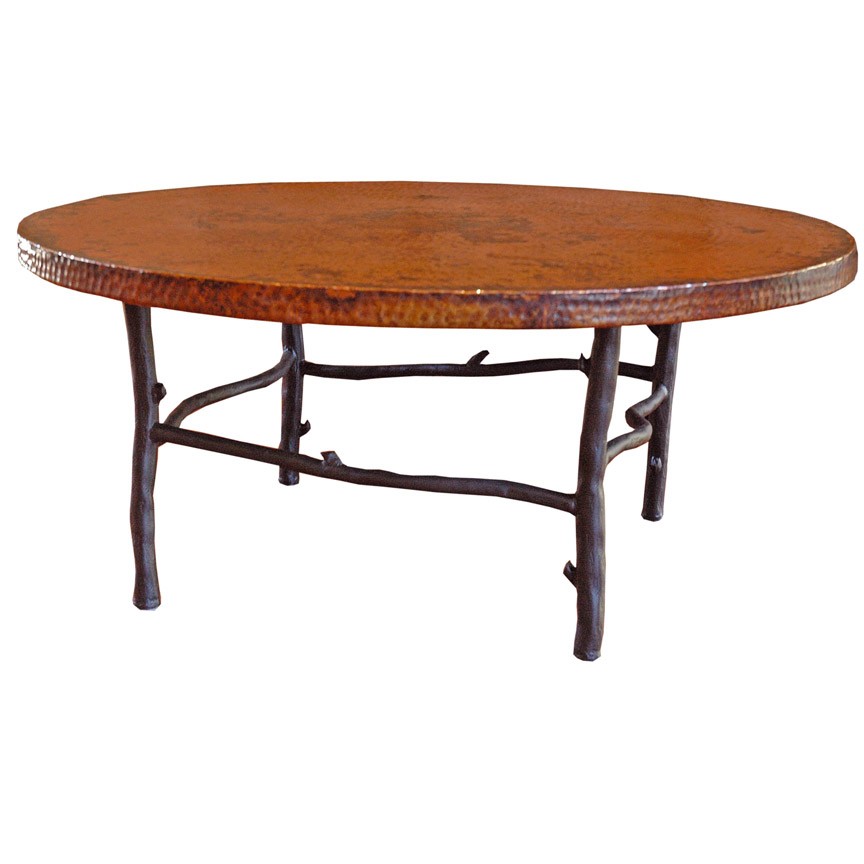
Our collection brings together complete tables and distinctive bases in iron, wood, glass and mixed materials, from grounded handcrafted designs to wonderfully sculptural pieces that become the conversation.
Before ordering: review the product title, description and available options to confirm what is included with the displayed price.
At the Heart of the Seating Area
A well-chosen coffee table does more than fill the space in front of a sofa. It gives the room a natural center—drawing chairs together, grounding the rug and creating an easy surface for the rituals and gatherings that make a living room feel like home.
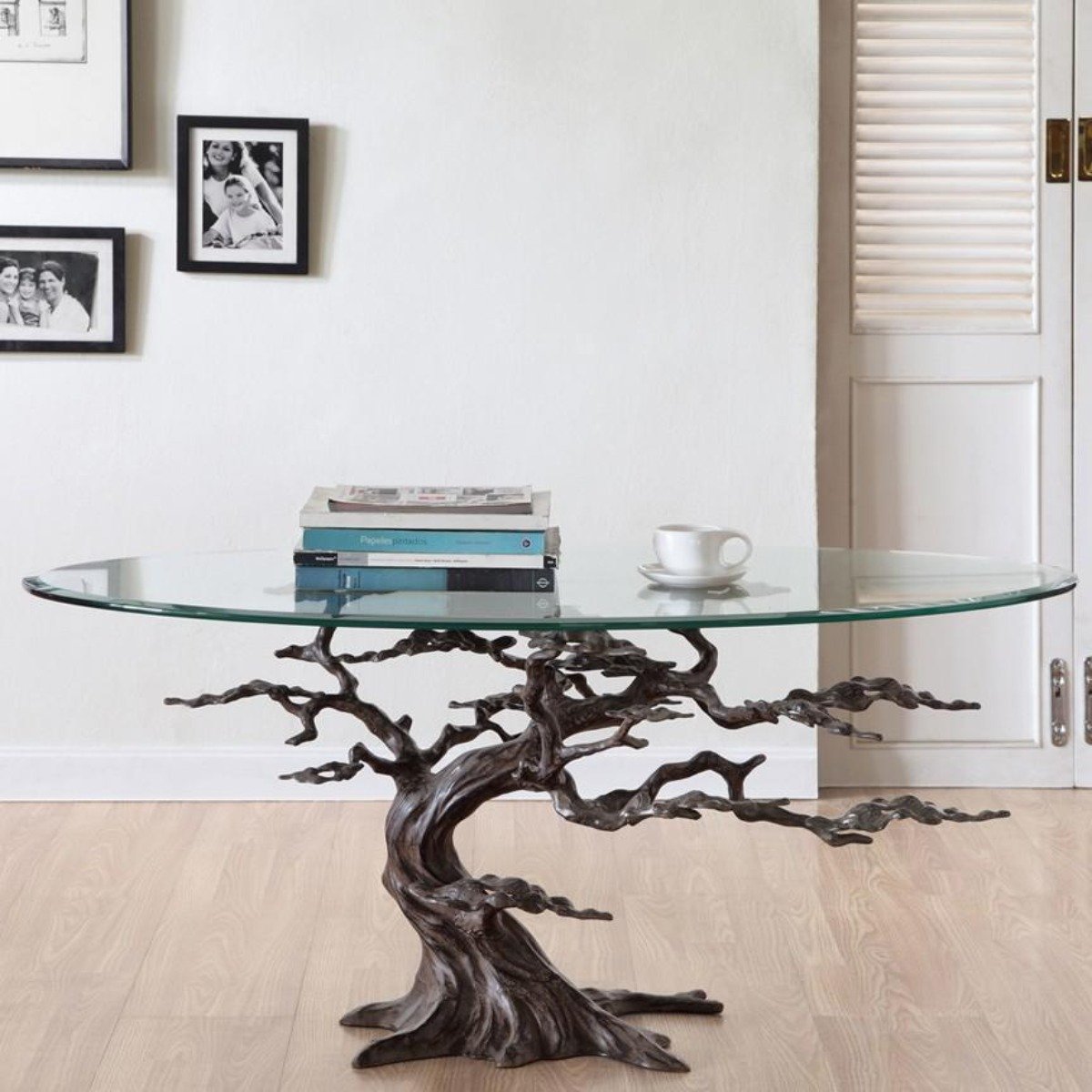
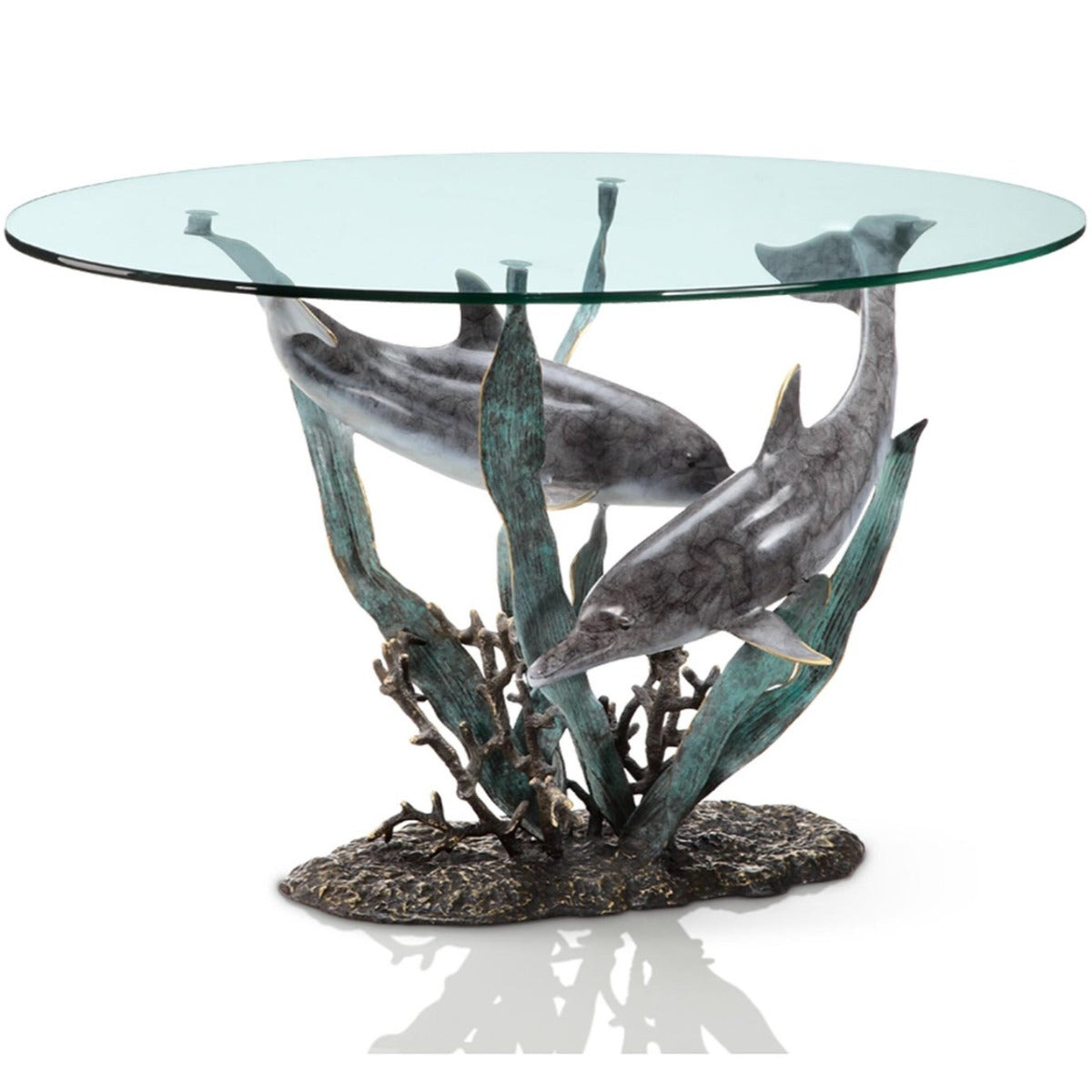
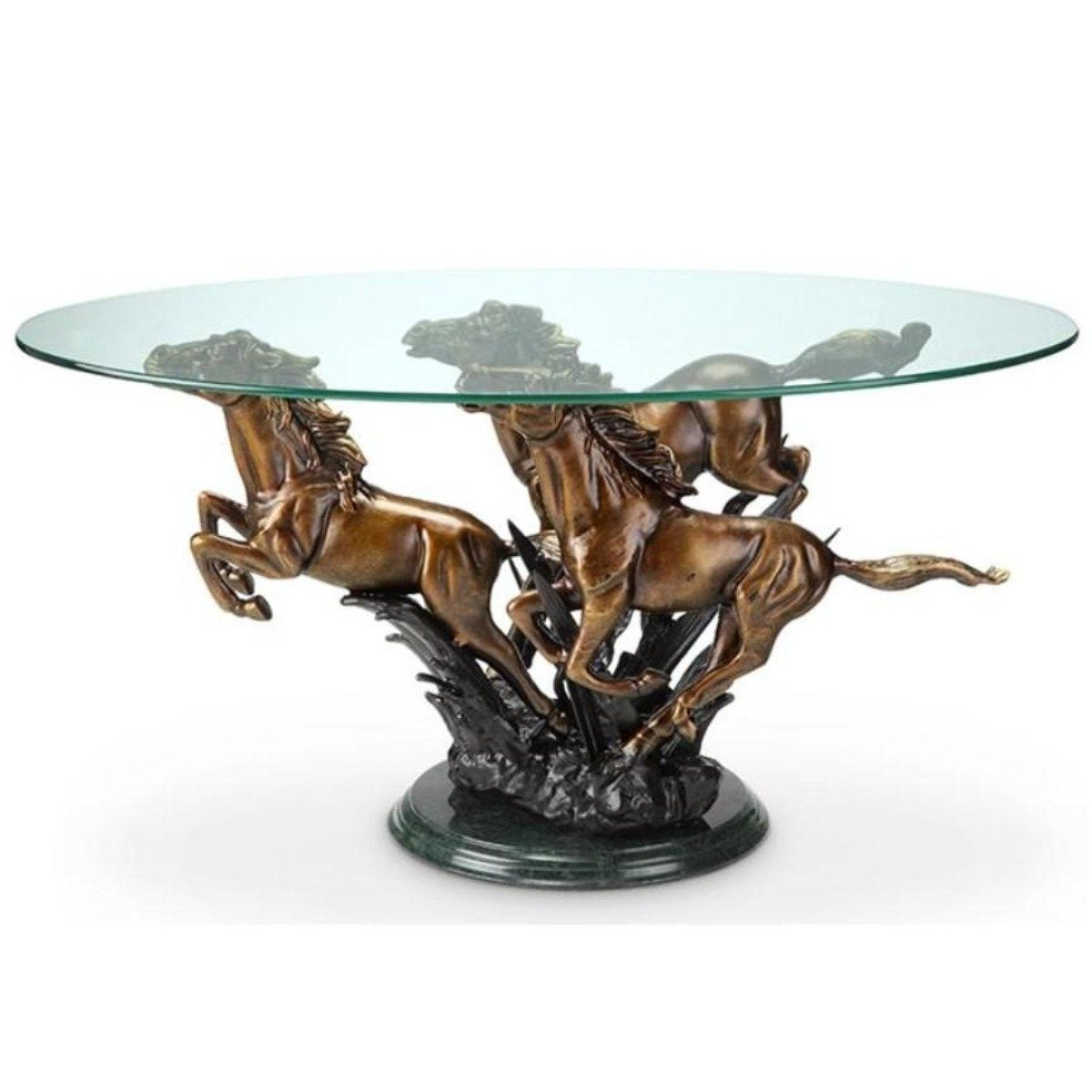
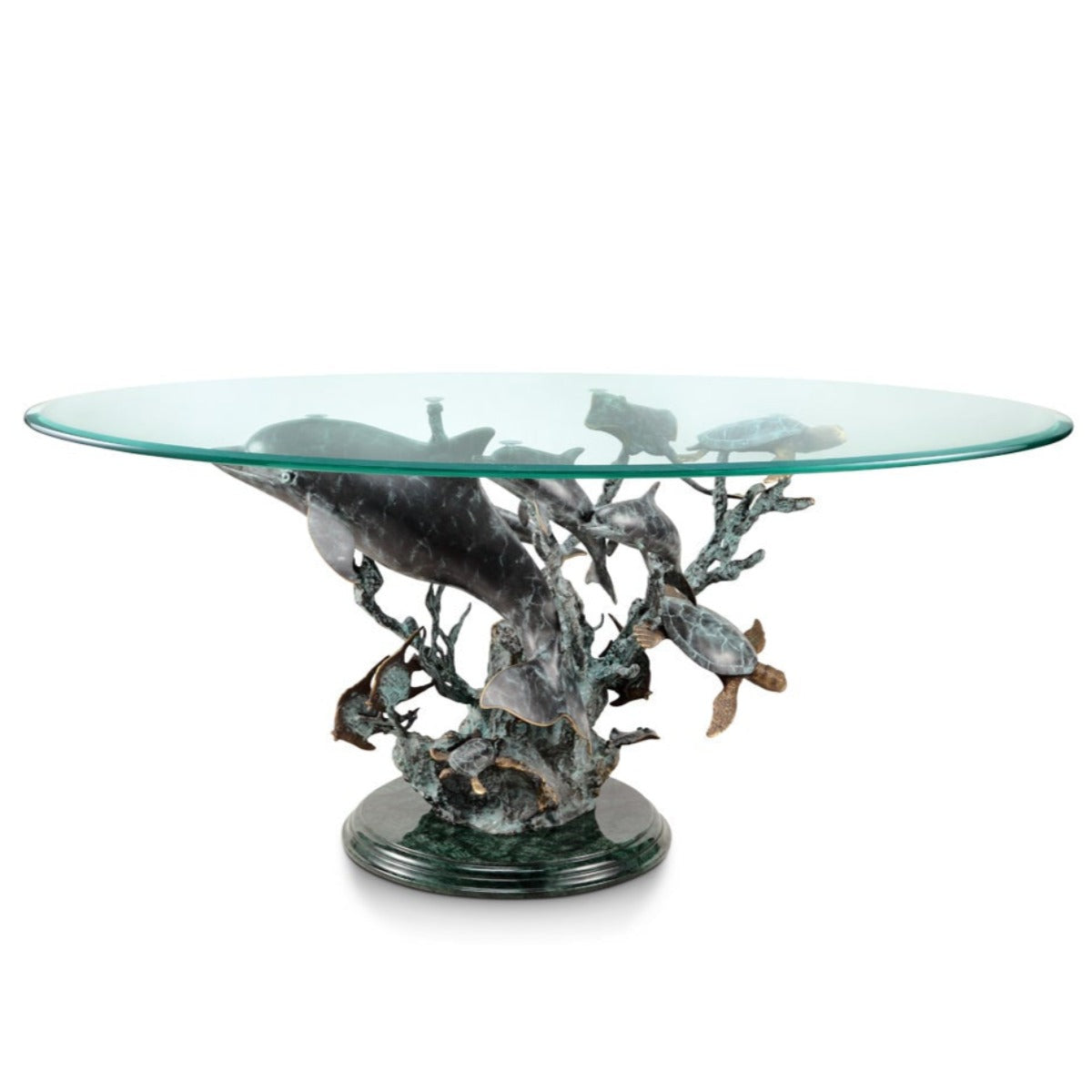
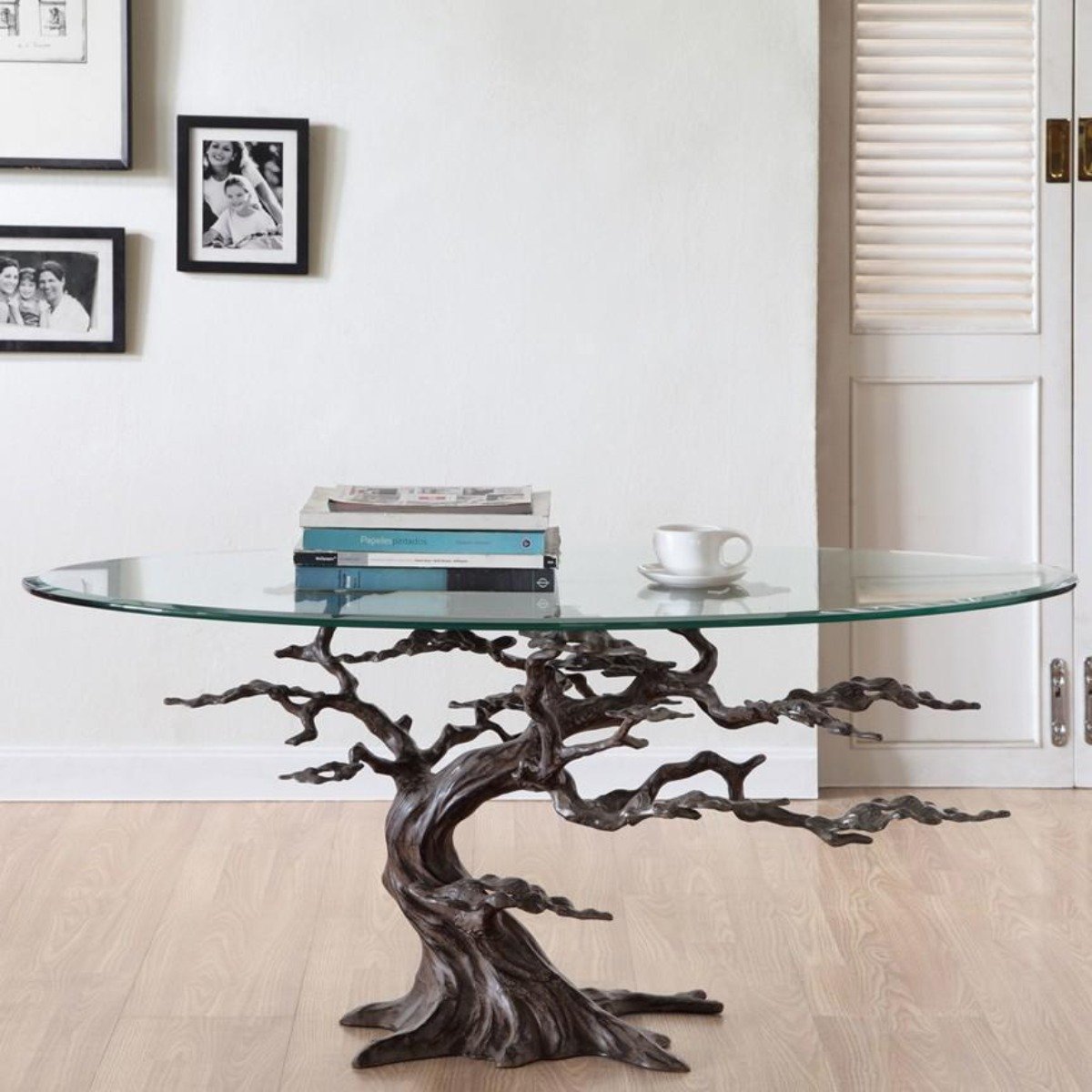
Some designs are calm and architectural, with clean iron lines and warm wood. Others are richly detailed, inspired by branches, horses, sea life or forms found in nature. Each brings a different kind of presence, but all are chosen to add character as well as usefulness.
Choose by Proportion
The table should feel connected to the seating without crowding it. Begin with the sofa, chairs and walkways already in the room, then compare the actual product dimensions.
A useful starting point is a table approximately one-half to two-thirds the sofa’s length. The room, sectional layout and nearby chairs may call for a different proportion.
Coffee tables are often close to the height of the sofa seat or slightly lower. Compare the table height with the actual seating rather than relying on a standard measurement alone.
Allow enough room to move between the table and seating while keeping drinks and everyday items within reach. Preserve wider paths where people walk through the room.
Choosing a Base-Only Design?
Follow the recommended dimensions and confirm the top’s material, weight, overhang, support points and attachment method before combining components from different sources.
Shape the Conversation
Coffee table and cocktail table are often used interchangeably. Shape, scale and placement matter more than the name.
Curved edges soften rooms with many straight lines and can make it easier to move around the table. They work especially well with conversational seating arrangements and homes where traffic flows nearby.
A natural companion to a standard sofa or long sectional. Rectangular tables offer generous surface space for trays, books, games and everyday entertaining.
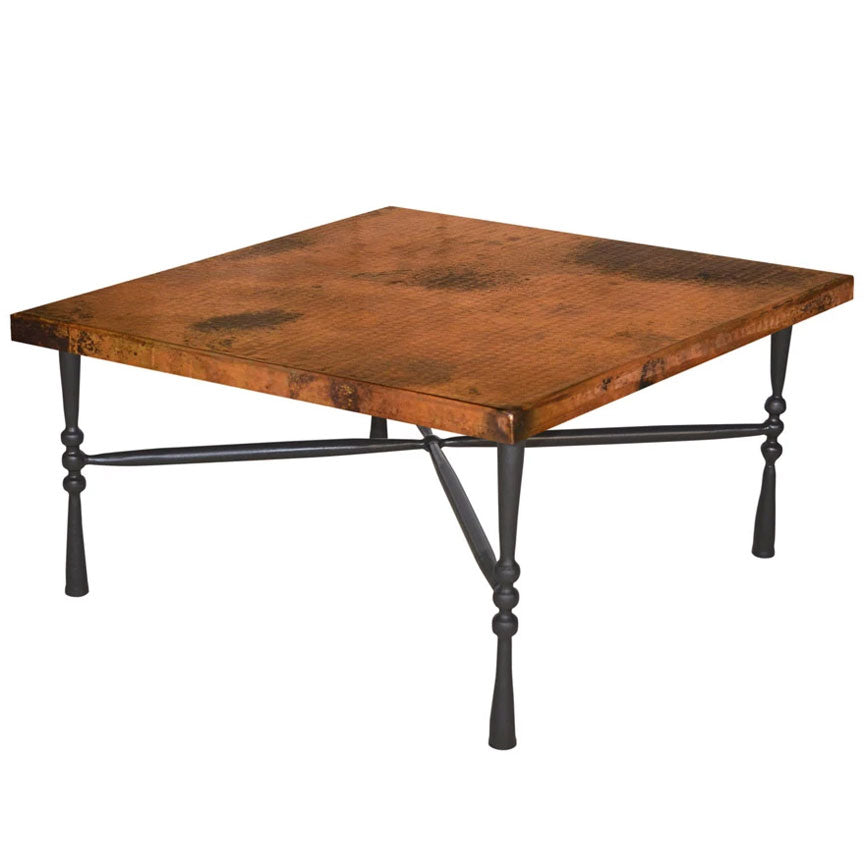
Square tables can anchor broad seating groups and balanced sectional arrangements. Check the depth carefully so the table remains easy to reach without interrupting movement.
Crafted to Anchor the Room
Iron brings structure and line to the center of a room. Hand-forged knots, hammered marks, architectural braces and graceful curves make the base part of the design rather than something hidden beneath the top.
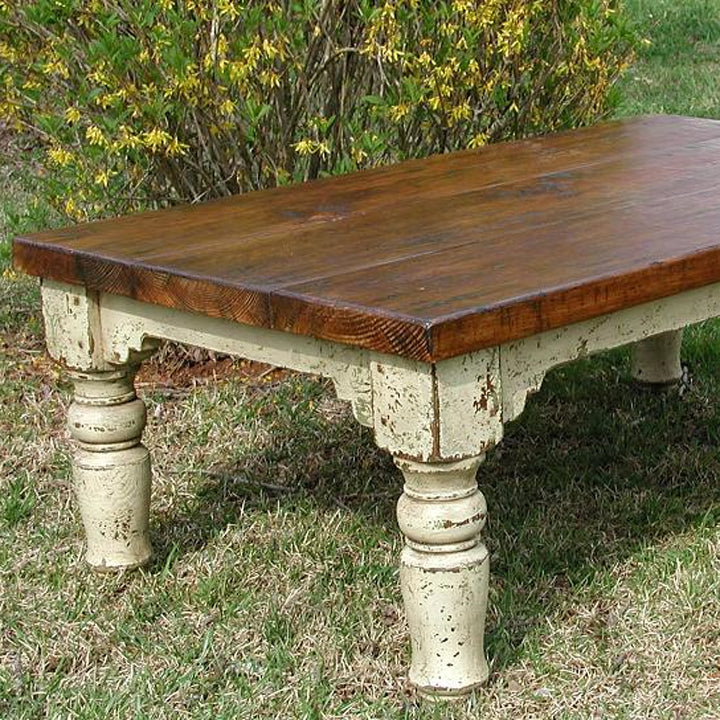
Wood adds warmth and natural grain, while glass keeps sculptural ironwork visible and allows a substantial table to feel more open. Stone and specialty surfaces introduce another layer of texture and permanence.
The collection ranges from quiet, versatile tables to expressive statement pieces shaped by trees, animals and sea life. That variety allows the coffee table to either settle gently into the room or become the detail everyone remembers.
Product pages identify dimensions, materials, finish, production time and whether the item is a complete table, a base only or one of the limited designs with an available top option.
Differences in ironwork, patina, wood grain, distressing, stone, glass and hand-applied finishes are part of the character of artisan-made furniture.
Common Questions
The terms are often used interchangeably for a low table placed in a living or seating area. Some retailers use cocktail table more often for larger rectangular or square designs, but the dimensions, shape and intended use are more important than the name.
A table approximately one-half to two-thirds the sofa’s length is a useful starting point, but the best size depends on the entire seating arrangement, surrounding chairs and available walkways.
A coffee table is often close to the height of the sofa seat or slightly lower, making the surface easy to reach without blocking the view across the room. Compare the actual table and seating dimensions.
Leave enough room for legs and comfortable movement while keeping the surface within reach. A range of roughly 14–18 inches is a common starting point, but deeper seating and room traffic may require more space.
No. The collection includes complete tables as well as bases sold without a top. Some designs may offer a choice of tabletop. The product title, description and available selections identify exactly what is included.
Often, yes, provided the top’s material, shape, dimensions, thickness, weight and attachment needs are compatible with the selected base. Follow the recommended top range on the product page.
Broad square or round tables often work well with balanced sectional arrangements. Rounded edges can make movement around the table feel easier, but stability, material, finish and the specific needs of the household should also guide the choice.
Requirements vary by product. Some pieces are stocked, while others are handcrafted after purchase. Bases, shelves or tabletops may require assembly or placement, and large or heavy tops may need more than one person to handle safely.
Continue Shopping