Your Cart is Empty























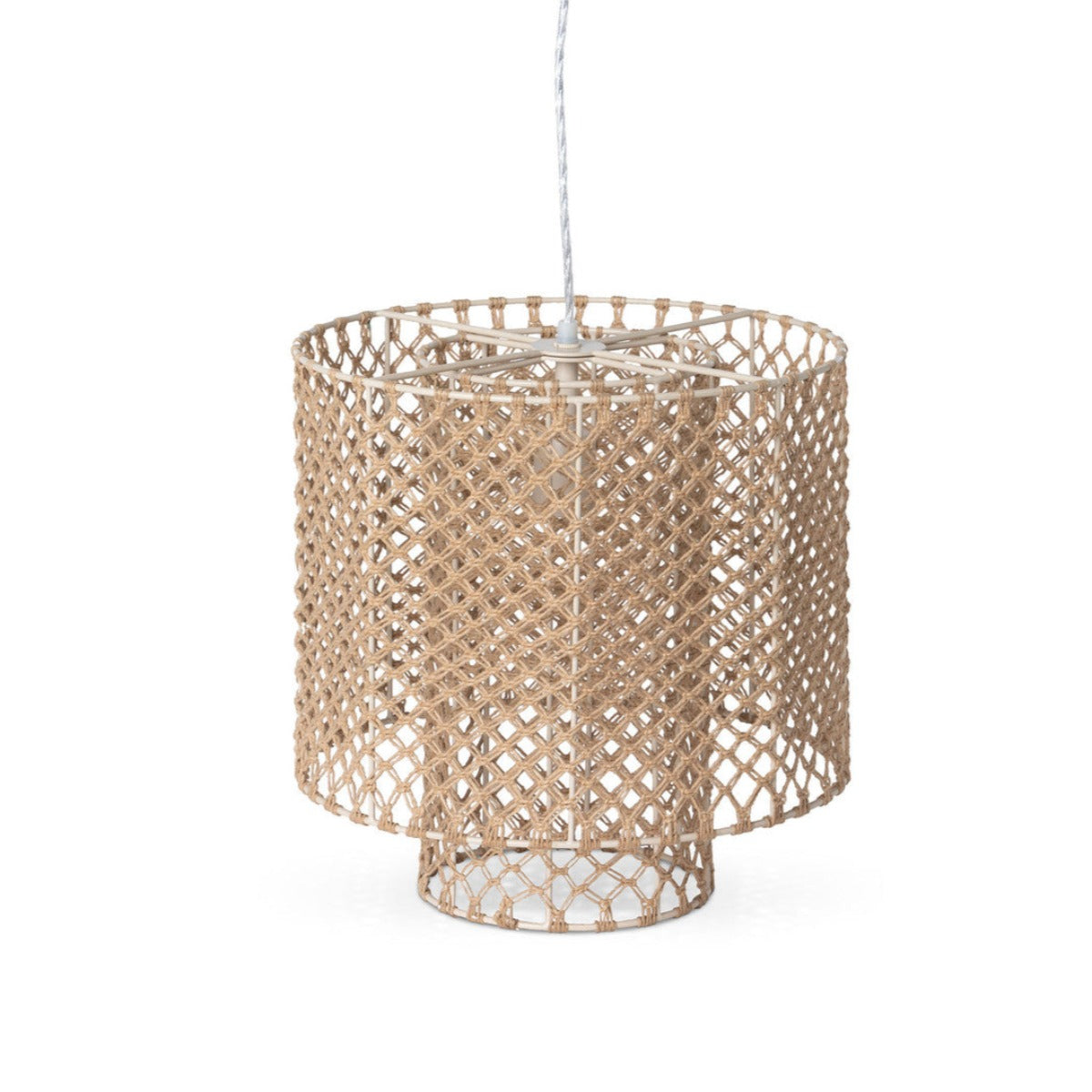


Above an Island or Table
About 30–36 inches from the work surface or tabletop to the bottom of the pendant is a common starting range. Adjust for fixture size, sight lines, ceiling height and the people using the space.

Pendant Lamps
Pendant lighting brings illumination closer to the places where life happens—above a kitchen island, beside a bed, over a breakfast table or in the corner that needed a little more warmth and intention.
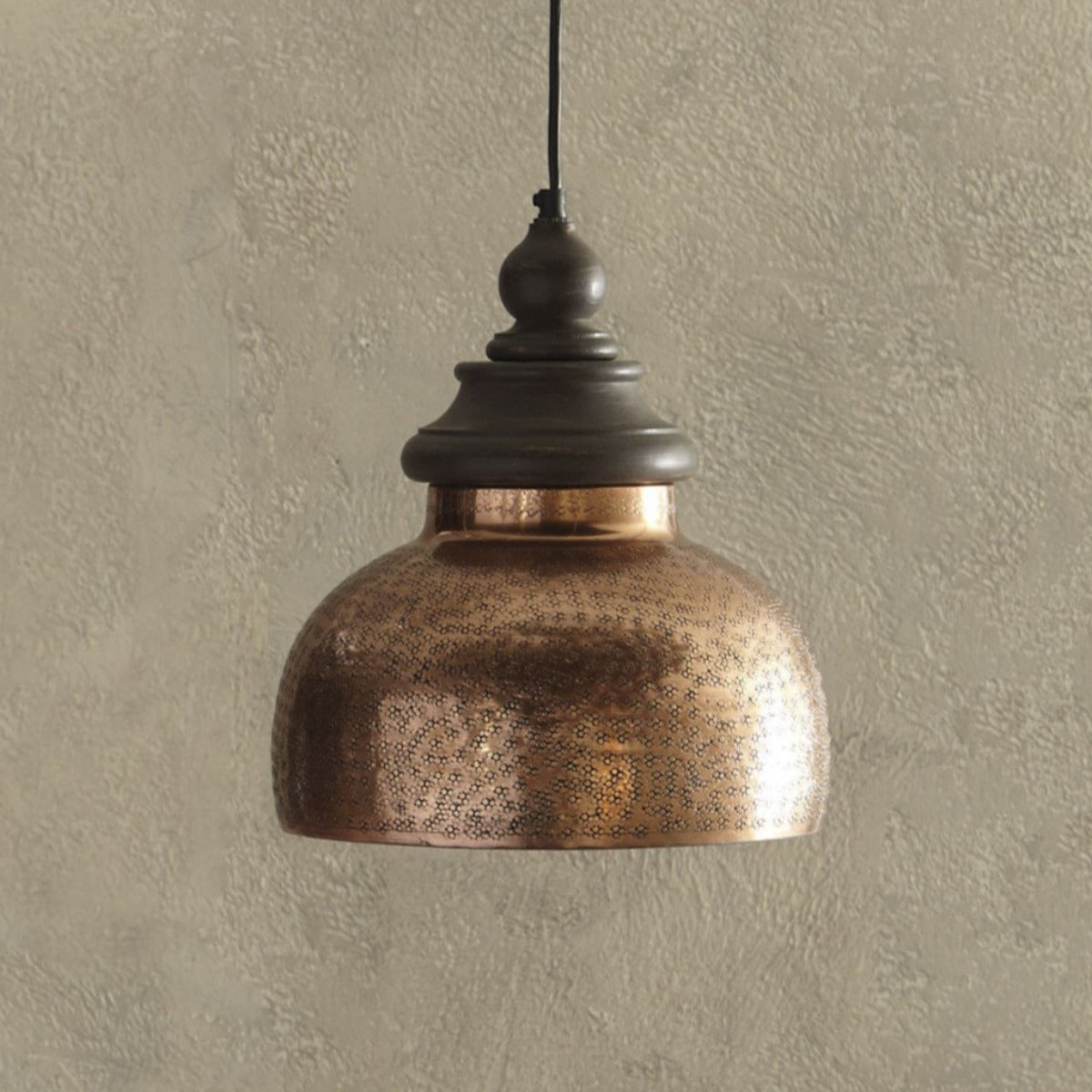
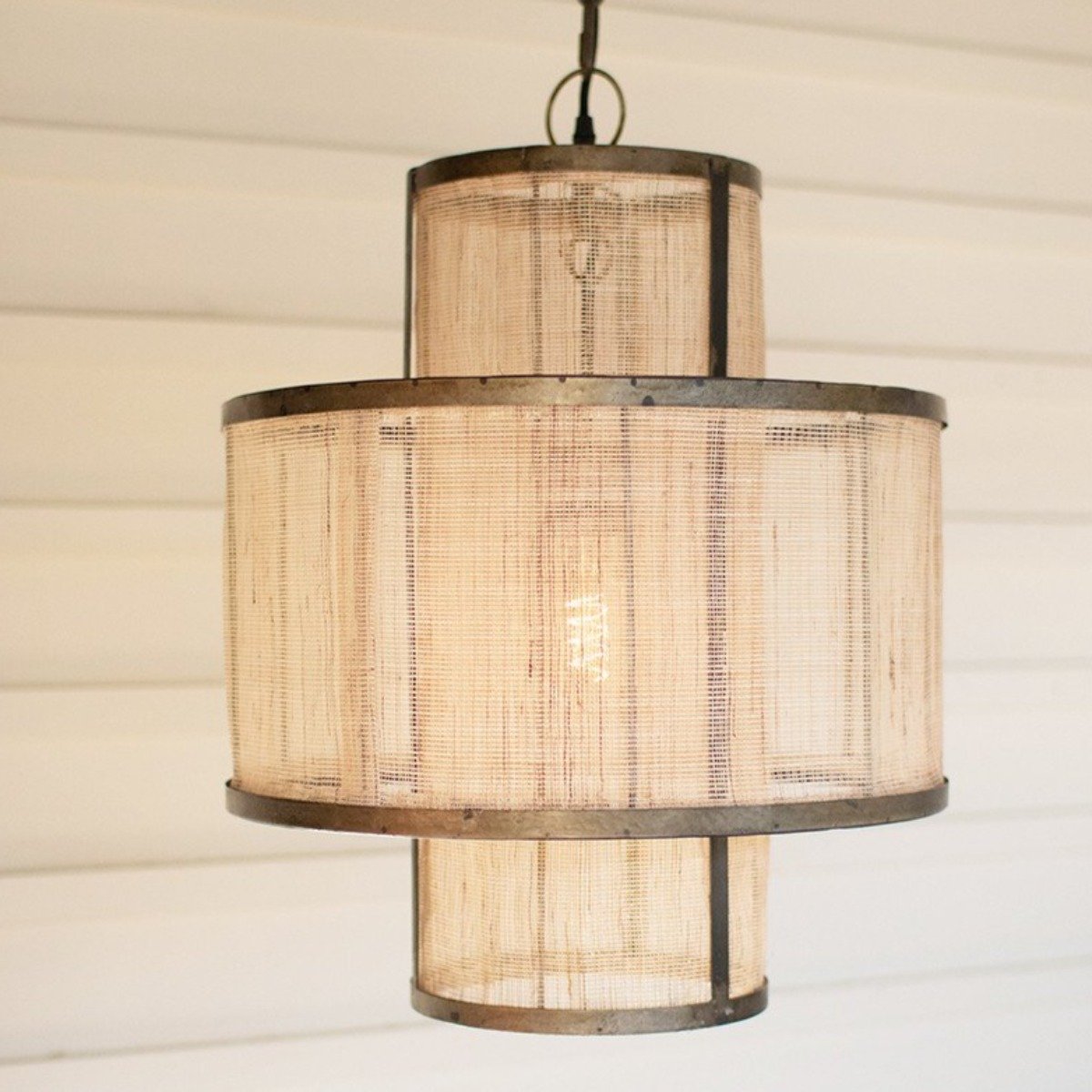
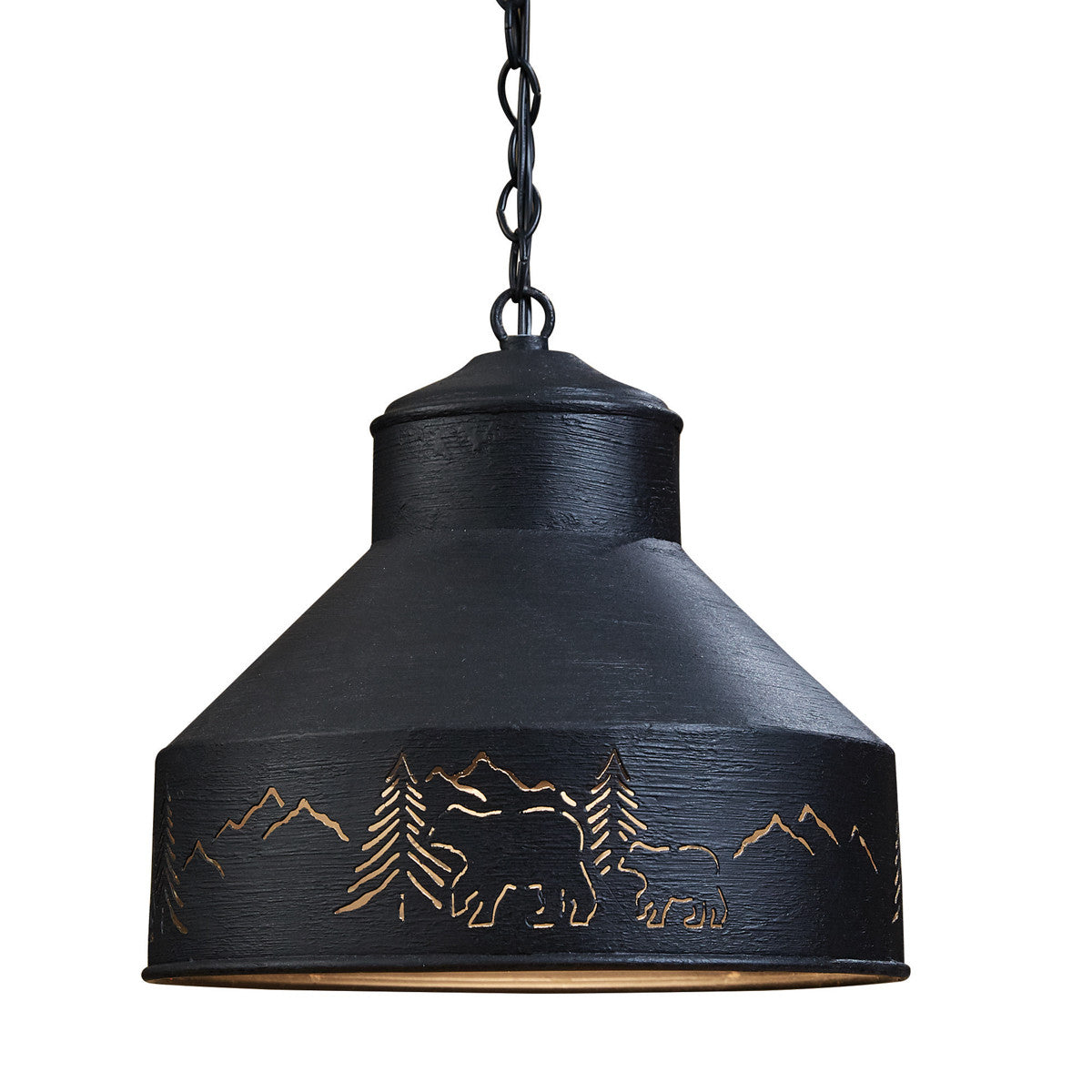
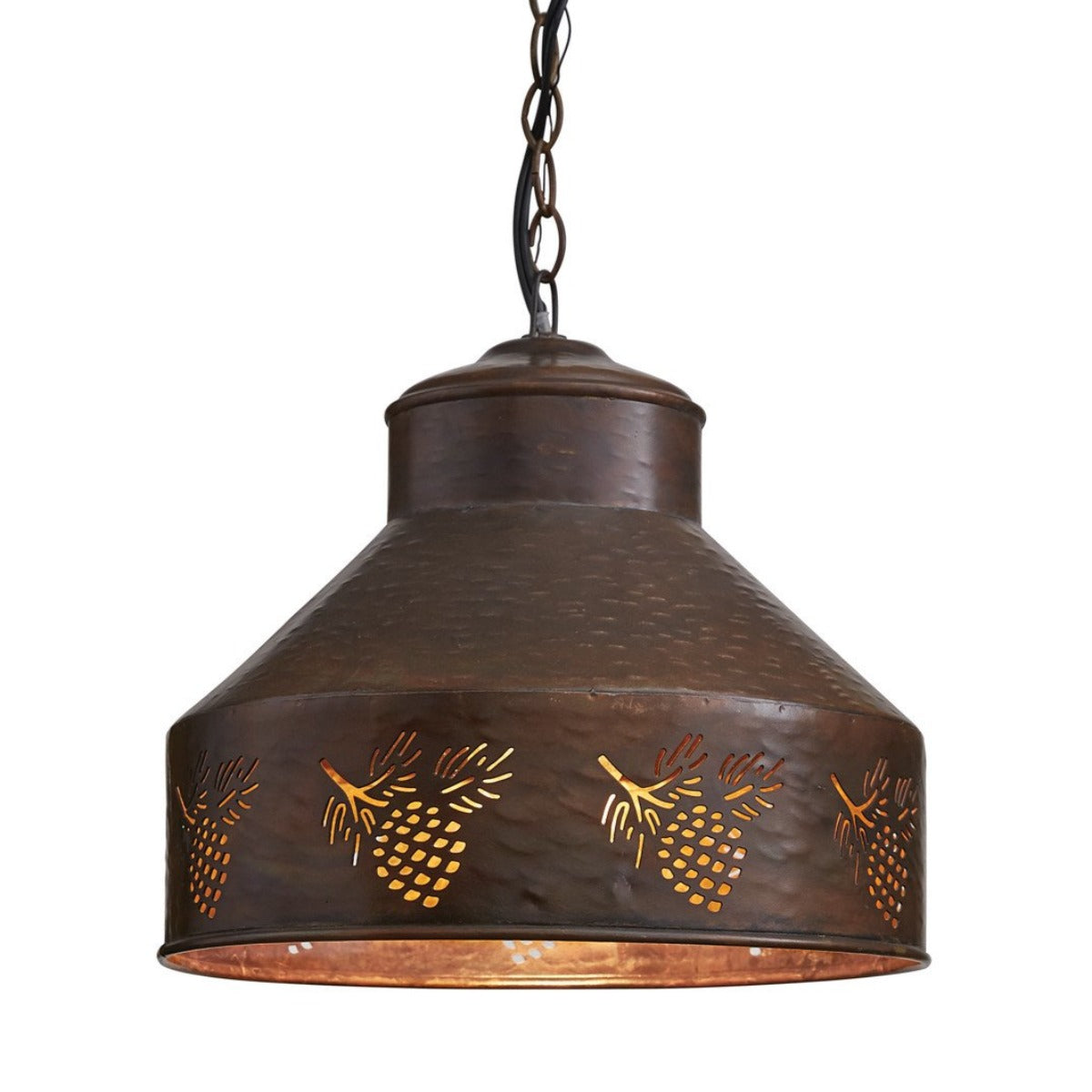
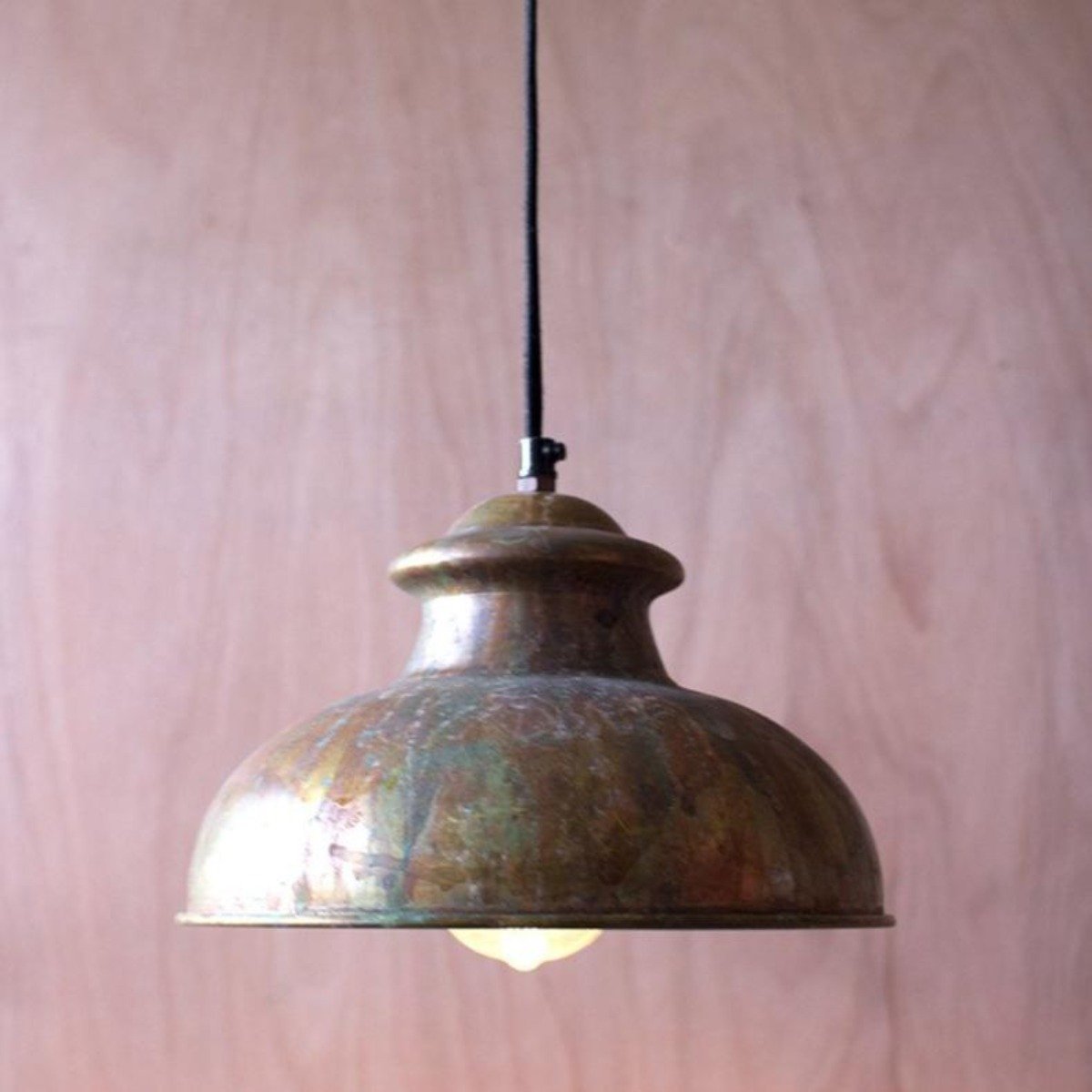
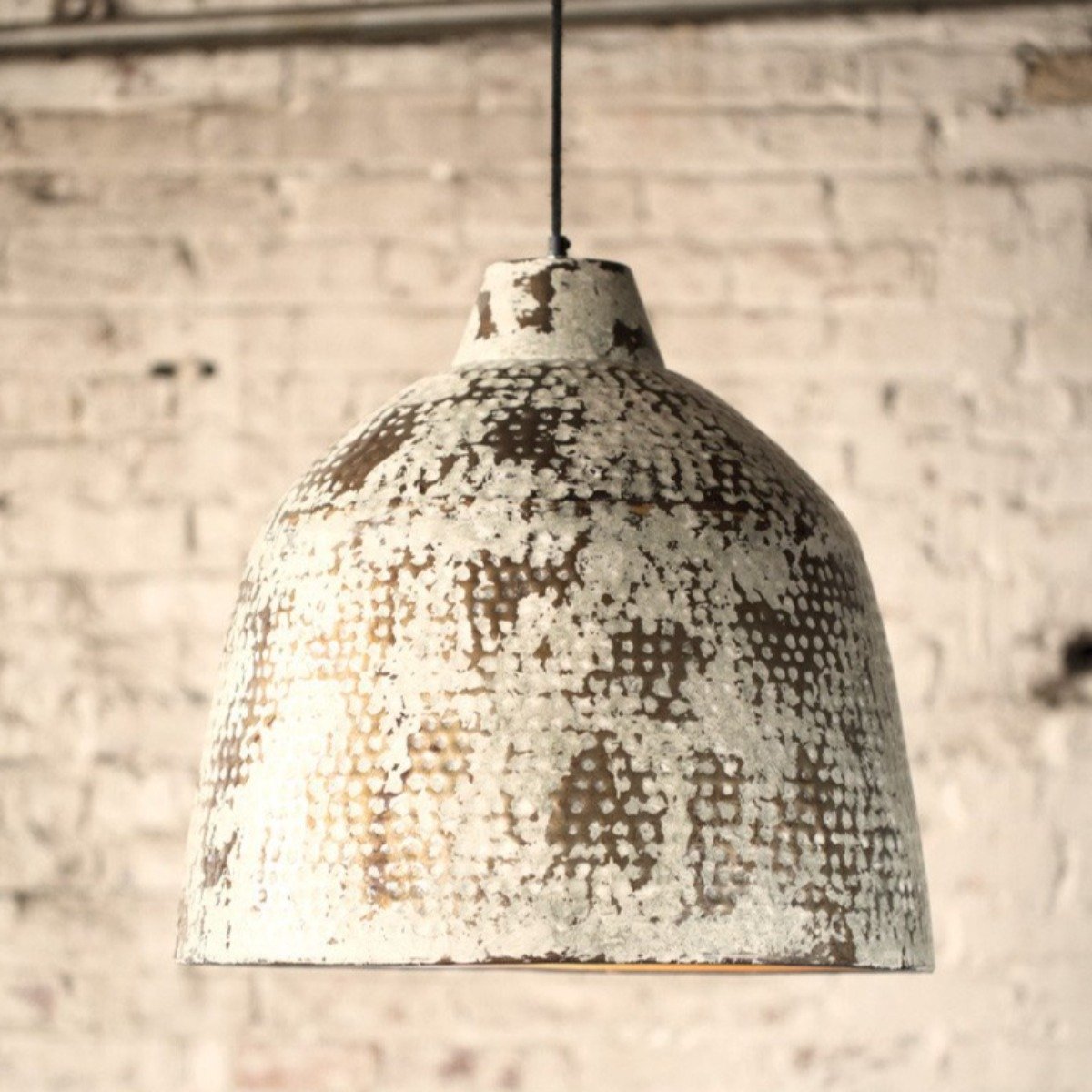
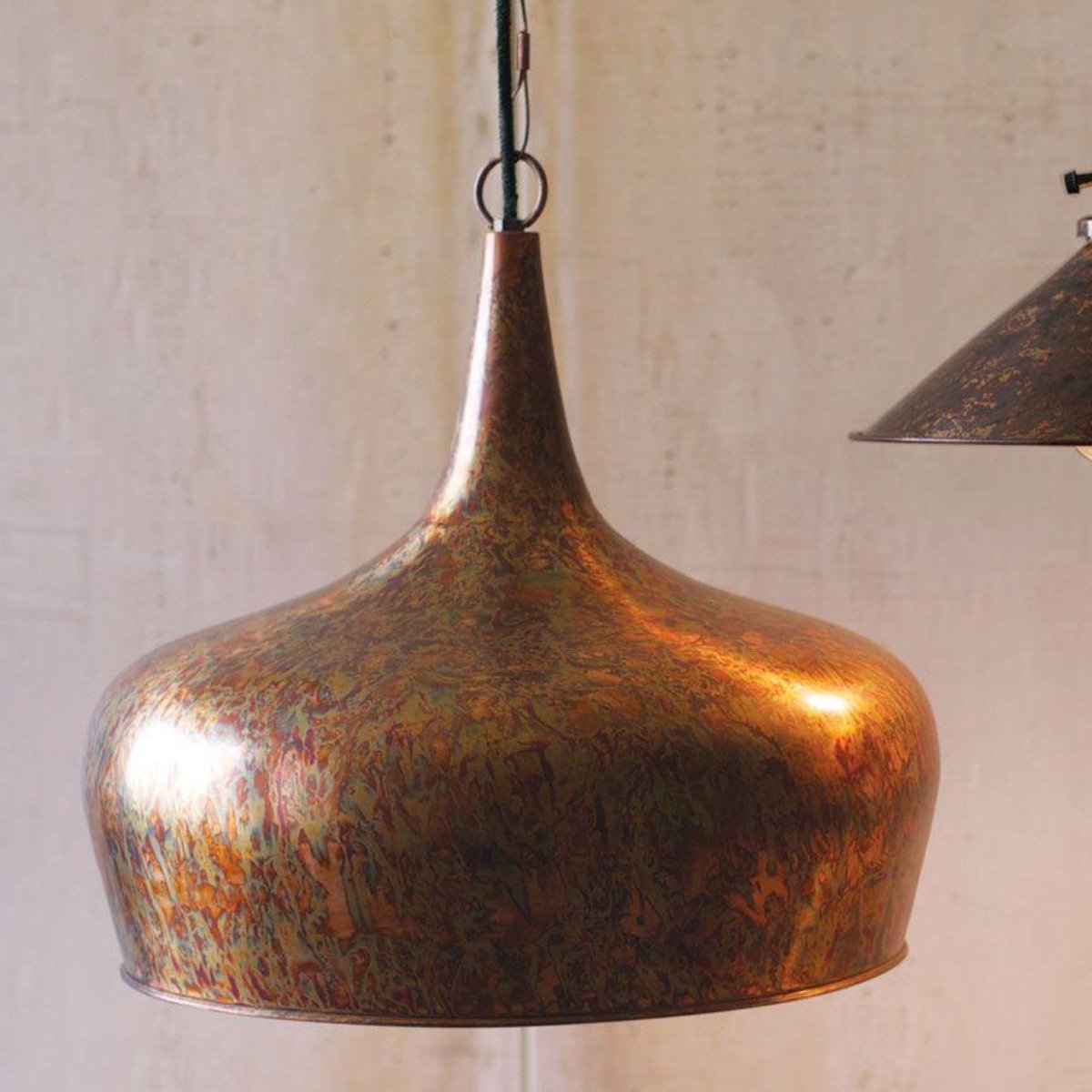
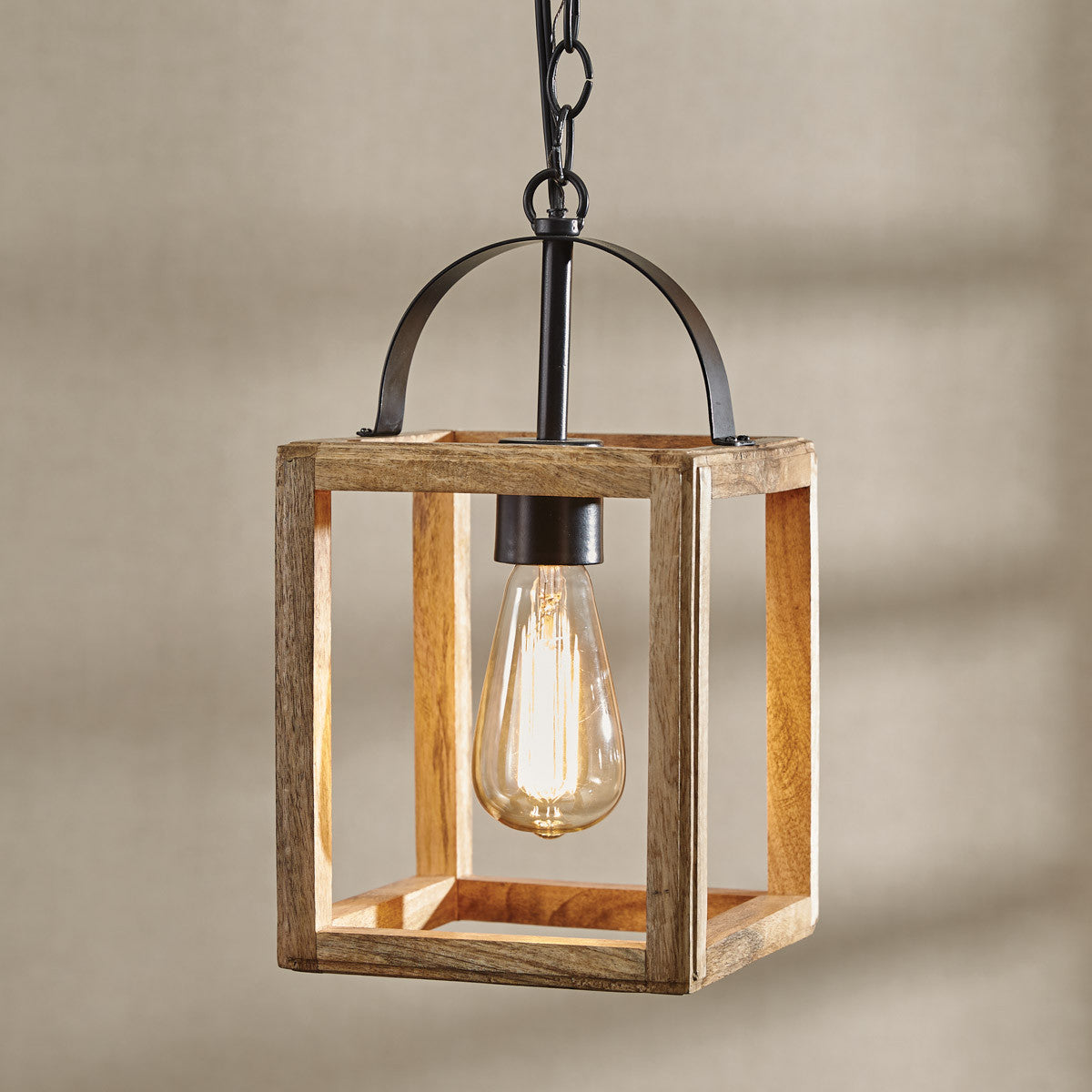
Discover airy metal frames, punched rustic shades, textured and colored glass, hand-fired copper, woven natural fibers and elongated island fixtures, each offering its own balance of task light, atmosphere and character.
Before ordering: review the complete fixture and shade dimensions, overall hanging range, cord, chain or rod length, canopy, bulb base and wattage, dimmer and sloped-ceiling compatibility, location rating, production time, current availability and return eligibility.
Light Brought Closer
Pendants occupy a special place between architecture and decoration. They define a surface below, create rhythm when repeated and allow material, color and craftsmanship to be appreciated closer to eye level.
One sculptural pendant can anchor a breakfast nook or entry. A pair can frame bedside tables, while a carefully spaced row can bring useful light and visual order to a long kitchen island.
Plan the Height Before the Style
The fixture body is only part of the installed height. Include the canopy, cord, chain, rod and connectors when deciding whether a pendant will fit the room.
About 30–36 inches from the work surface or tabletop to the bottom of the pendant is a common starting range. Adjust for fixture size, sight lines, ceiling height and the people using the space.
Pendants outside a table or counter area need safe head clearance. Confirm the lowest point of the installed fixture and avoid locations where people may walk beneath or reach into it unexpectedly.
Look for a compact body and an adjustable cord, chain or rod. Confirm the minimum hanging length and whether the canopy or mounting system is approved for a sloped ceiling.
Pendant Planning Checklist
Mark the pendant diameter or width and its lowest point, then confirm the ceiling box, overall hanging range, spacing, outlets, sight lines and whether the fixture will be used alone, in a pair or in a series.
One, Two or a Carefully Spaced Row
The number of pendants matters less than achieving balanced light, comfortable spacing and a composition that feels connected to the surface below.
A larger or more sculptural pendant can center a round table, breakfast nook or compact island. Confirm that its light spread suits the full surface rather than choosing by appearance alone.
Two pendants can suit smaller and medium islands when their combined scale fills the space without crowding it. Center the arrangement as a whole, not each fixture independently from the room.
Smaller pendants can create an even rhythm across a longer surface. Measure between the widest points of the shades, preserve clearance near the island ends and test the layout before wiring.
Material Shapes the Glow
The shade material affects not only the style of the pendant but where the light travels and how bright or atmospheric it feels.
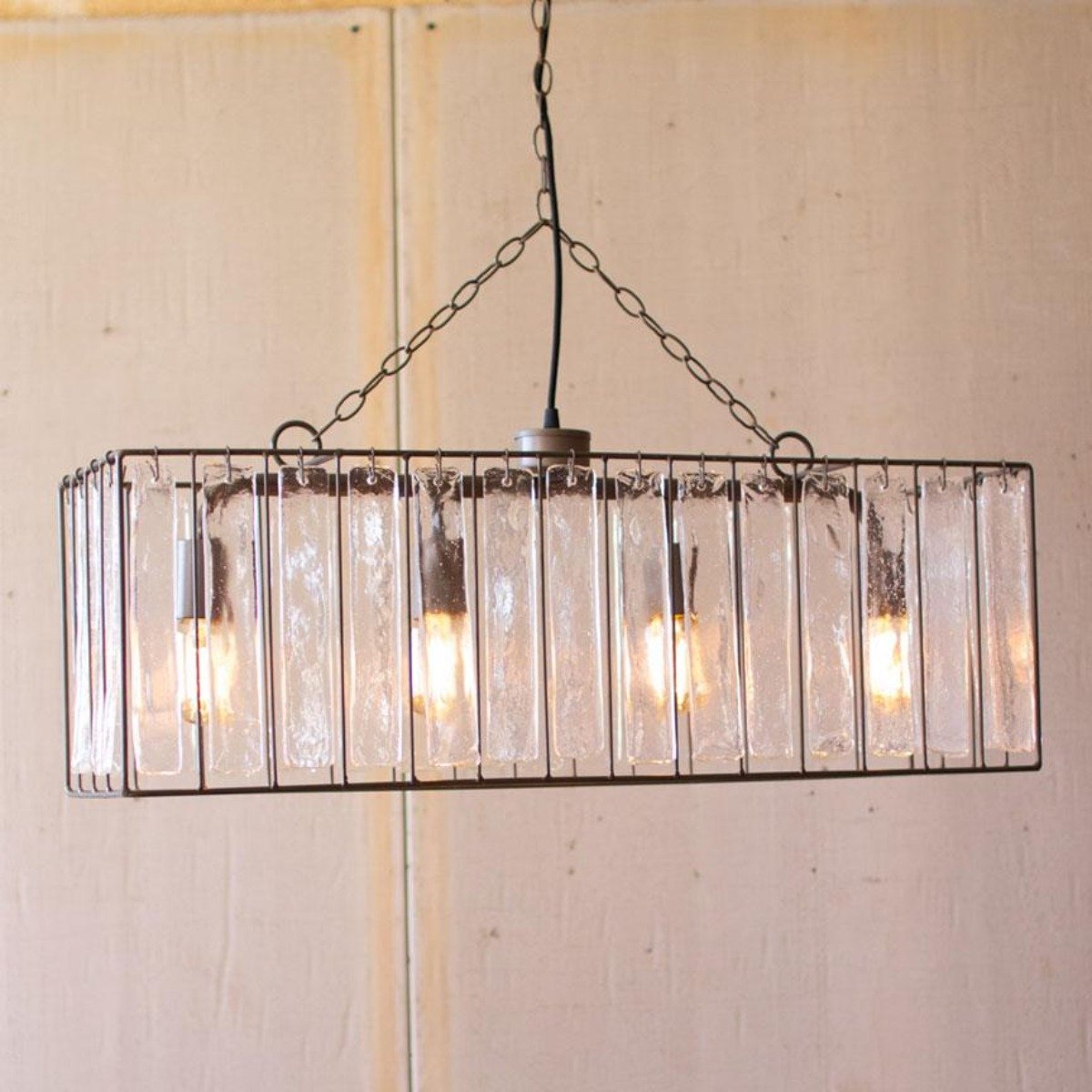
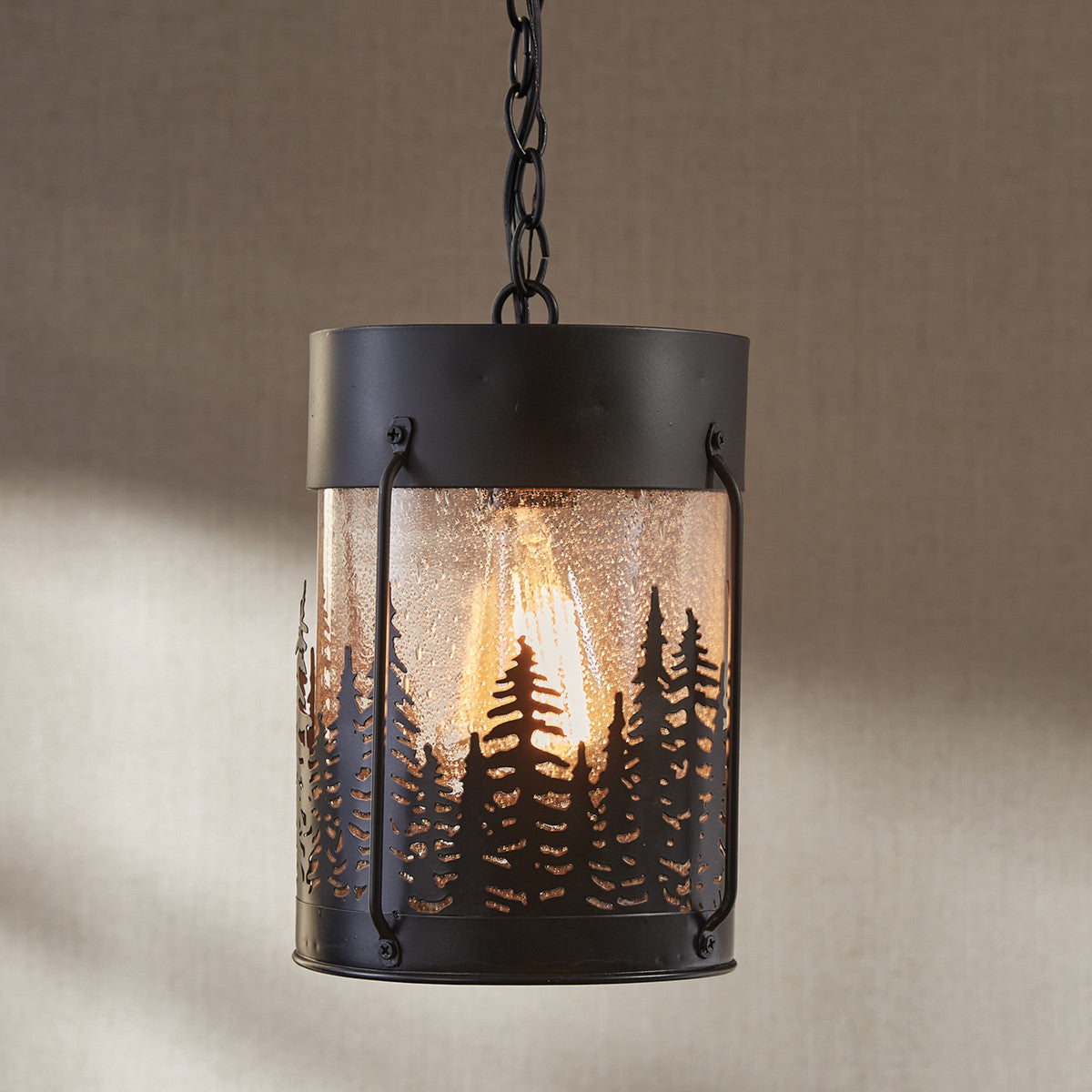
Clear glass exposes the bulb and spreads light broadly. Bubbled, seeded and layered glass introduce texture, while colored glass adds a softer, decorative wash that may provide less direct task light.
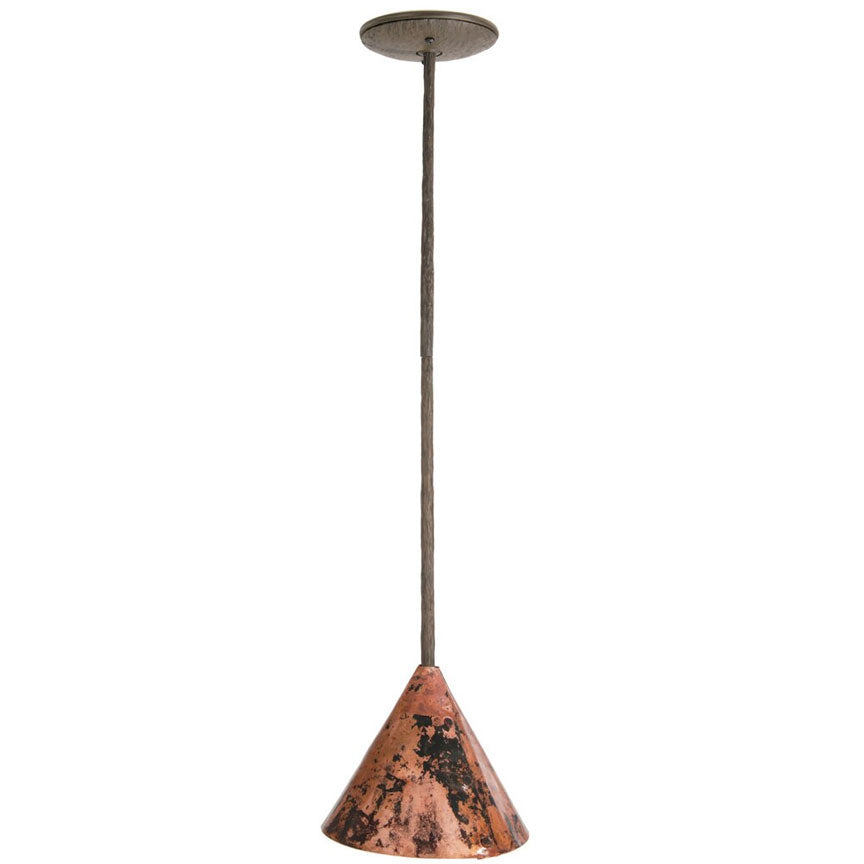
Open metal frames keep the silhouette airy, while punched or solid shades direct and pattern the light. Hand-fired copper develops individual variations in ember, bronze and darkened tones.
Natural fibers bring warmth and texture while filtering light through the weave. They should be protected from moisture, grease and harsh cleaning unless the product instructions state otherwise.
Plan the Light, Not Only the Fixture
Confirm the bulb base, bulb shape, maximum wattage and whether the bulb is visible through the shade. Clear glass and open frames make the bulb part of the design, while metal and woven shades change how the light is directed or diffused.
For dimming, the bulb, dimmer and fixture must be compatible. LED bulbs can reduce heat and energy use, but they still need to meet the socket, size and fixture requirements.
Pendant lamps are generally hardwired and should be installed by a qualified professional. Confirm that the ceiling box and support are appropriate for the fixture weight and that multiple pendants can be placed where the wiring is intended.
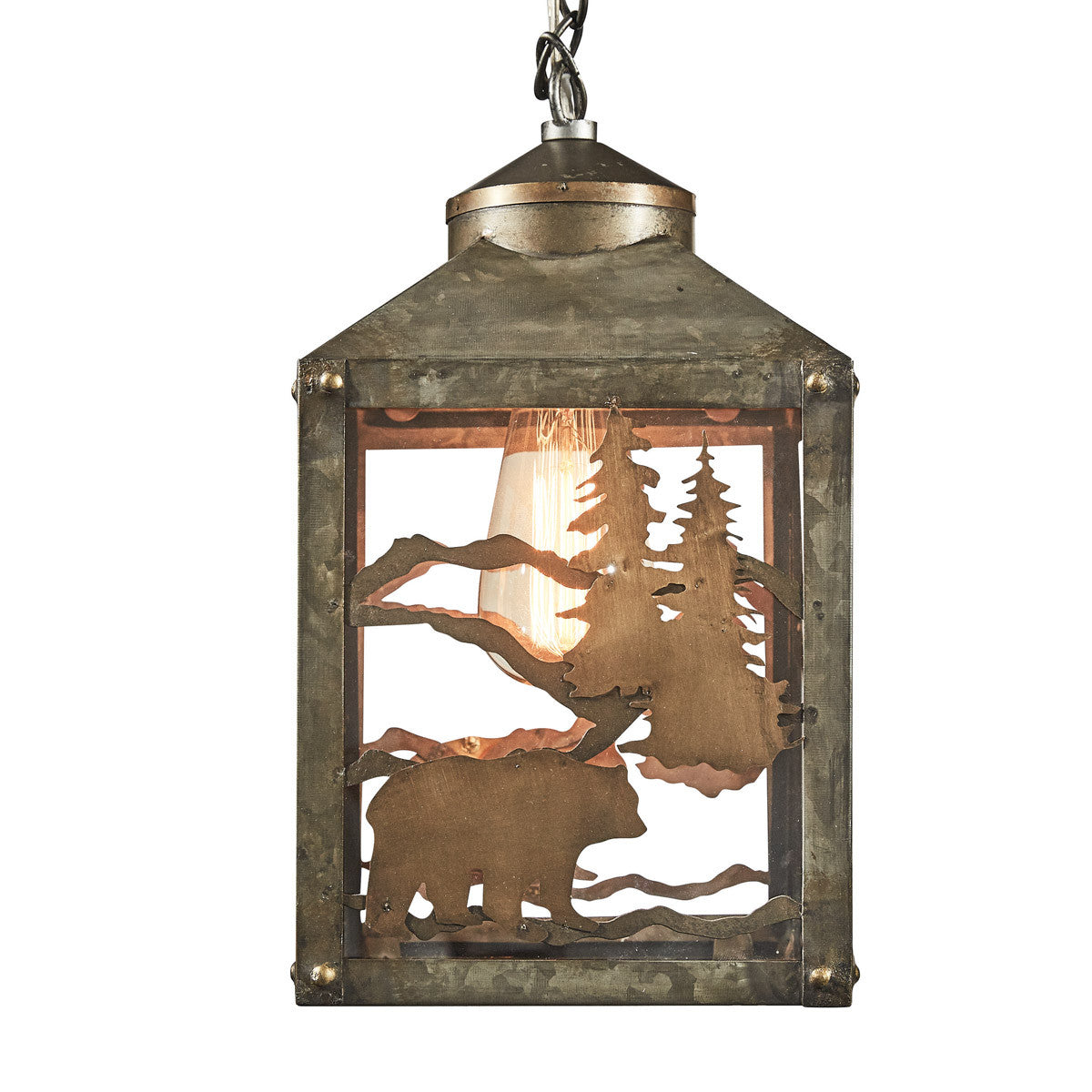
Do not assume that a rustic or lantern-like pendant is rated for a porch, bathroom or other damp location. Use the fixture only in the dry, damp or wet setting specifically identified on its product information.
Some pendants are stocked or incoming, some are retired with limited availability and the Copperweave design is hand-forged to order. Review production time, cancellation terms and return eligibility for the exact fixture before purchasing multiples.
Common Questions
Roughly 30–36 inches from the island surface to the bottom of the pendant is a common starting range. Adjust for fixture height, sight lines, ceiling height and the height of the people who use the kitchen.
The answer depends on the island length, pendant width and desired light coverage. Two larger pendants may suit the same island that could hold three smaller ones. Lay out the full fixture widths and gaps before choosing the quantity.
Measure between the widest points of the shades rather than only between the ceiling boxes. Some planning guides begin around 12–24 inches between smaller pendants, but larger fixtures require more space. Preserve clearance near both ends of the island.
Yes. A single statement pendant, a linear fixture or a coordinated group can work above a dining table when the scale and light spread suit the tabletop. Keep the fixture comfortably within the table edges and adjust the hanging height for clear sight lines.
Compatibility varies by the canopy and suspension system. Some chain, cord and swivel-canopy designs can adapt to a slope, while rigid rods may require special hardware. Confirm the individual product specifications before ordering.
Open-bottom metal shades often direct light toward the surface, while clear glass spreads it more broadly. Colored glass and woven shades create atmosphere and texture but may need support from recessed, under-cabinet or other task lighting.
Only when the specific fixture is listed for the intended dry, damp or wet location and local installation requirements are met. Appearance and materials alone do not establish an outdoor or damp-location rating.
The collection includes stocked, incoming, limited, retired and made-to-order fixtures. Production time, cancellation terms, final-sale status, restocking fees and return eligibility vary, so review the individual product page before ordering.
Continue Shopping