Your Cart is Empty





























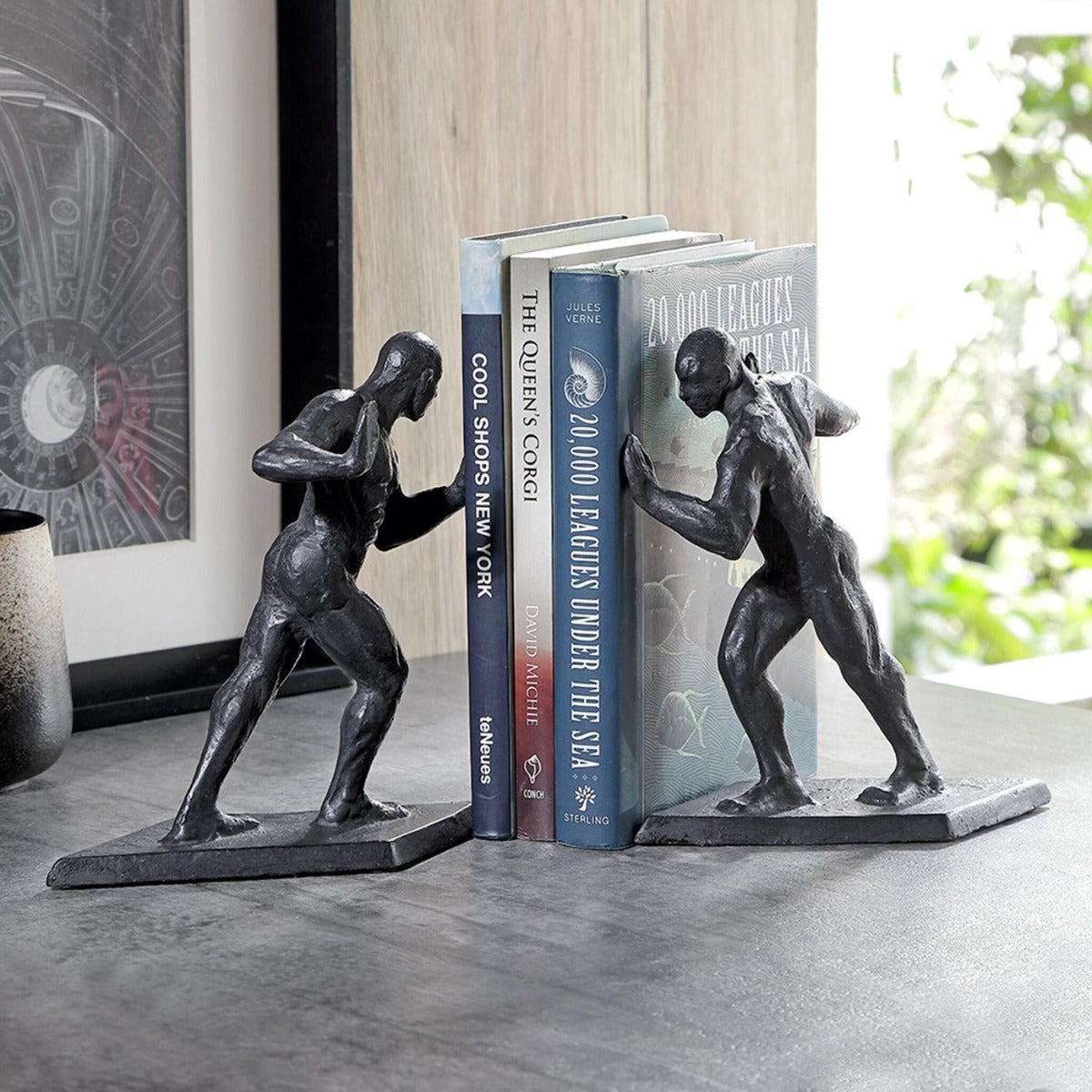


Substantial by Nature
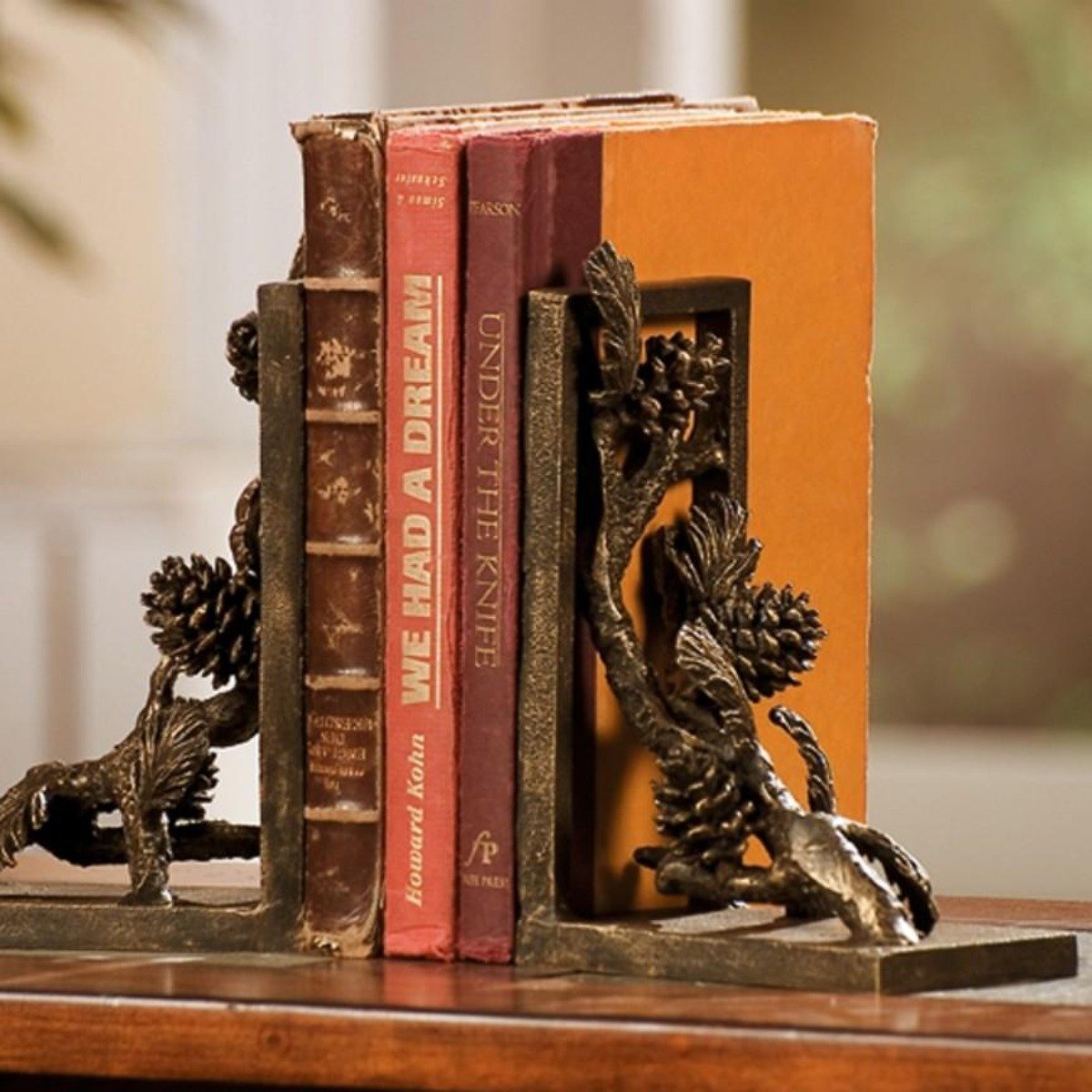
Cast iron gives a relatively compact bookend useful weight, which can help stabilize books without requiring an oversized base. Exact weight varies considerably by design.

Decorative Bookends
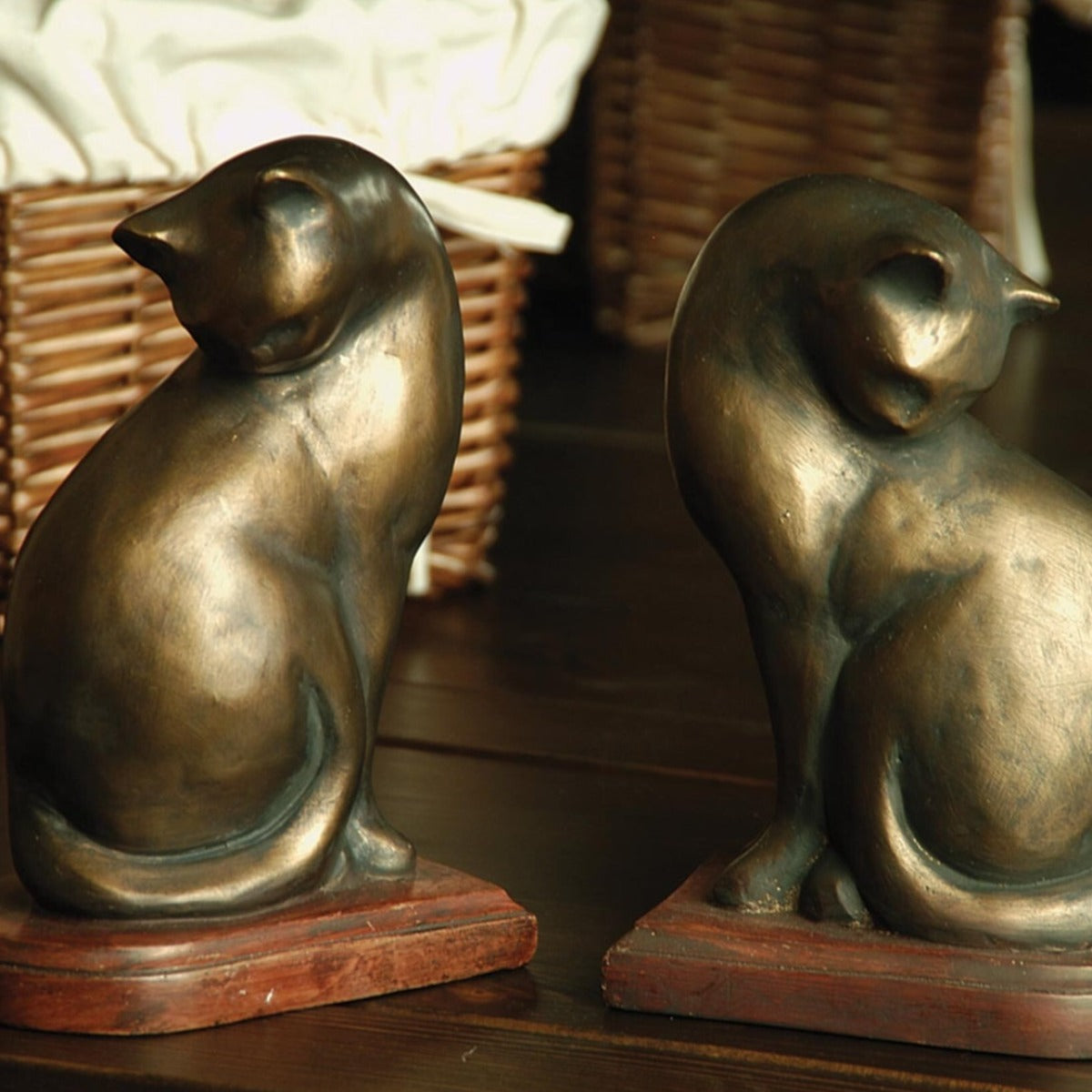
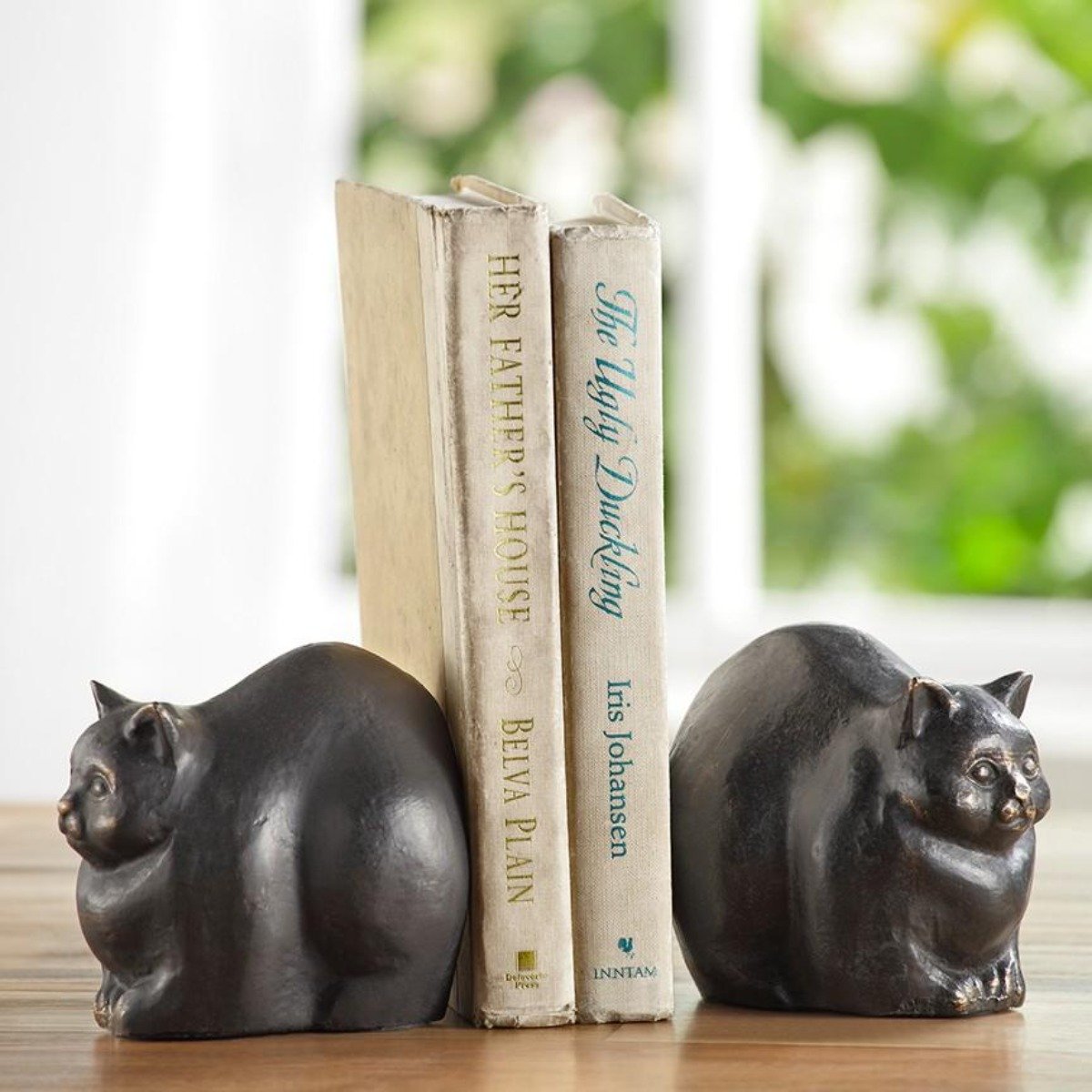
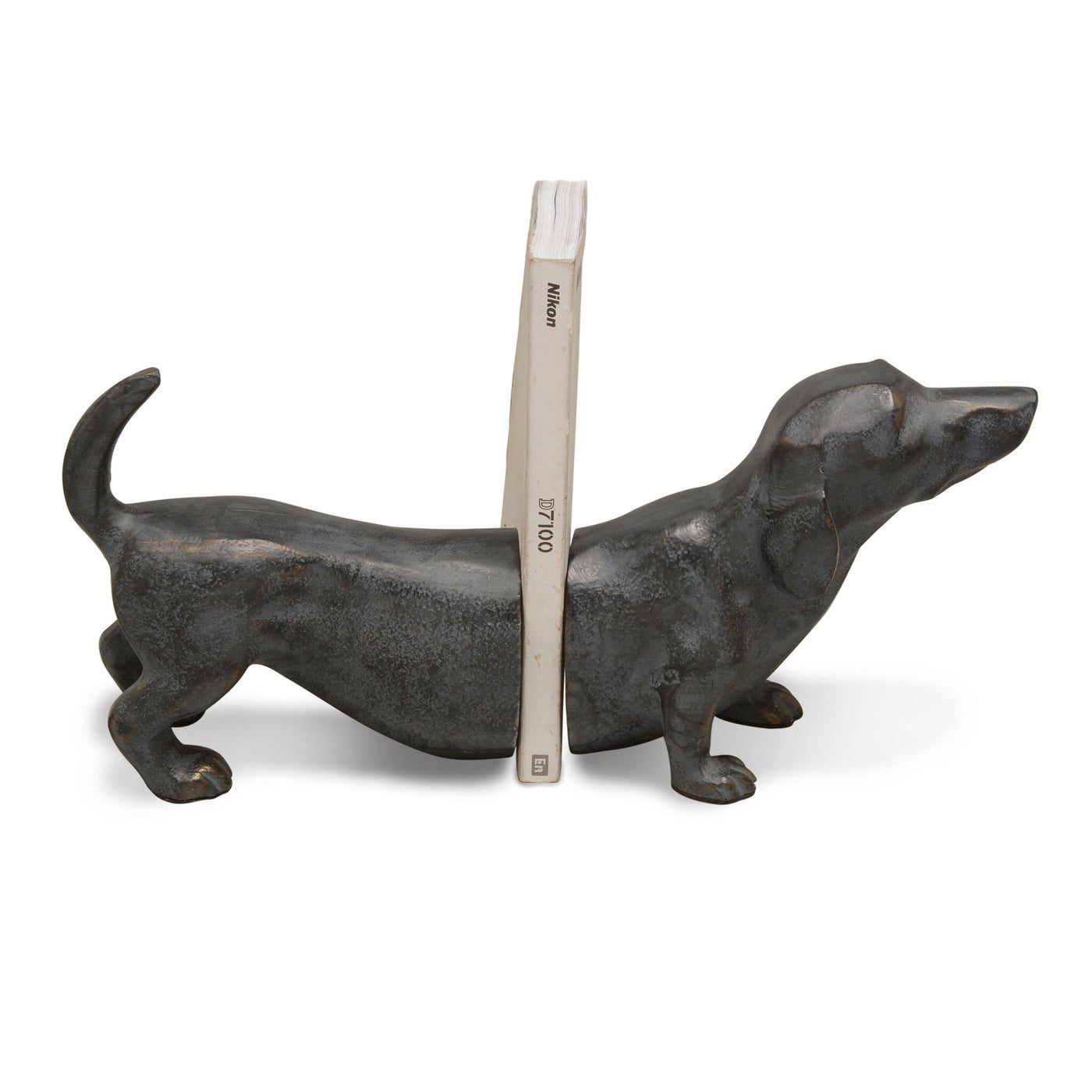
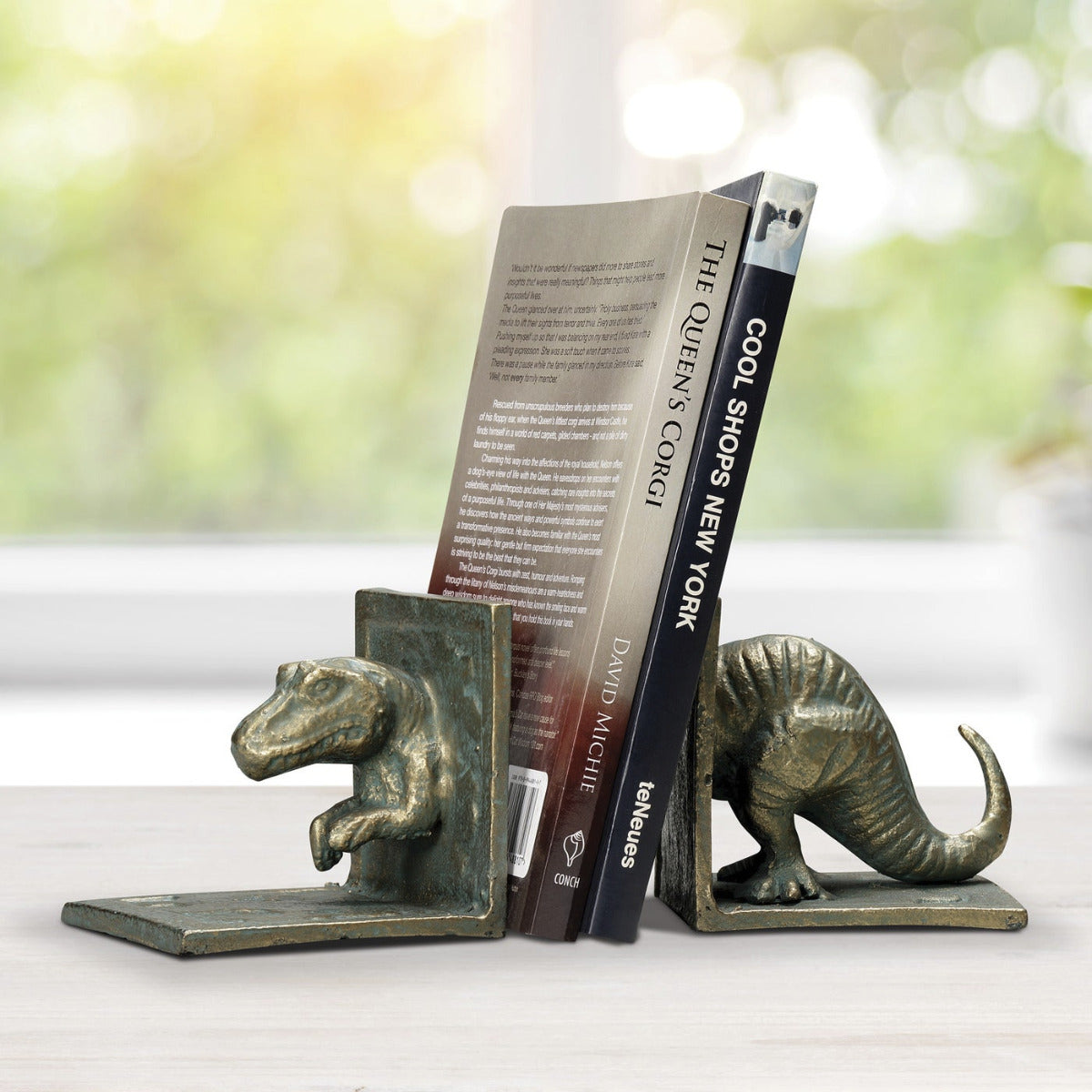
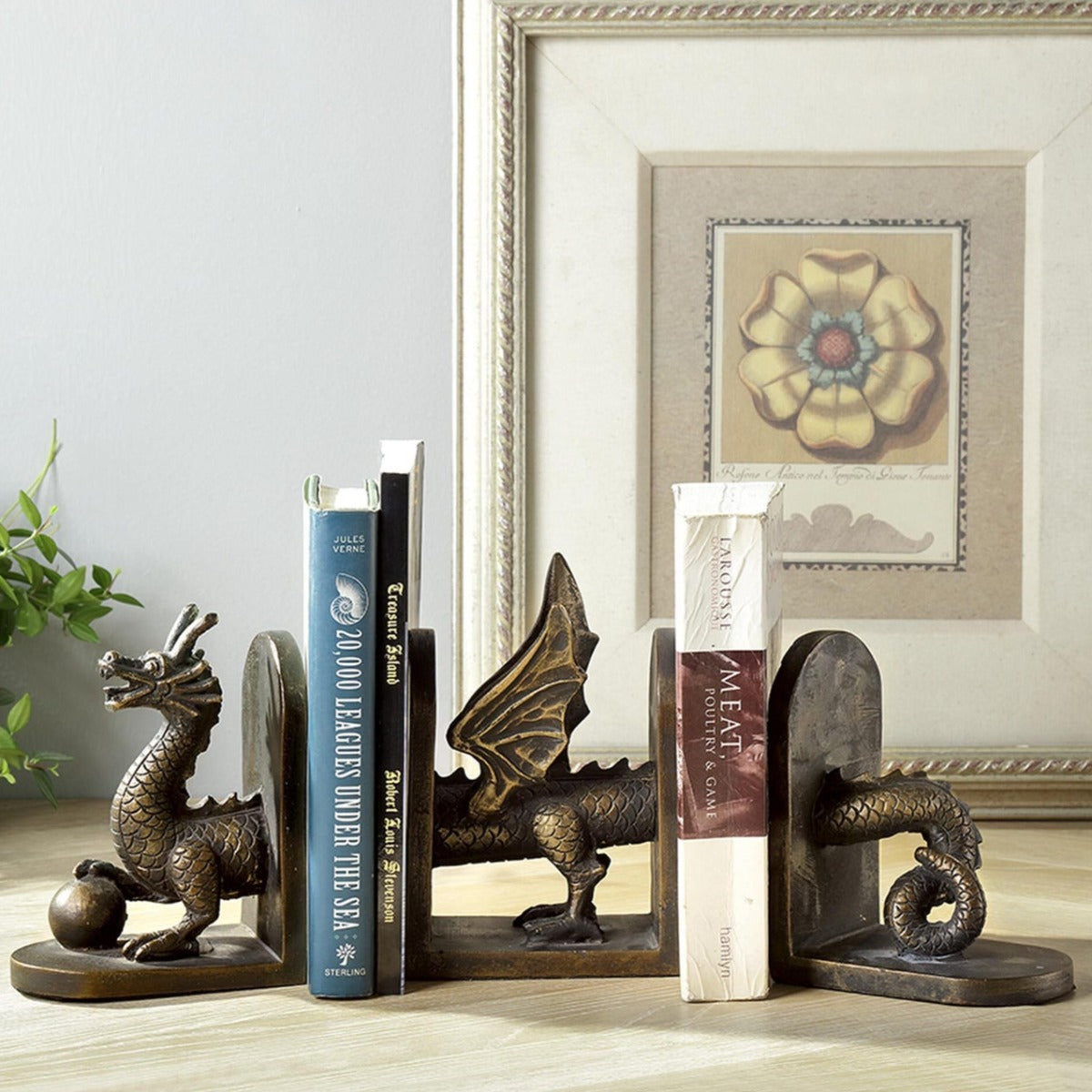
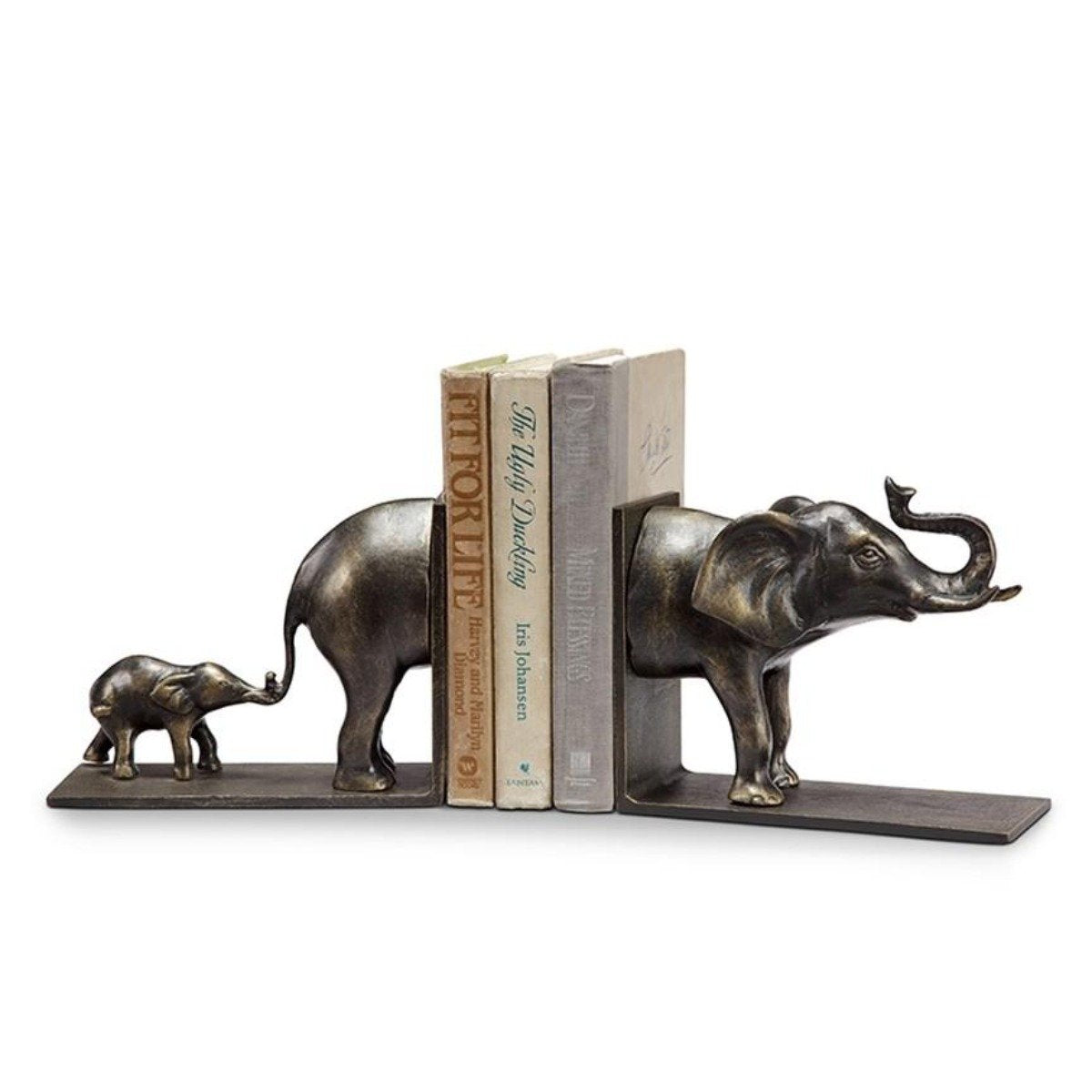
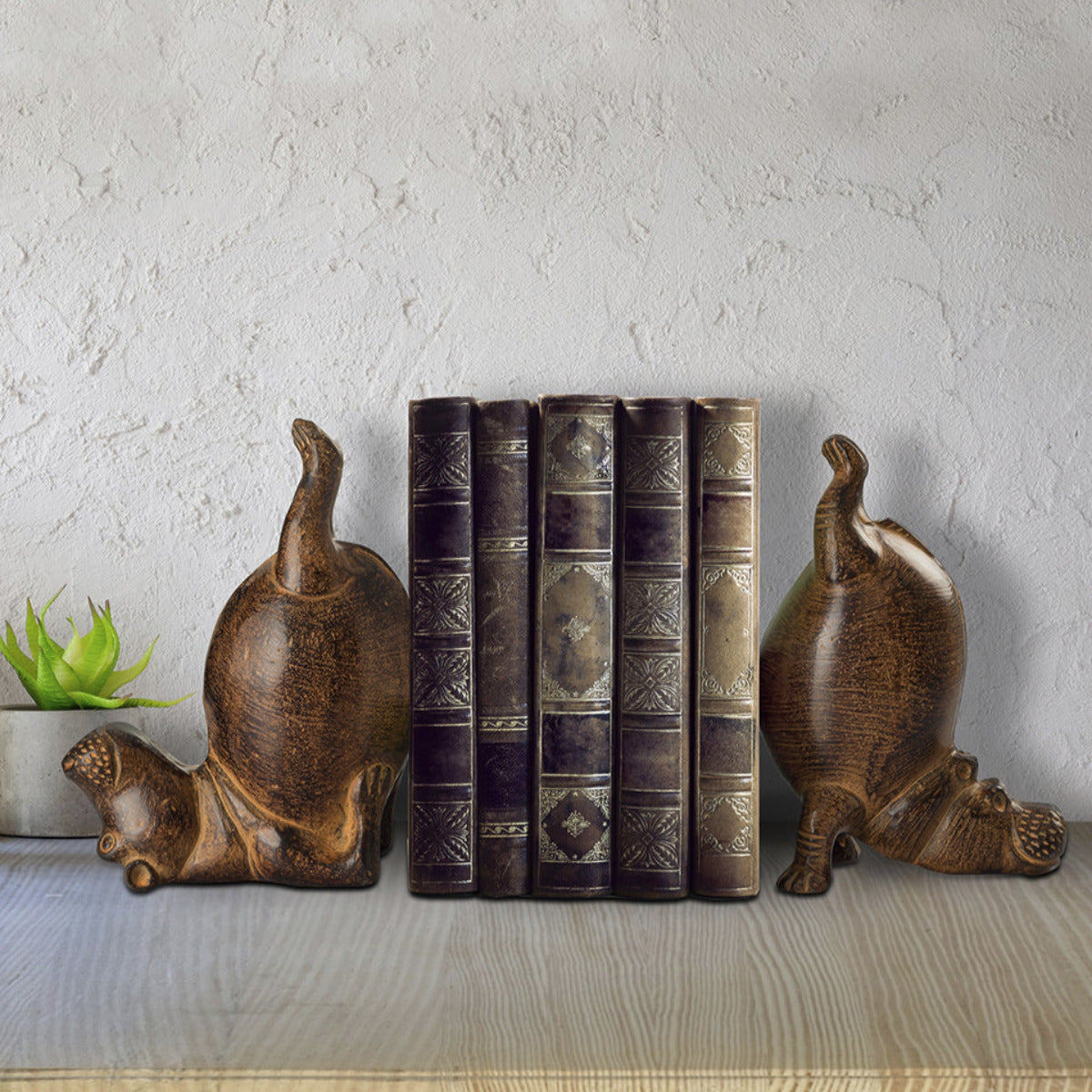
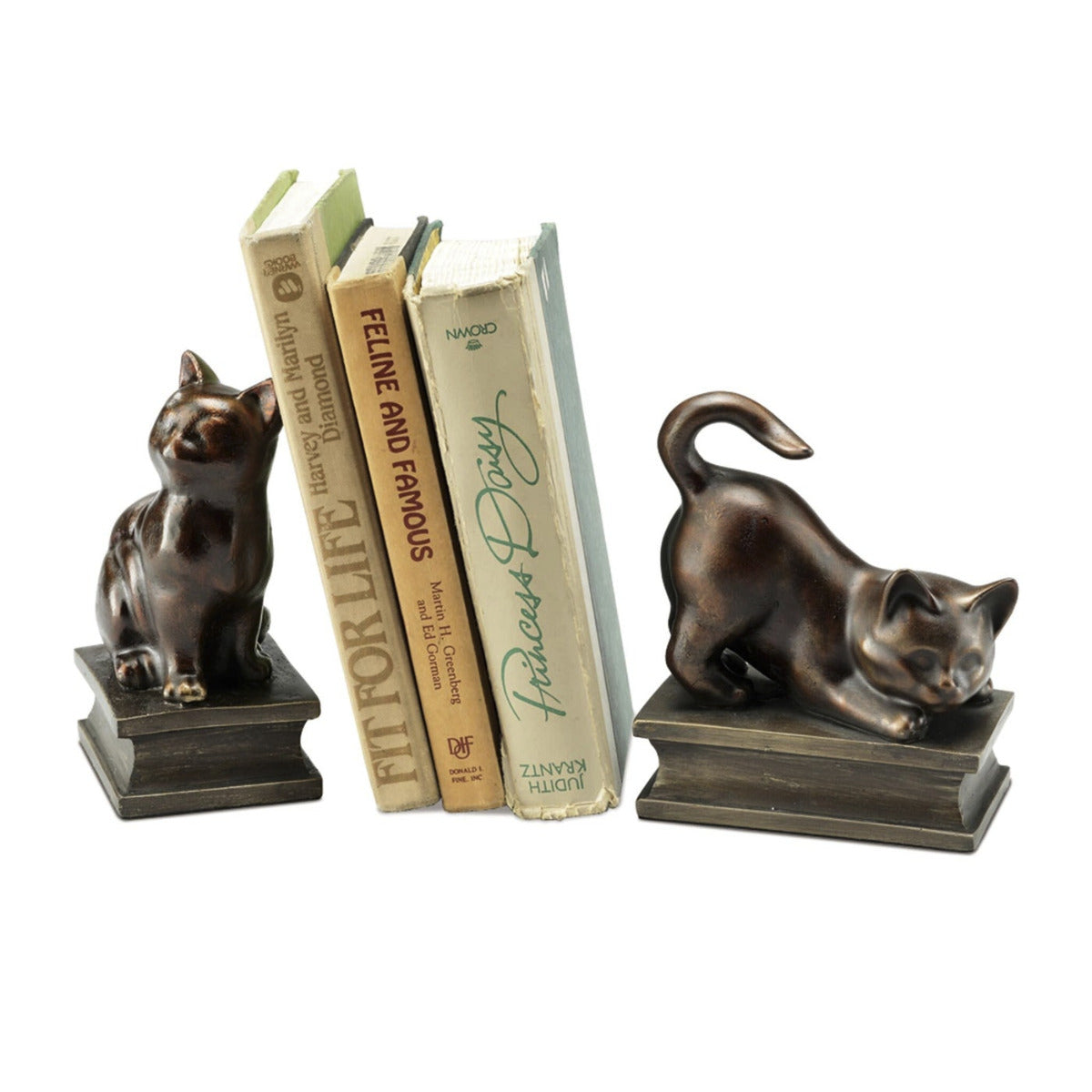
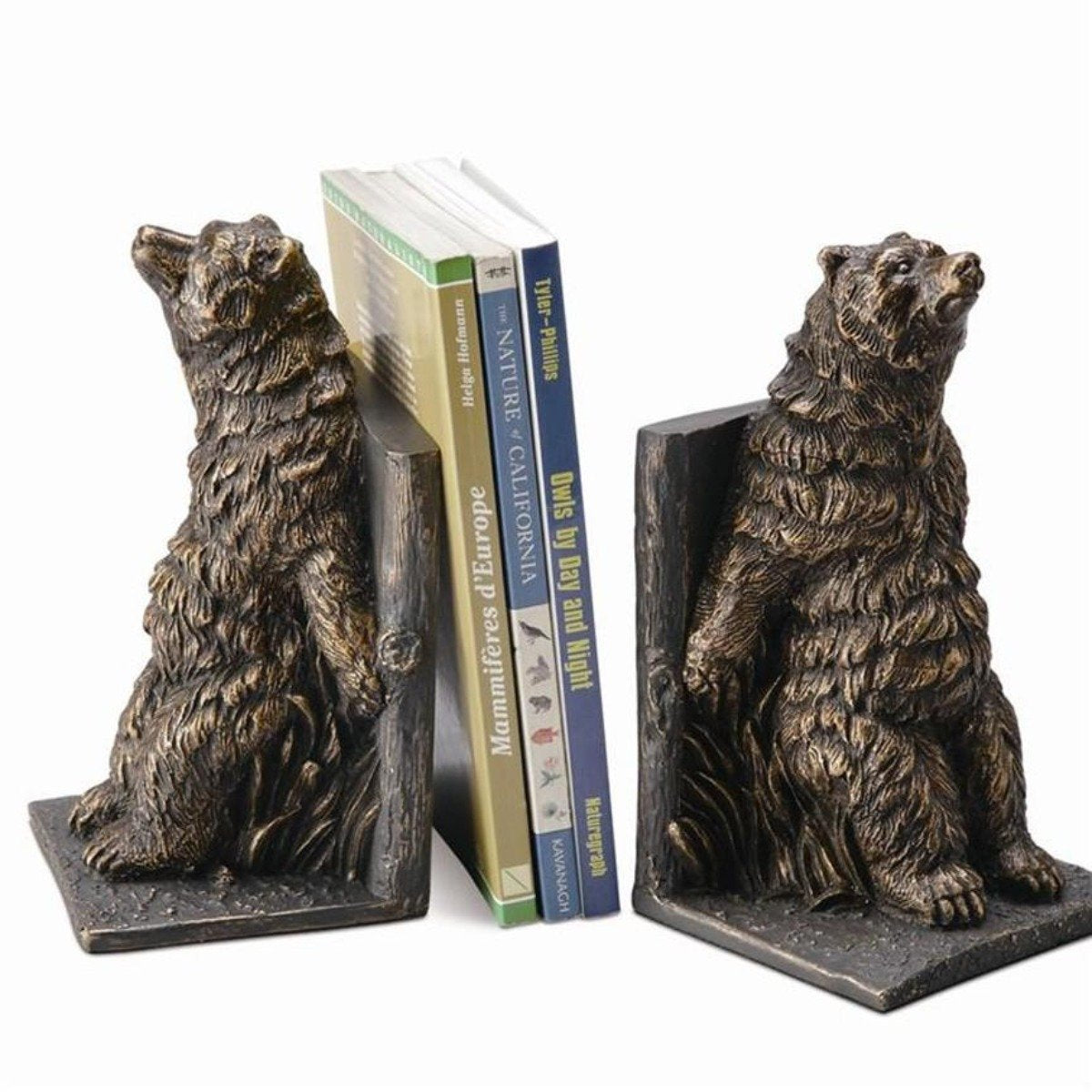
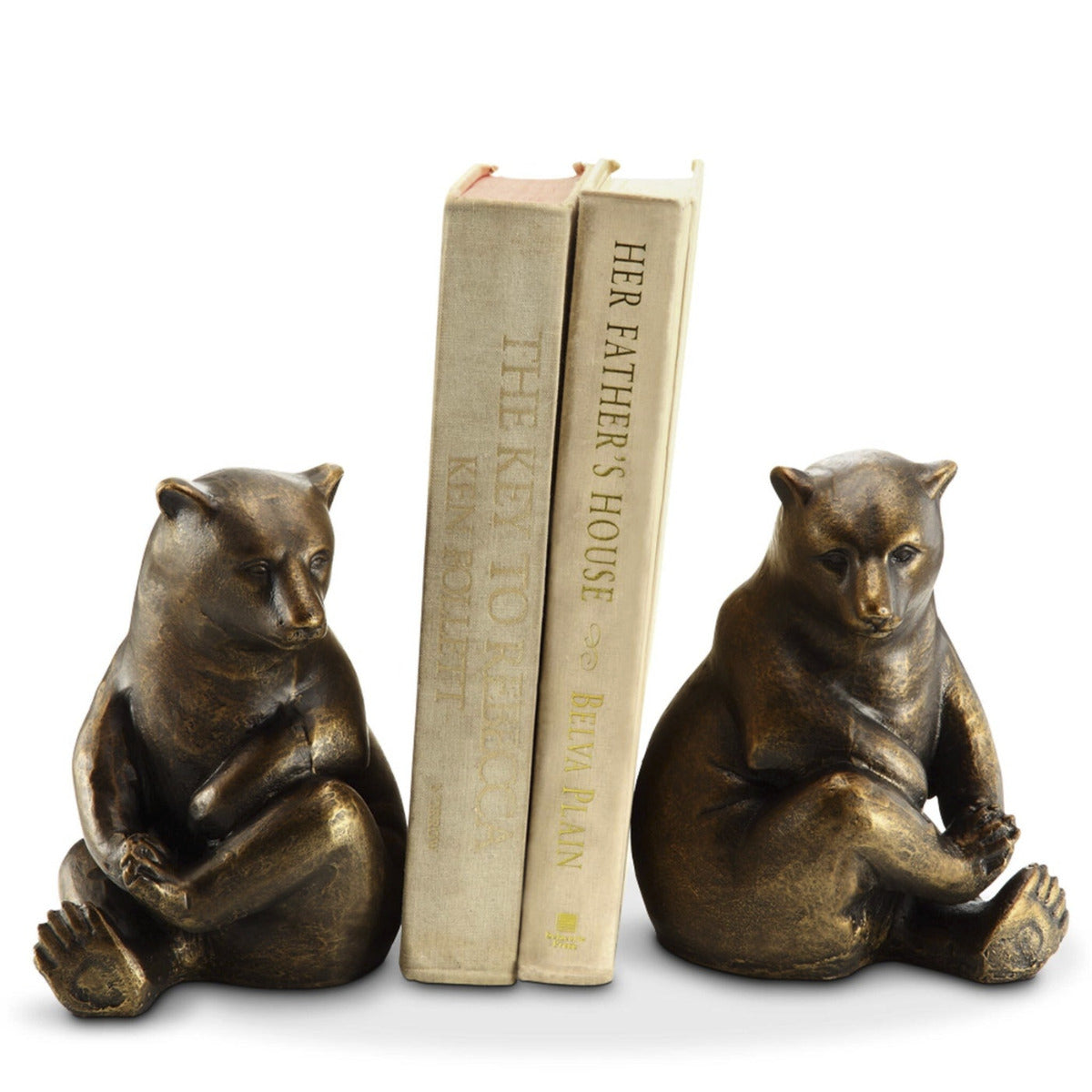
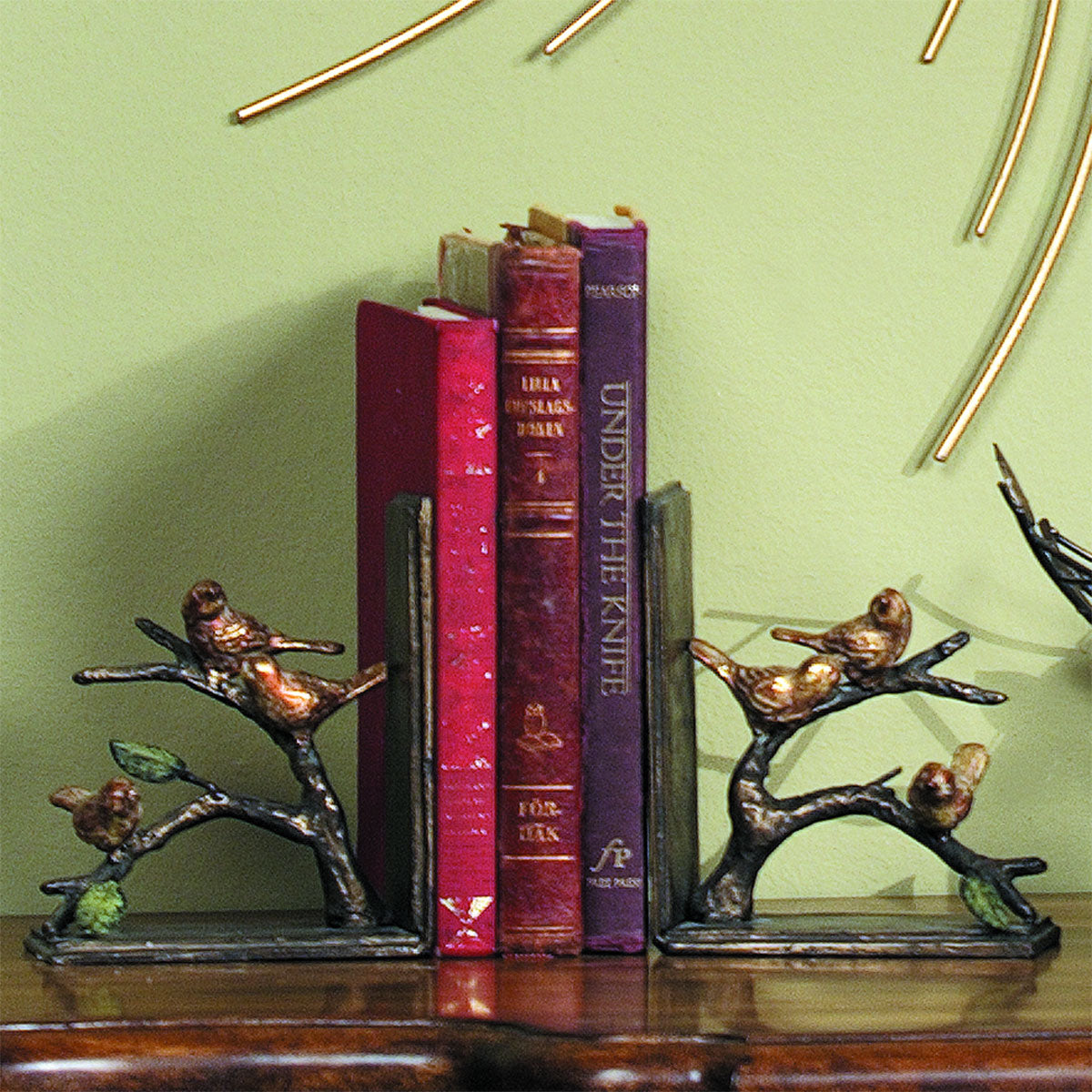
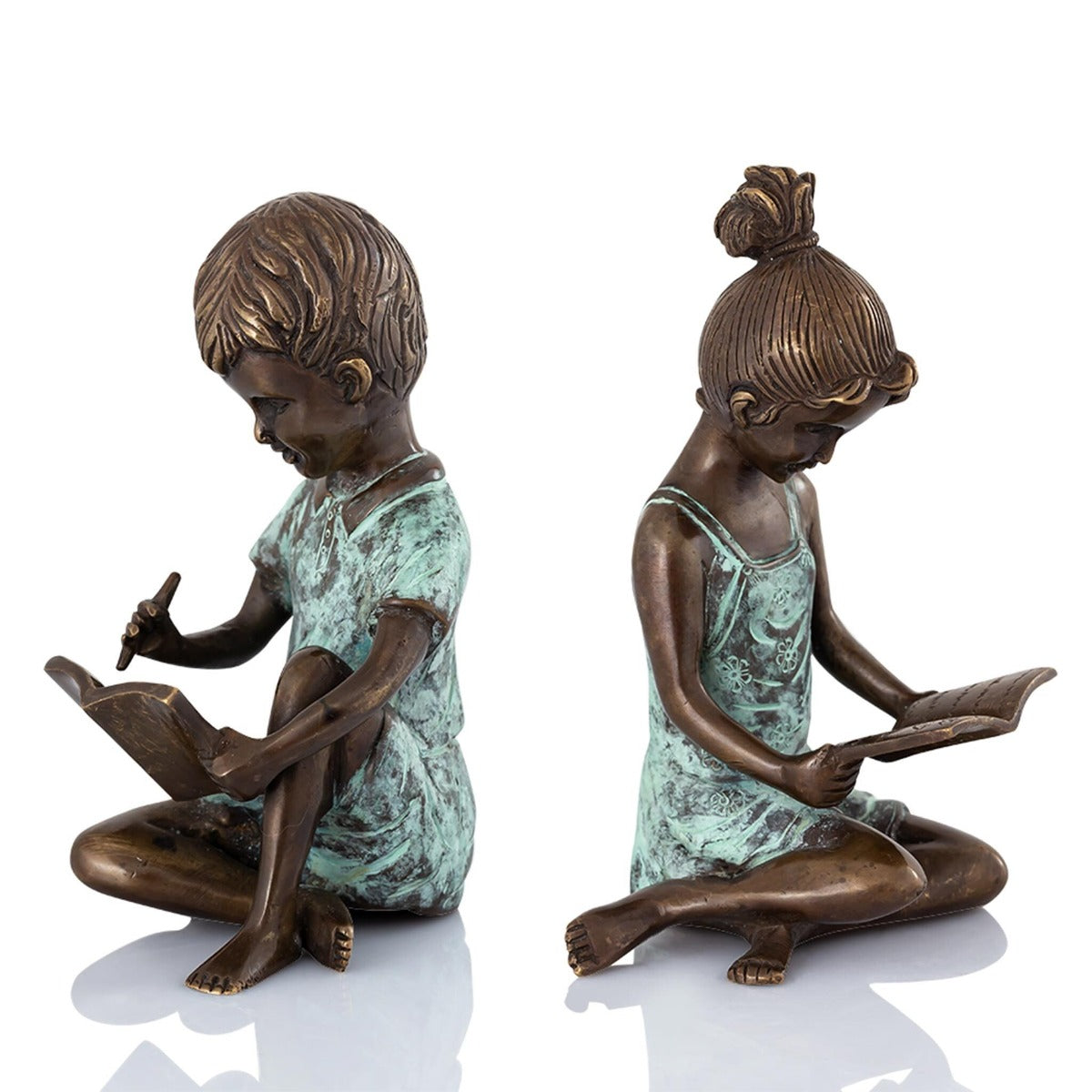
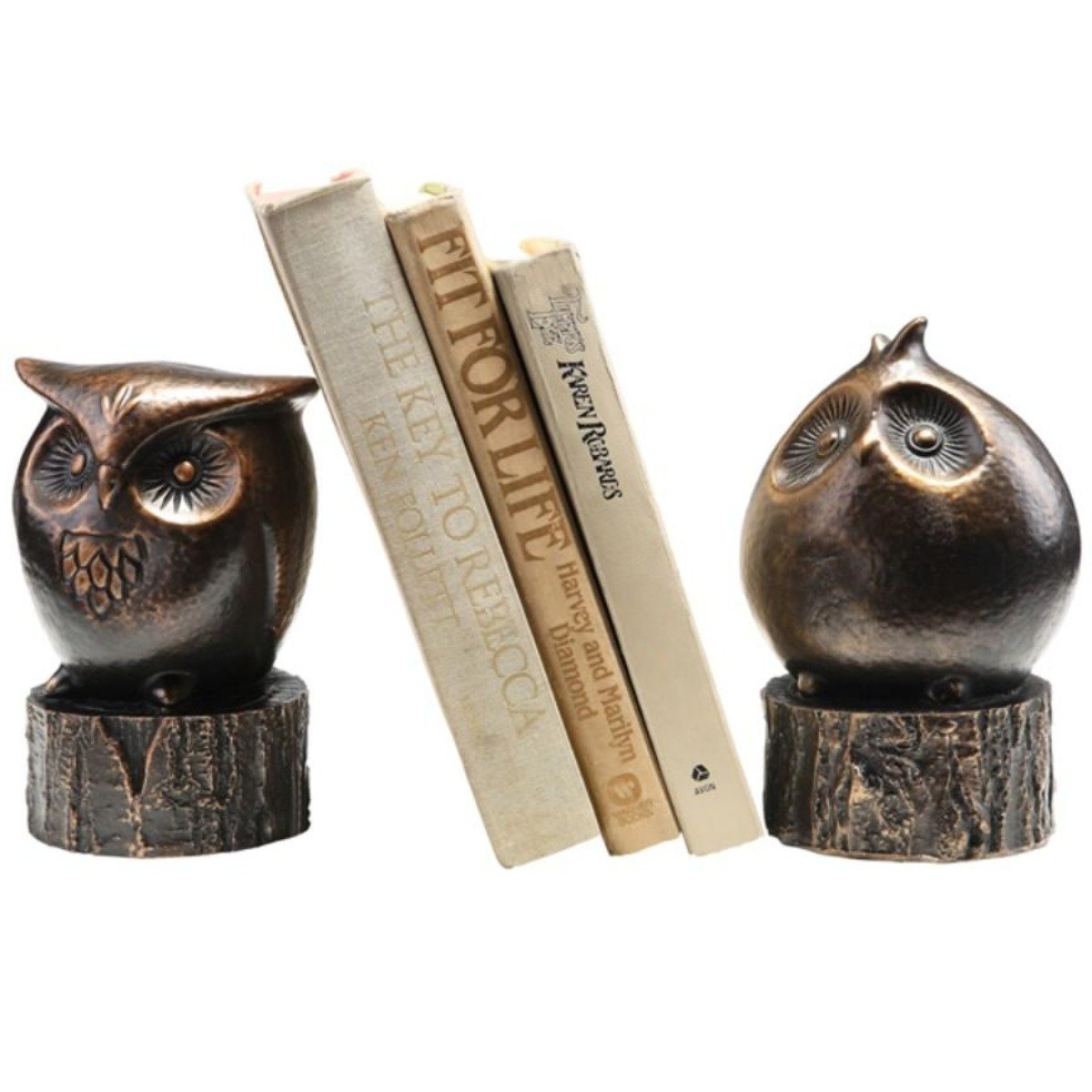
Bookends keep a shelf in order, but they do not have to disappear behind the books. Cast iron figures, animals, sculptural characters and decorative forms can turn an ordinary row of books into part of the room's design.
Explore cast iron bookends, metal bookends and sculptural designs in iron, aluminum, resin and other materials—from rabbits, cats and bears to classical figures, nautical forms and distinctive pieces made to start a conversation.
Before ordering: review the dimensions, total weight, material, finish and whether the design is sold as a pair, set or individual piece on the product page.
Useful Sculpture
A good bookend has two jobs. It needs enough stability to support the books beside it, but it also occupies valuable visual space on the shelf. That makes material, silhouette and personality just as important as function.
Cast iron is particularly well suited to bookends because its natural weight can help support a row of books while allowing the form itself to become decorative. Other materials such as aluminum and resin make it possible to create larger or more detailed sculptural designs without every piece becoming excessively heavy.
A Longtime Favorite
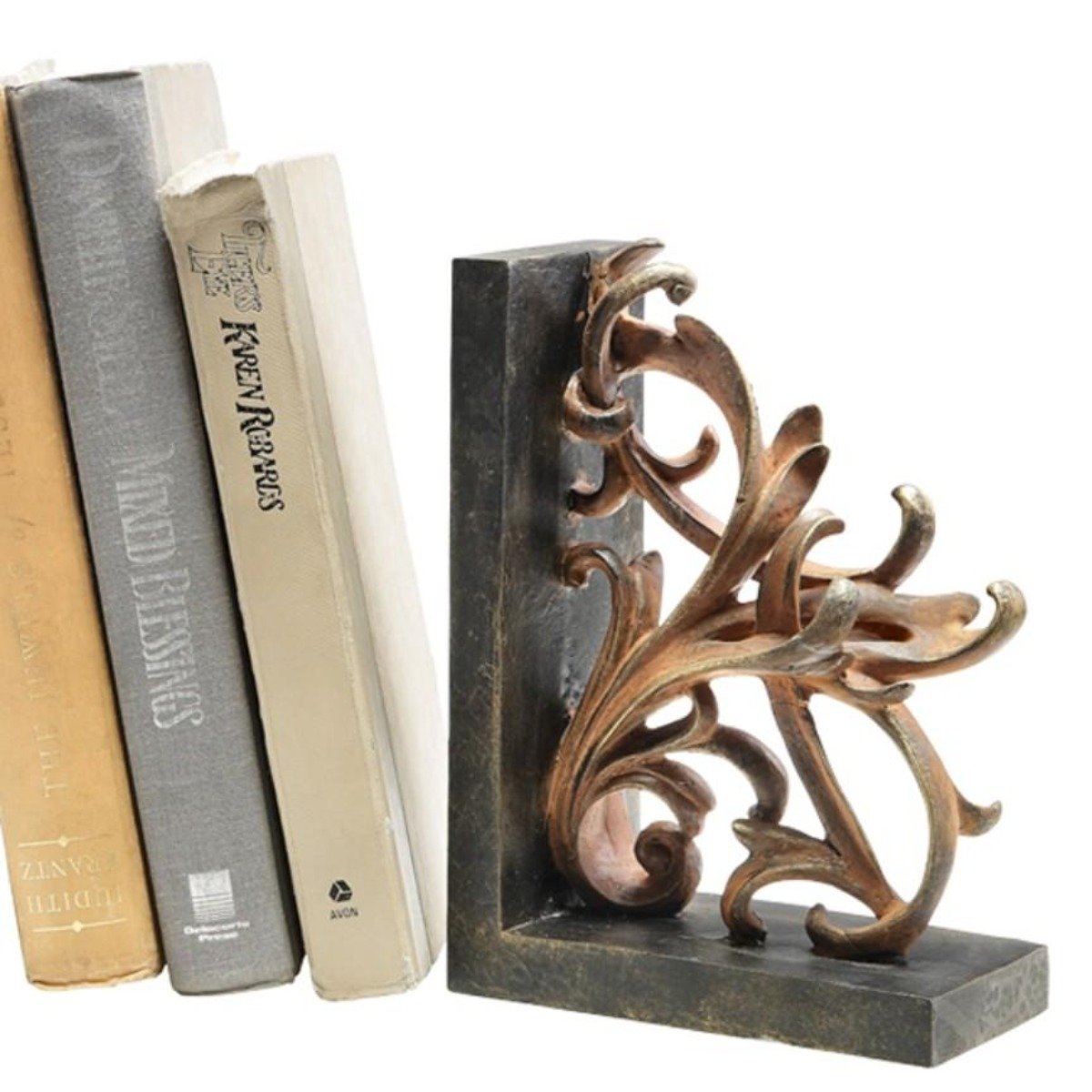
Iron bookends can feel architectural, whimsical or traditional depending on the form—from simple scrolls to sculptural animals and figural designs.
Cast iron gives a relatively compact bookend useful weight, which can help stabilize books without requiring an oversized base. Exact weight varies considerably by design.
Dark iron tones, bronzed surfaces and antiqued finishes work naturally with wood shelves and older books while also adding contrast to cleaner contemporary shelving.
Many decorative cast iron bookends borrow the character of older objects, but that does not make them antiques. If you are looking for a genuinely antique pair, confirm age and provenance rather than relying on an aged finish alone.
The Shelf Can Have a Sense of Humor
Sculptural bookends can reflect an interest, tell a small story or simply introduce something unexpected between more serious rows of books.
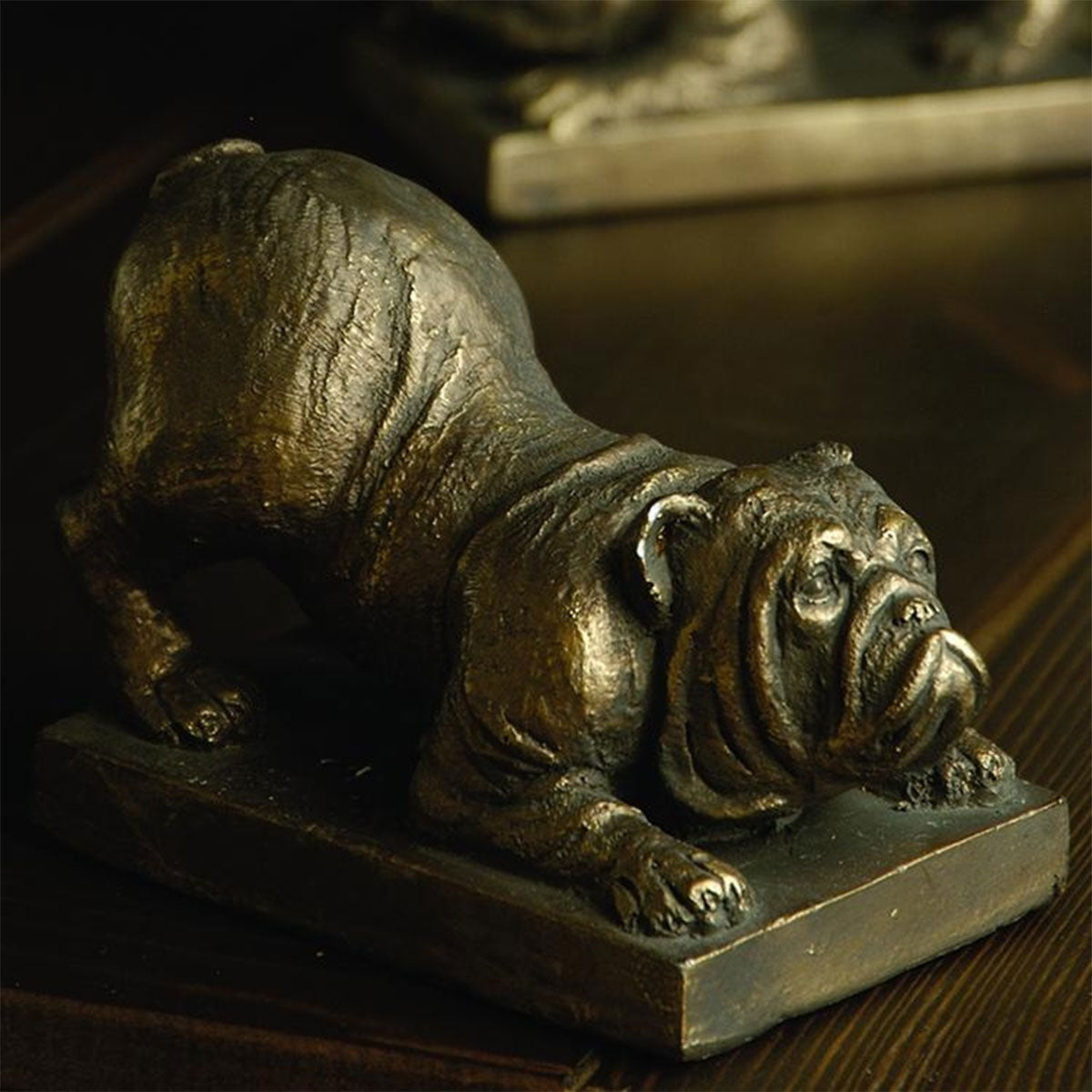
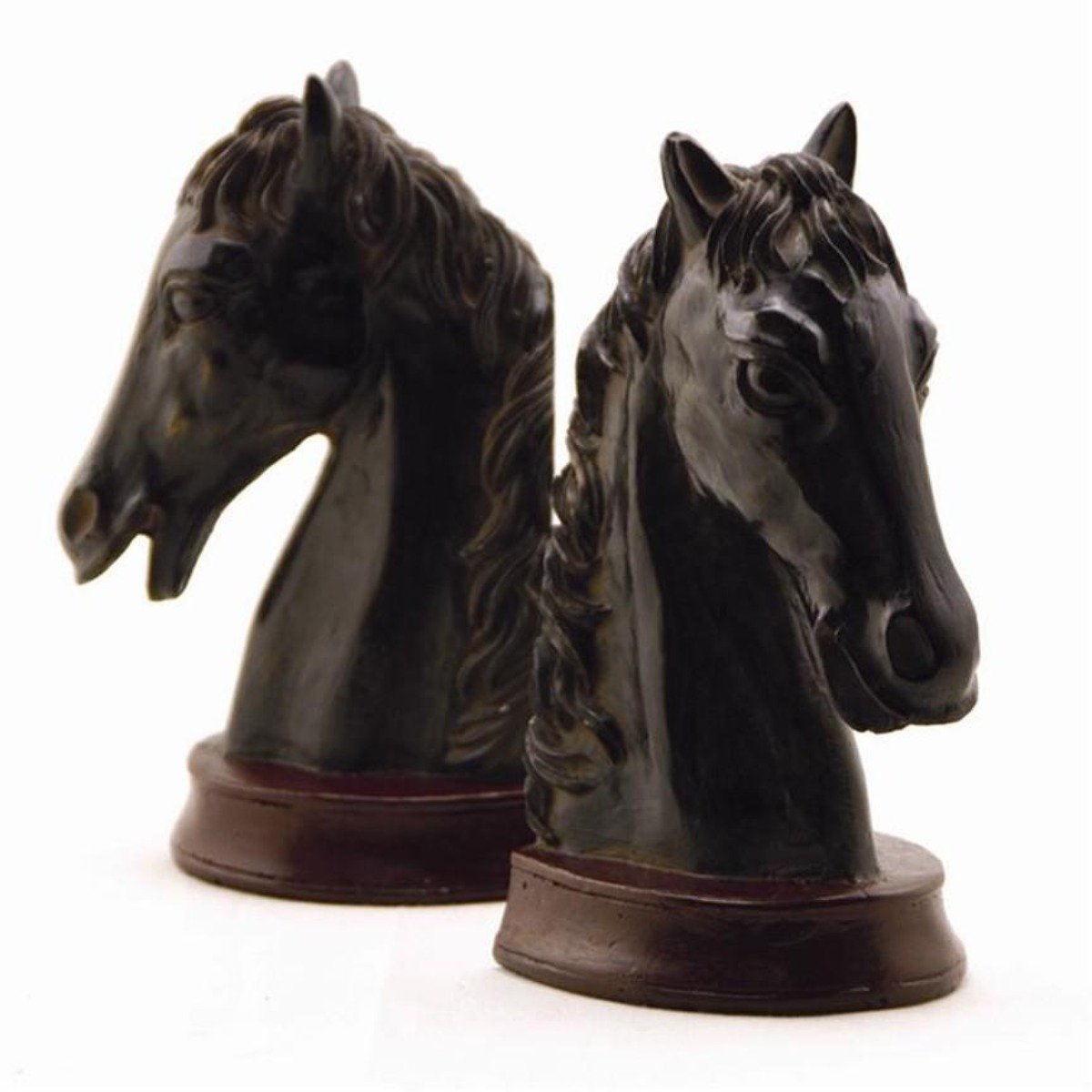
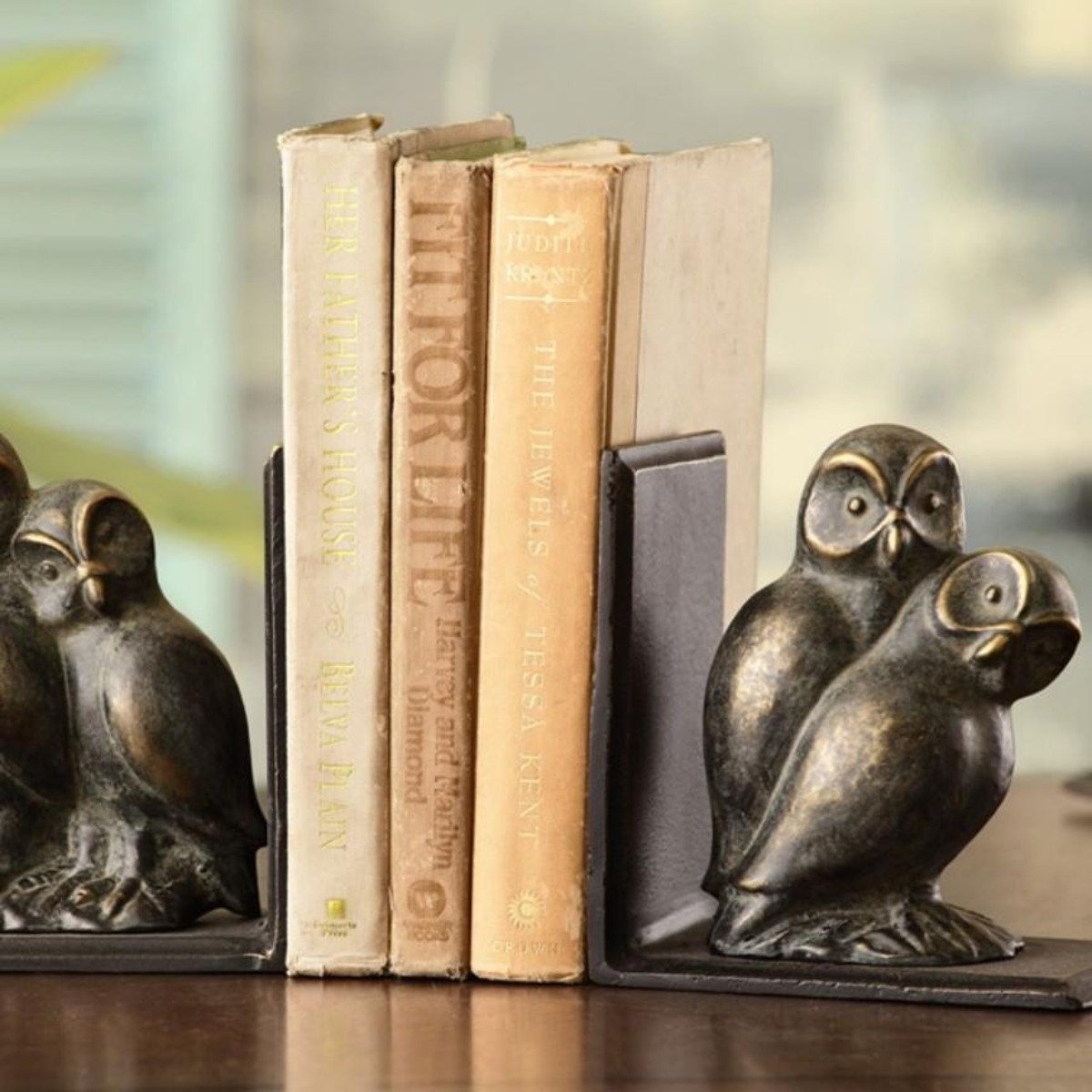
Cats, dogs, rabbits, bears, owls, horses, elephants and other animals bring recognizable silhouettes to shelves and are an easy way to choose a pair around someone's interests.
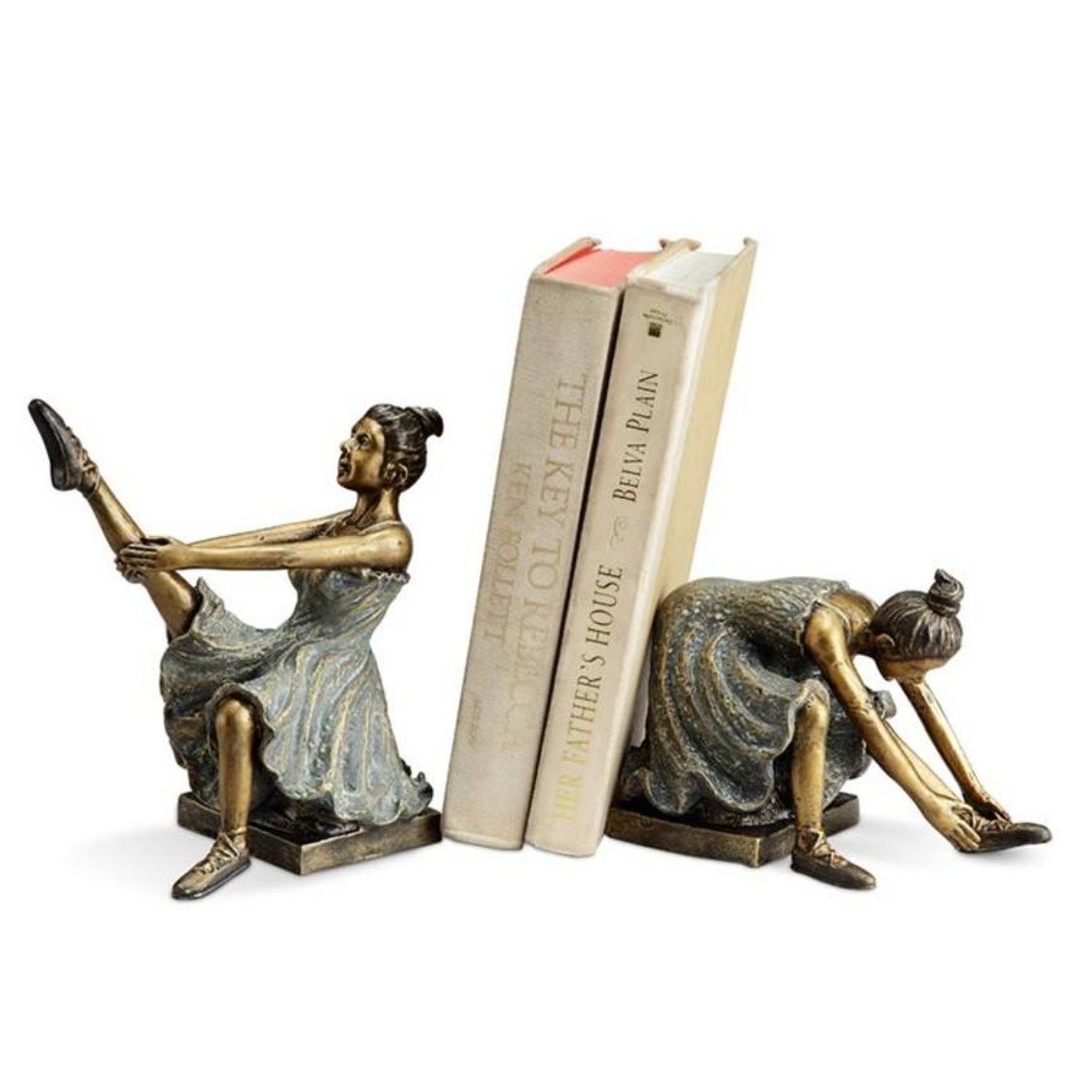
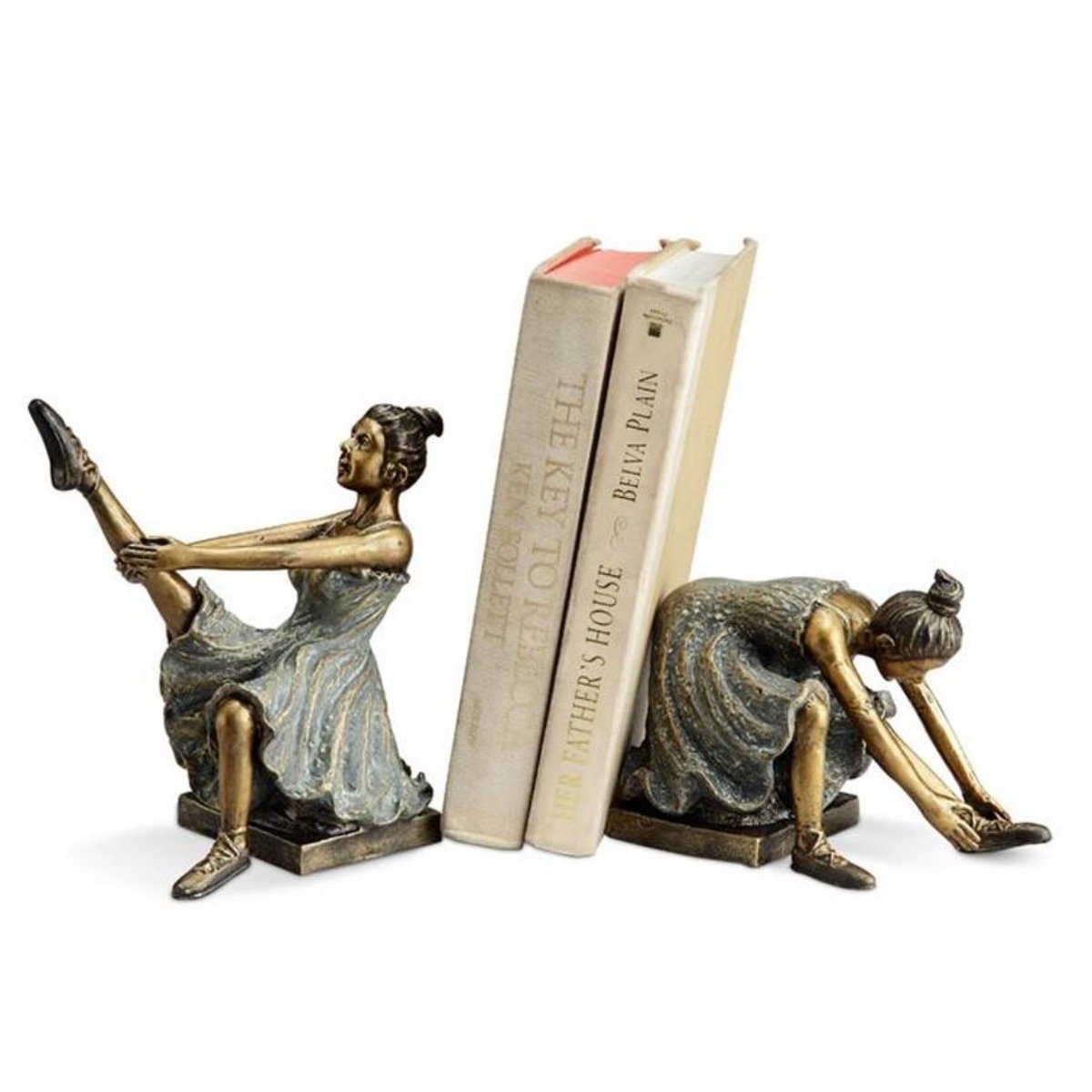
Ballerinas, working figures and other sculptural characters turn the space at either end of a book row into a small scene rather than merely a support.
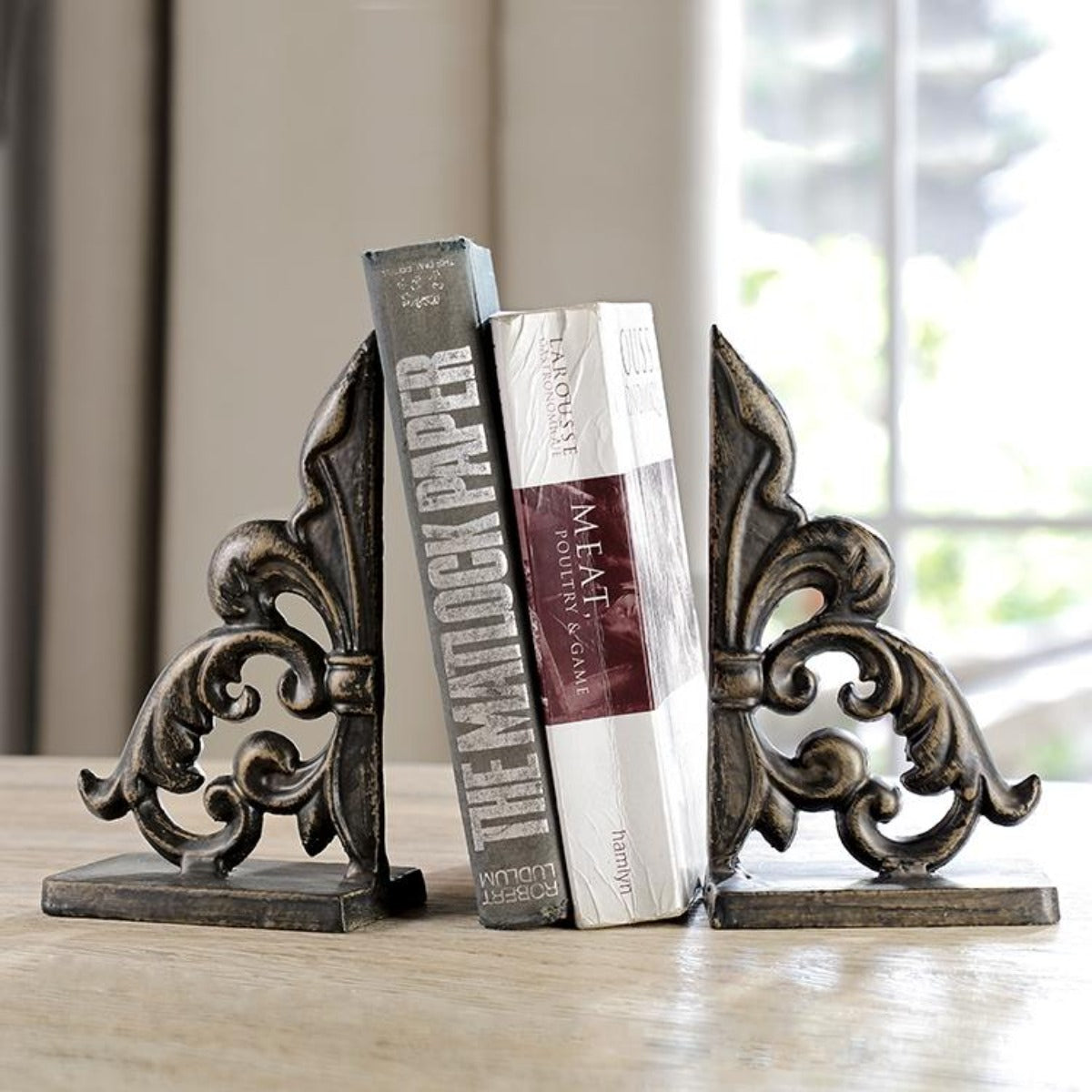
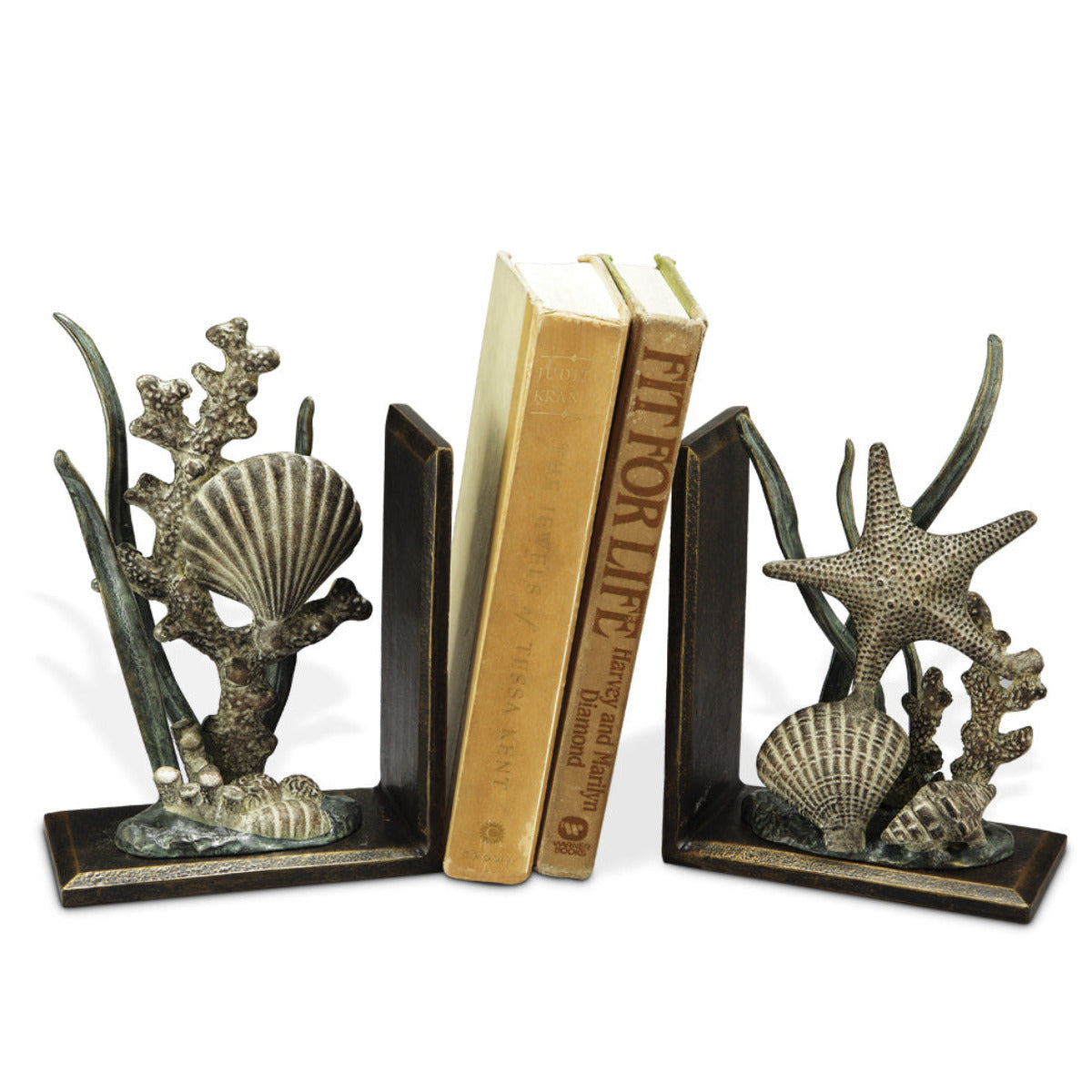
Shells, fleur-de-lis motifs, scrolls and other recognizable forms can reinforce a room's character without requiring every piece on the shelf to follow the same theme.
Choosing for the Books You Actually Own
Material helps, but a heavy bookend is not automatically the right choice for every shelf. Base shape and the way the books press against the piece matter too.
Taller hardcover books create more leverage than compact paperbacks. Look for a substantial base and enough weight to resist sliding on the shelf when the row is not completely full.
Decorative bookends can keep cookbooks organized on an open kitchen shelf or counter. Consider moisture, grease and cleaning requirements when placing finished metal or resin decor close to active cooking areas.
Heavy cast iron pieces can mark delicate painted, glass or highly polished shelves if they are dragged across the surface. Felt pads or other appropriate surface protection can help where needed.
Need the Book Open Instead?
Bookends organize cookbooks when they are stored upright. A cookbook stand serves a different purpose—holding an open cookbook, tablet or recipe at a comfortable viewing angle while you work in the kitchen.
Material Affects Both Look & Weight
The collection includes several materials rather than only iron. Review the specifications for each pair when material, weight or finish is important to the way you plan to use it.
Dense and naturally substantial, cast iron works especially well when a compact bookend needs useful weight as well as sculptural detail.
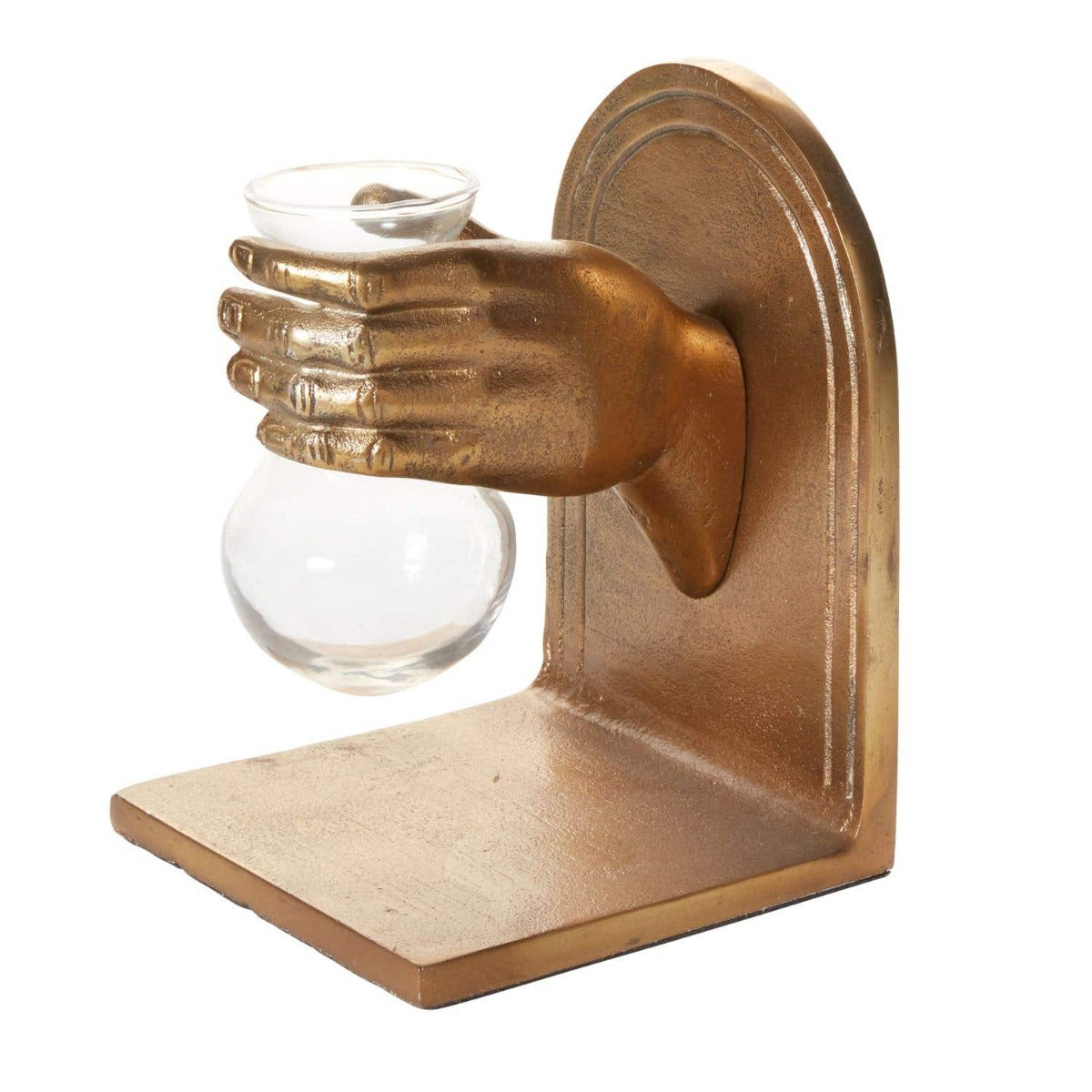
Aluminum and other metal designs can create larger forms at a different weight than cast iron and may use polished, antiqued or textured finishes.
Resin allows detailed figures and unusual shapes while still providing enough substance for many decorative bookend designs. The material and weight should always be checked individually.
Beyond the Library
Bookshelves and libraries are the obvious home for bookends, but they do not need to sit at the outer edge of every shelf. Use a pair to divide a longer run of books or create a smaller collection within a larger bookcase.
Desks and home offices benefit from heavier bookends that keep reference books and notebooks accessible without turning the workspace into a leaning stack.
Kitchen shelves and counters are useful places for cookbook bookends, particularly when frequently used volumes are kept outside a cabinet.
Children's rooms and bedrooms are natural places for animals and playful figural bookends that make the bookshelf feel more personal without sacrificing function.
Product measurements are not always presented the same way. Review the individual listing carefully, especially when shelf height or depth is limited.
Common Questions
Cast iron is naturally dense, which can make it a good material for supporting heavier books. The effectiveness of a particular pair also depends on its total weight, base shape, height and the type of shelf, so compare the individual specifications with the books you plan to support.
No. Cast iron is formed by pouring molten iron into a mold, while wrought or forged iron is worked and shaped differently. The terms are sometimes used loosely when describing decorative iron pieces, so check the individual product's listed material when the distinction matters.
No. The collection includes cast iron bookends as well as aluminum, resin and other sculptural materials. Material and weight are listed on the individual product page.
Cookbooks are often taller and heavier than ordinary paperbacks, so look for a stable base, adequate weight and a height that supports the books comfortably. For an open cookbook that you are actively reading while cooking, a cookbook stand is generally more useful than a bookend.
Not necessarily. New cast iron bookends can have antiqued, distressed or vintage-inspired finishes. A decorative style that looks old does not establish that the piece is an antique. Confirm actual age and provenance when shopping specifically for antique bookends.
Many bookend designs are sold as a pair or set, but do not assume that every item is packaged the same way. Check the “Contains” information or product description to see exactly what is included.
There is no single ideal weight. A short row of paperbacks may require relatively little support, while tall hardcovers or cookbooks can benefit from a heavier pair with a broad, stable base. Shelf surface and friction also affect how easily the bookends slide.
Yes. Many animal and figural bookends are sculptural enough to work as decorative objects on their own, particularly on desks, consoles and shelves where their form can be seen from several angles.
Continue Shopping