Your Cart is Empty

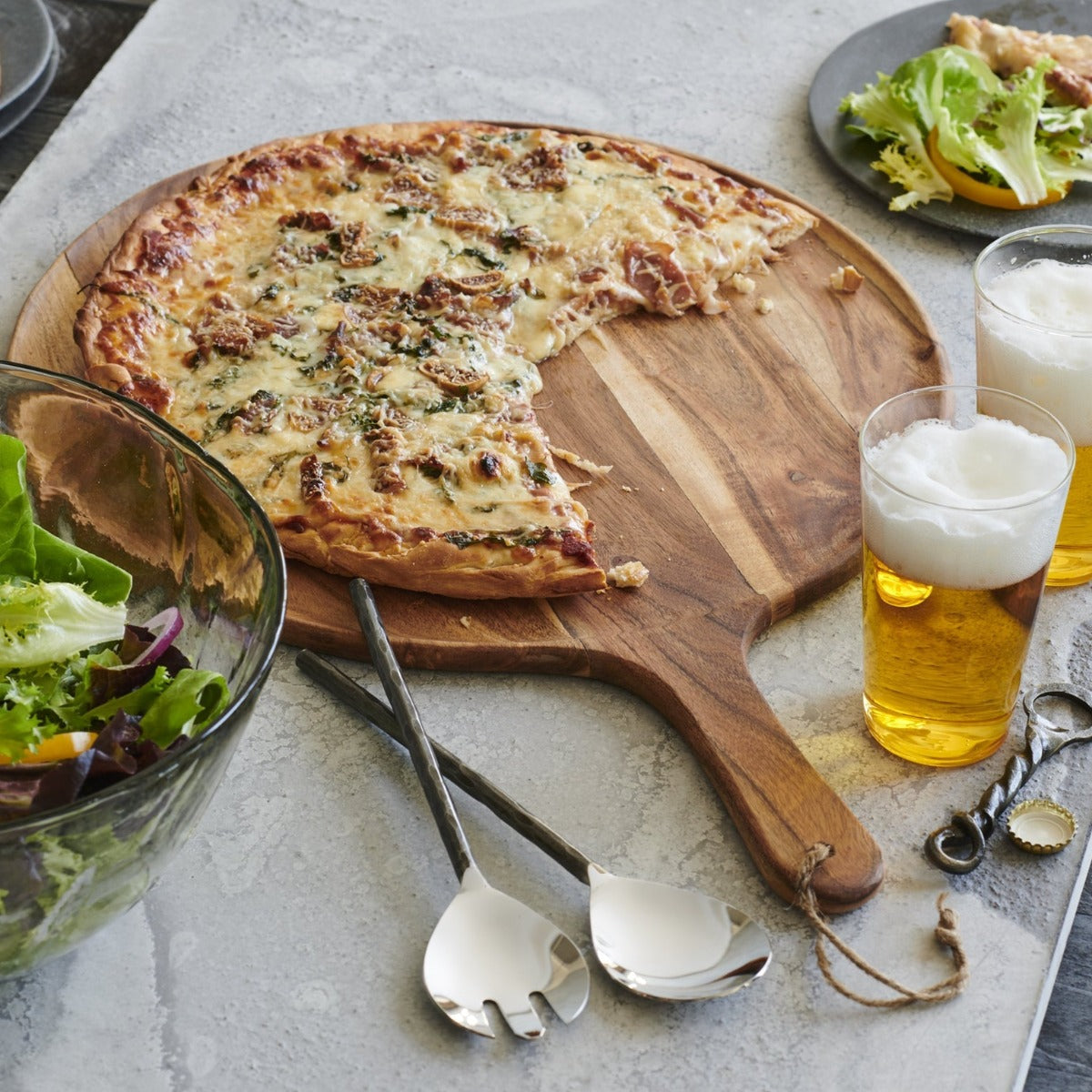
Servingware turns prepared food into something meant to be shared. A generous bowl at the center of the table, a platter carried in from the kitchen, a board set out for bread and cheese or a pitcher passed from one guest to another all help establish the rhythm of a meal.
Explore servingware, serving dishes and specialty serving pieces including bowls, trays and platters, serving utensils, bread and cheese boards, cake and dessert servers, and beverage service. Materials range from ceramic and glass to wood, stainless steel, iron and other metals, allowing the serving pieces to add texture and personality as well as function.
Choose pieces for the foods and drinks you actually serve, then consider how easily they can move from kitchen to table, how much storage they require and whether their materials and care needs suit everyday use or special occasions.
Start with what you are serving—salads and sides, appetizers, breads and cheeses, desserts, beverages or the utensils needed to portion and pass the food.

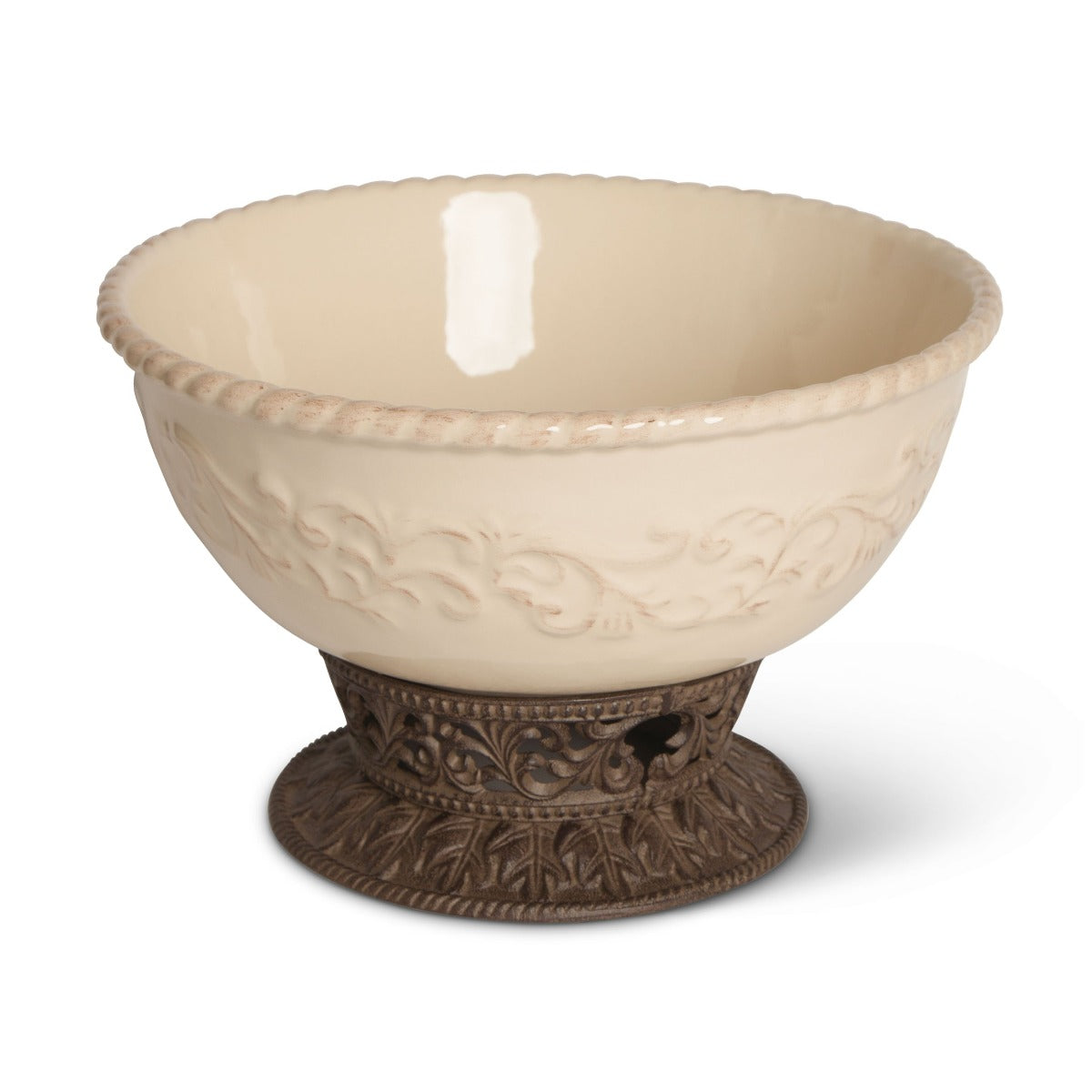
Bowls for salads, pasta, side dishes, dips and shared family-style meals, with decorative forms that can move from serving to display.
Shop Serving Bowls →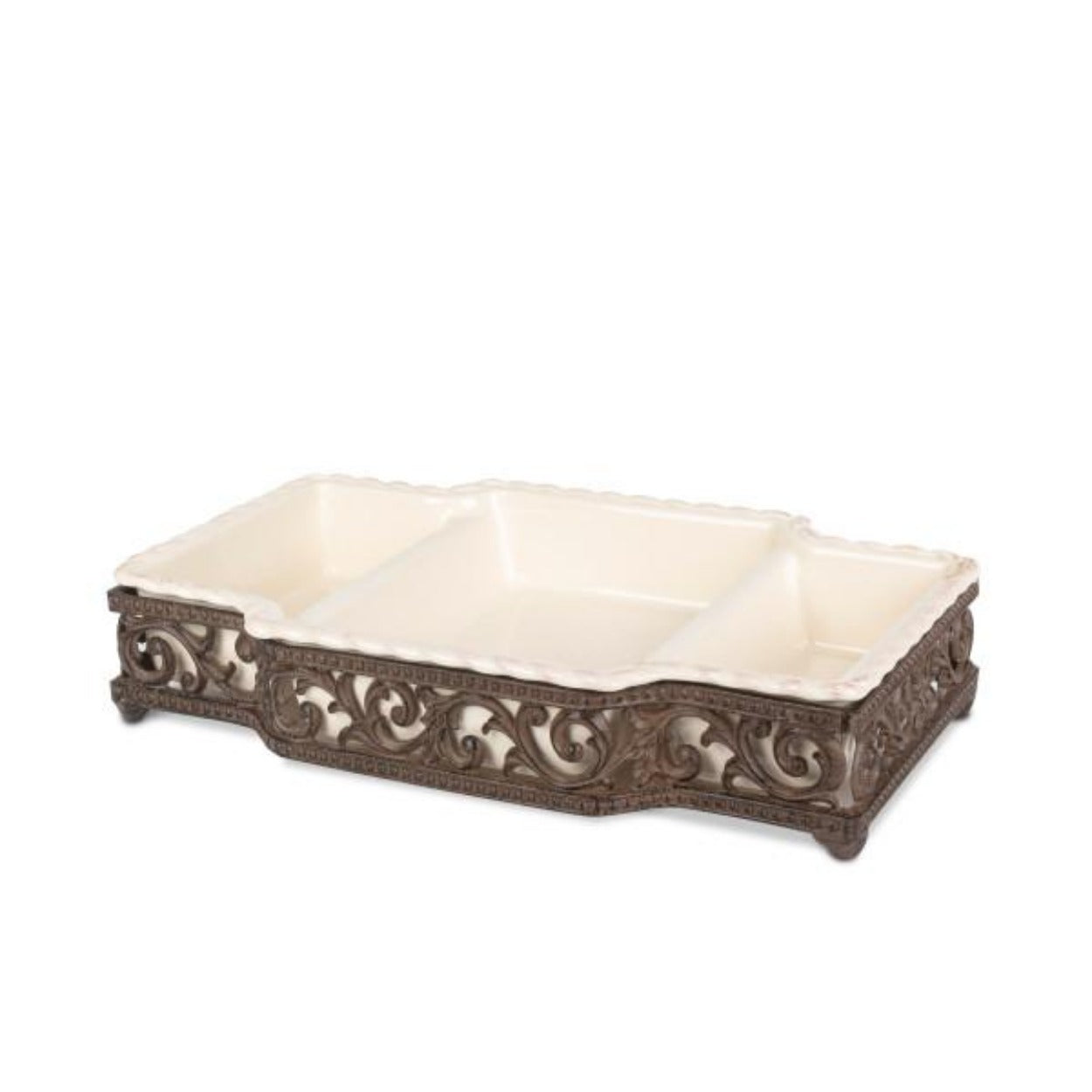
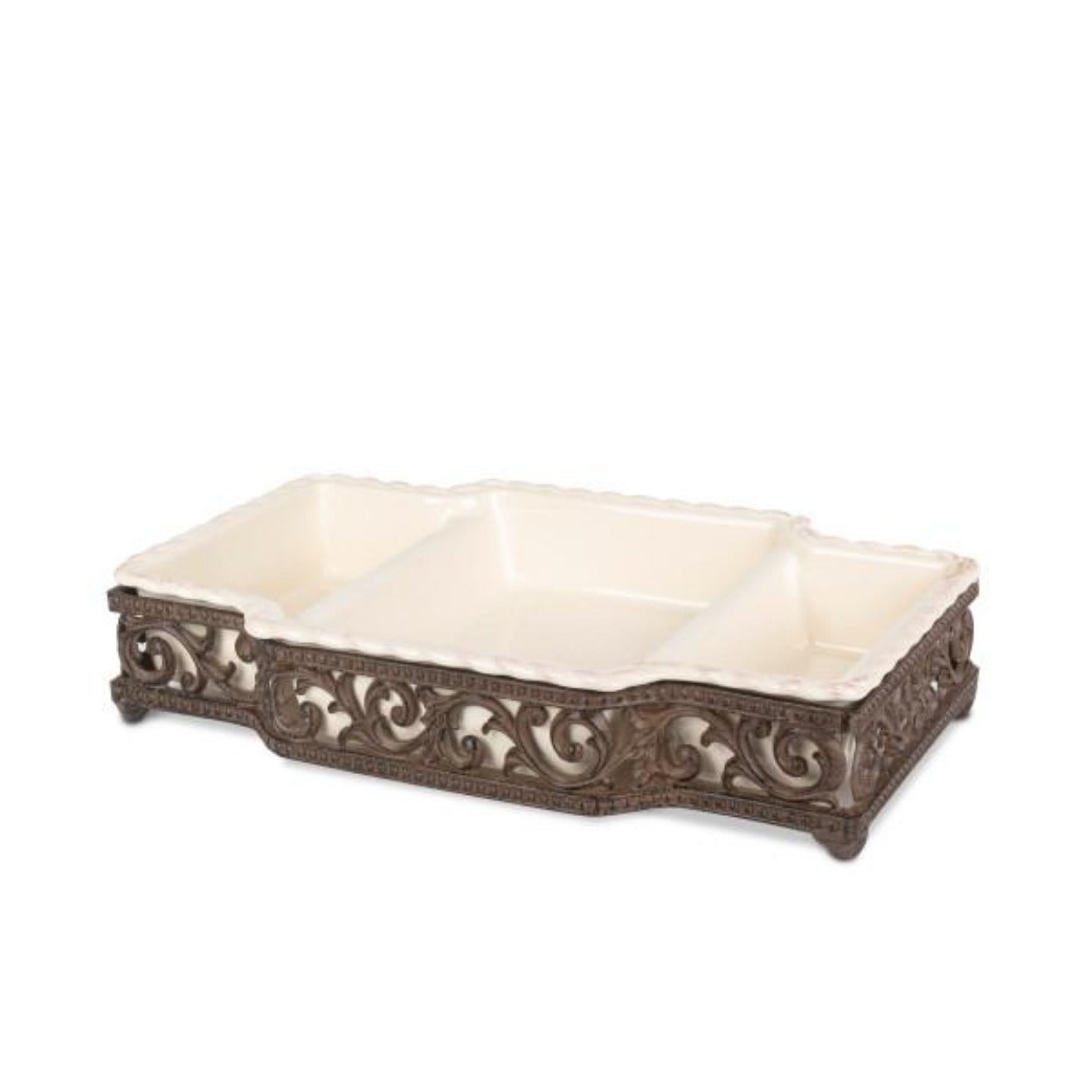
Serving trays and platters for appetizers, main dishes, desserts and tabletop presentation, with shapes and materials suited to many different gatherings.
Shop Trays & Platters →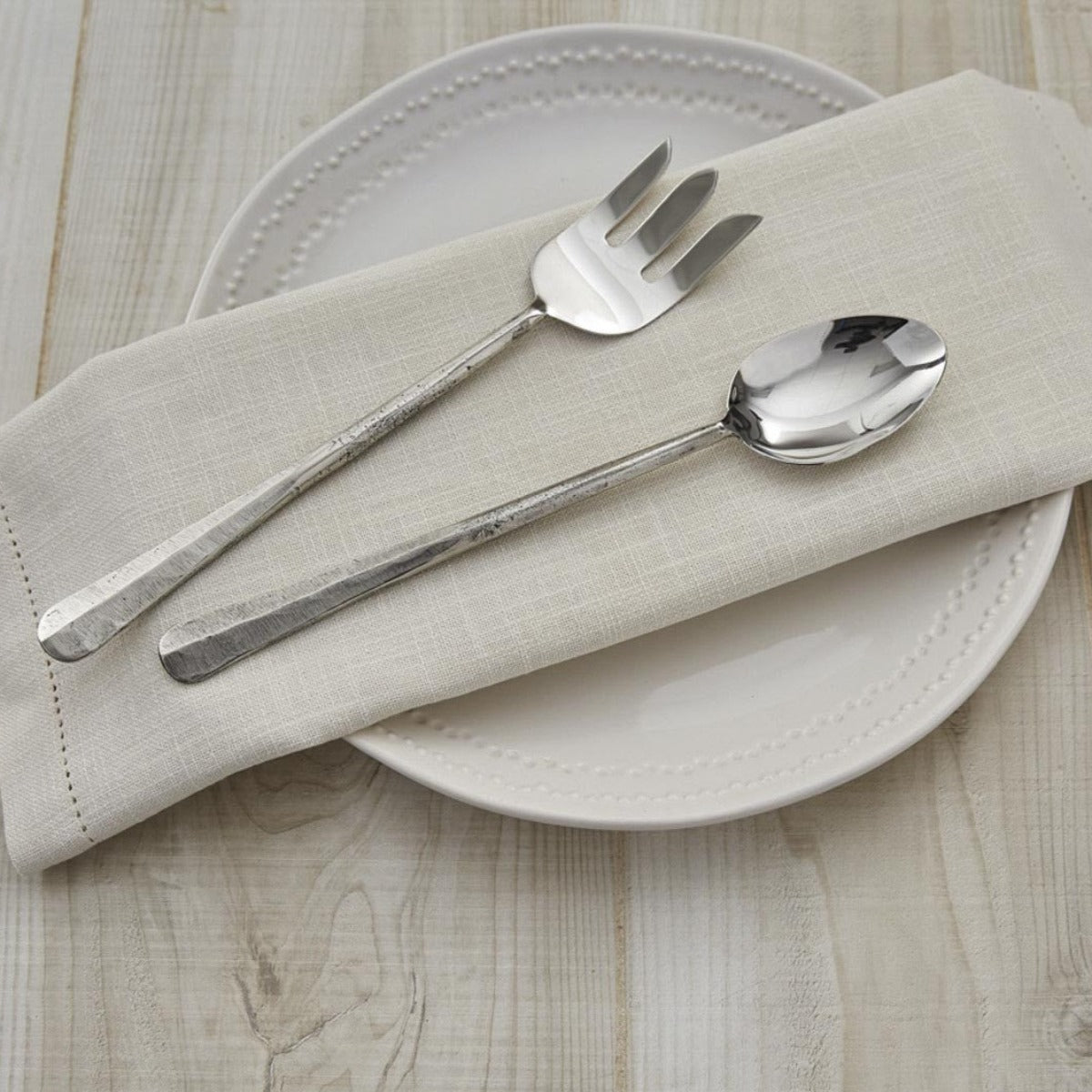
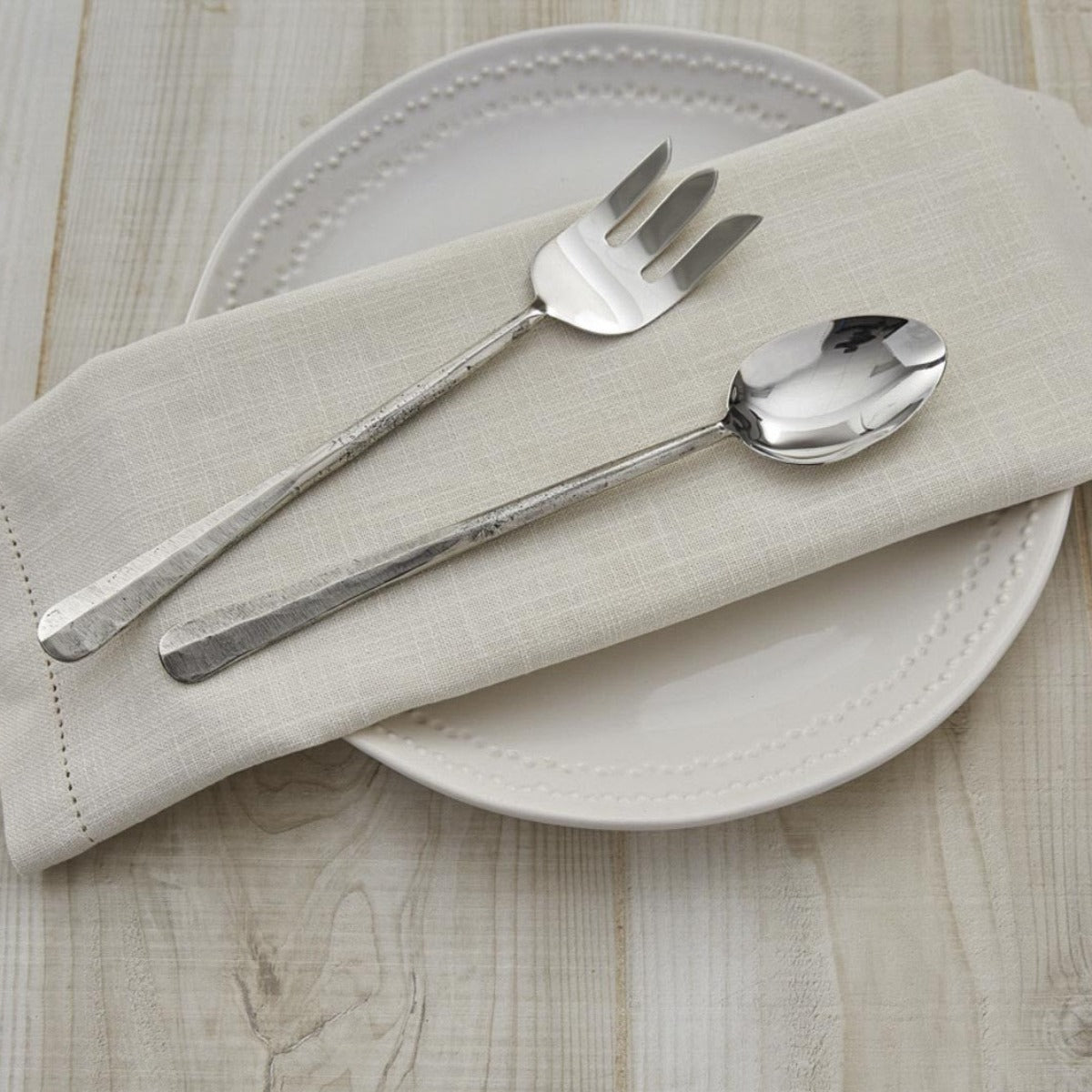
Serving spoons, salad servers, cheese knives and specialty utensils chosen to portion, lift and pass food while complementing the serving dish beside them.
Shop Serving Utensils →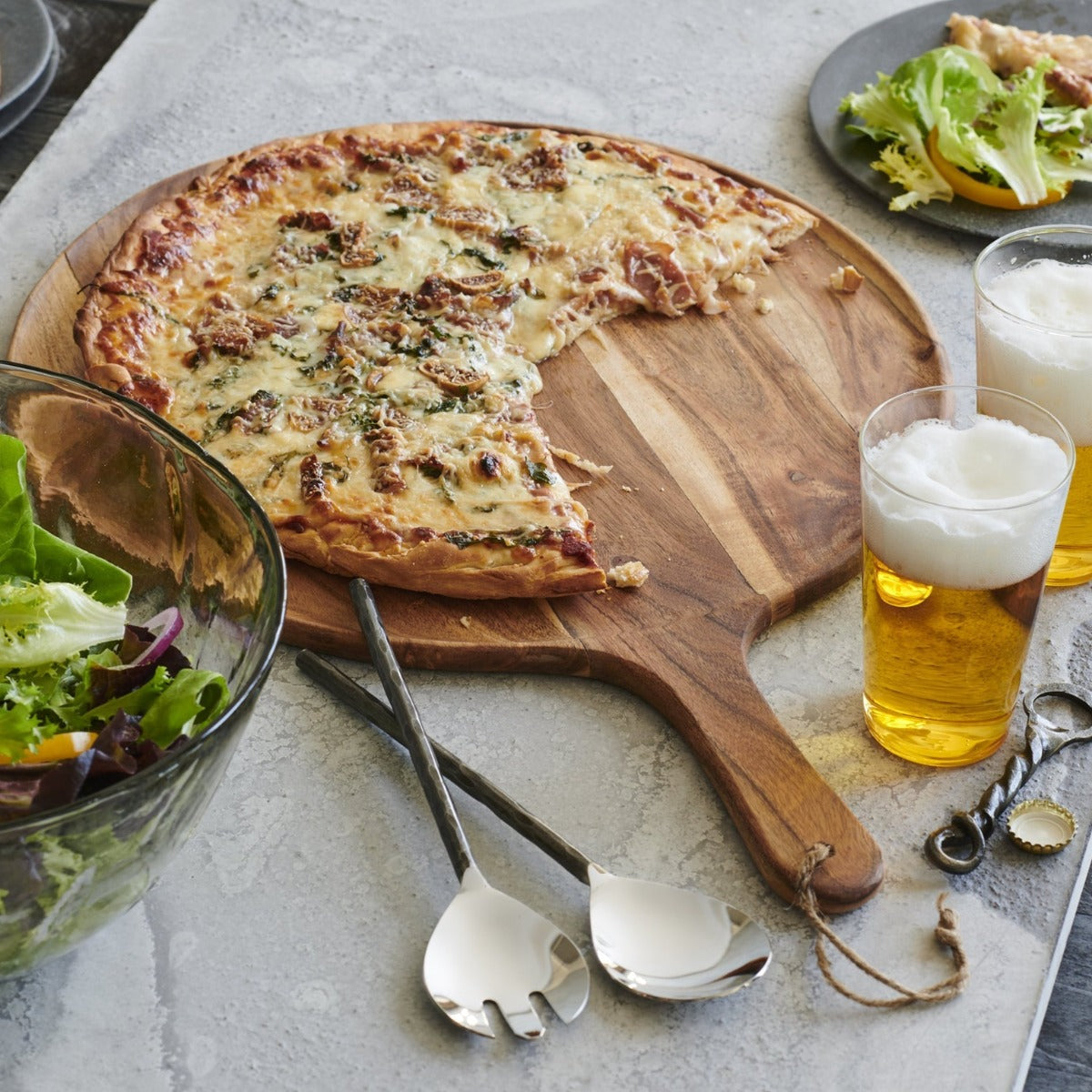
Boards, baskets and specialty serving pieces for bread, cheese, charcuterie and small bites that invite guests to gather and serve themselves.
Shop Bread & Cheese →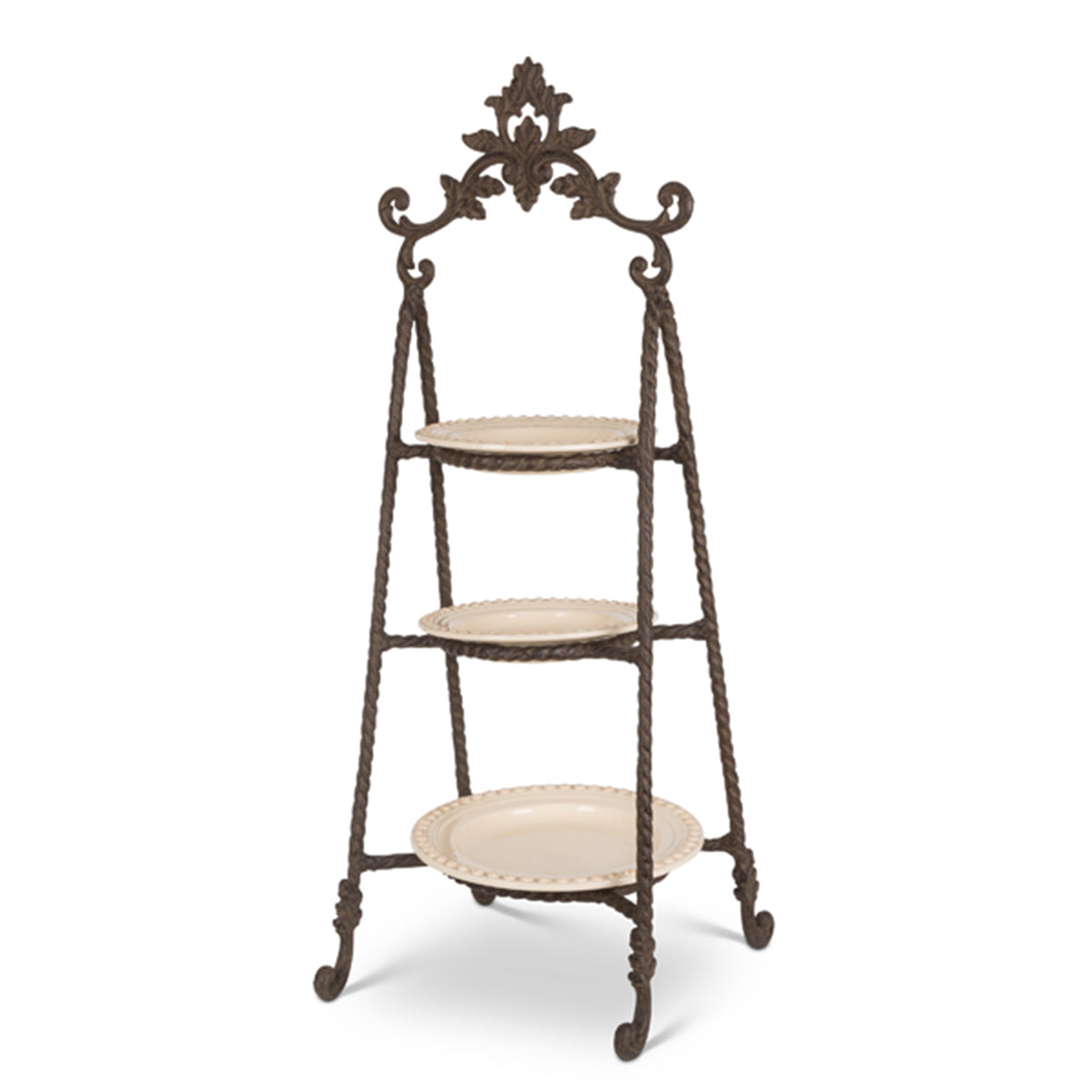
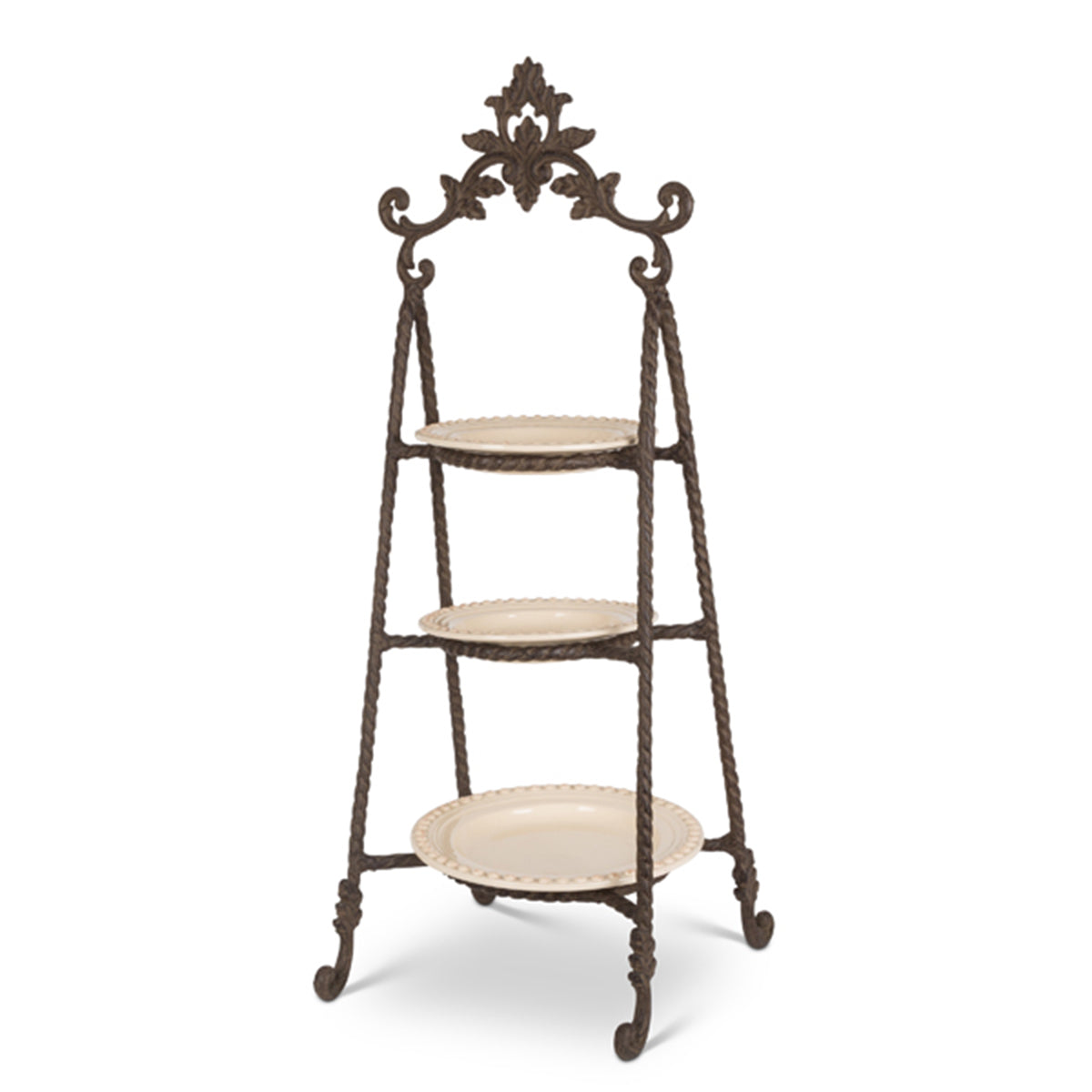
Cake stands, tiered servers and dessert pieces that add height and ceremony to pastries, sweets, celebrations and buffet-style displays.
Shop Cake & Dessert Servers →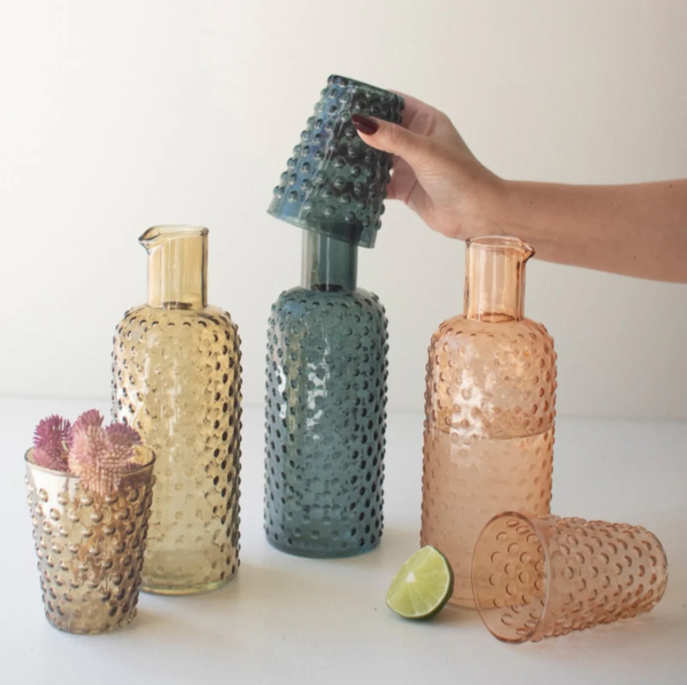
Pitchers, dispensers, coffee pots and beverage-serving pieces for water, cocktails, coffee and other drinks shared around the table or buffet.
Shop Beverage Service →Servingware is practical by definition, but the size, height, material and form of each piece also affect how the table looks and how comfortably guests can serve themselves. A good serving piece makes the food easier to reach without competing with the meal for attention.
Bowls, platters and boards give shared dishes a defined place at the table and make family-style meals easier to pass, portion and enjoy.
Tiered servers, pedestal bowls and raised displays create variation on a buffet or table where every serving piece would otherwise sit at the same level.
Ceramic, wood, glass and metal can introduce texture without requiring every serving piece to match the dinnerware beneath it.
These are often the pieces used most frequently, so size and shape should be chosen around the foods you serve rather than appearance alone.
Generous bowls work well for salads, pasta and side dishes, while smaller bowls can hold dips, nuts, condiments and sauces. Pedestal and sculptural bowls can also add height or become decorative display pieces between meals.
Long platters suit sliced meats, vegetables and appetizers, while divided trays can organize smaller bites. Handles, rim height and weight matter when a piece needs to be carried from kitchen to table.
Before serving food directly on a platter, board or tray: check the individual product description for food-use suitability. Some decorative pieces are designed primarily for display and may require a liner or separate serving dish.
A serving bowl or platter works better when the utensil matches the food, the depth of the dish and the amount being served.
Larger spoons and forks work for vegetables, casseroles, pasta and other shared dishes where guests need to portion food cleanly.
Paired servers give more control when tossing and serving leafy salads, pasta salads and mixed dishes from deeper bowls.
Cheese knives, cake servers and other specialized utensils are shaped for a particular task and can keep the presentation more polished during entertaining.
Boards and specialty servers are especially useful when the food is meant to be assembled, sliced or shared casually over time.
Wood and other serving boards create a broad surface for cheeses, breads, charcuterie and small bites. Compare board size with the number of guests and the variety of foods you typically serve.
Start with the largest foods, then fill smaller spaces with crackers, fruit, nuts or accompaniments when appropriate. Small bowls can help contain dips, olives, spreads or condiments without letting them run into other foods.
Dessert pieces bring height to a table and create a natural focal point for cakes, pastries, cookies and other sweets.
A raised cake stand gives a finished dessert more presence while freeing a small amount of surrounding table space beneath the elevated plate.
Multi-level stands use vertical space efficiently and work especially well for pastries, tea service, small desserts and buffet-style presentations.
Cake and pie servers help lift individual portions without disturbing the remaining dessert, making them worth pairing with the stand or platter itself.
Serving drinks from a dedicated pitcher, dispenser or coffee piece reduces repeated trips to the kitchen and lets guests help themselves more comfortably.
Pitchers and dispensers can handle water, tea, punch and other beverages depending on the individual product. Compare capacity, handle comfort and pouring clearance with the way you entertain.
Coffee pots, creamers, sugar pieces and related servers can give hot beverages a more intentional place at the end of the meal rather than leaving the service in the kitchen.
The most useful serving dishes are easy to handle, easy to store and sized for the foods you serve most often.
The food should remain the focus. Use variation in height and material to create interest, but leave enough open space for plates, glasses, hands and conversation.
Combine low platters and bowls with one raised cake stand or tiered server rather than elevating everything on the table.
Wood boards, ceramic bowls, glass servers and metal utensils can work together when a few colors or finishes repeat across the table.
Family-style serving works best when guests can reach a dish and move it without knocking into centerpieces, glasses or neighboring pieces.
Serving pieces work alongside dinnerware, linens, place-setting details and beverage accessories to carry the meal from presentation to serving.
Servingware includes the dishes and utensils used to present, portion and share food or beverages. At Iron Accents, the Servingware hub includes Serving Bowls, Trays & Platters, Serving Utensils, Bread & Cheese pieces, Cake & Dessert Servers and Beverage Service.
Yes. Both terms are commonly used for serving dishes, platters, bowls, boards, utensils and beverage pieces. We use “Servingware” as the main category name.
A versatile medium-to-large serving bowl, a platter or tray, a set of serving utensils and a board for bread, cheese or appetizers cover many everyday meals and casual gatherings. Add dessert or beverage pieces based on how you entertain.
Think about the food being served, the number of guests and the available table space. A serving dish should hold enough food without becoming difficult to carry, pass or store once the meal is over.
No. Some decorative bowls, trays, boards and metal pieces may be intended primarily for display or may require a liner. Review each product description before placing food directly on or inside the item.
It depends on the material, construction and finish. Ceramic, glass, wood and metal products can have very different heat and cleaning requirements. Follow the care and use information on the individual product page.
The terms can overlap. Platters are often broad dishes used primarily for presenting food, while trays may include raised edges or handles and can be used for carrying food, drinks or smaller serving pieces. The individual design matters more than the name.
Depending on the board and its food-use suitability, it may be used for breads, cheeses, charcuterie, crackers, fruit and other small bites. Check the product instructions before placing food directly on the surface.
Beverage Service can include pitchers, drink dispensers, coffee pots and related pieces used for serving water, tea, coffee, cocktails and other beverages. Available products change over time.
Look for one or two connecting elements such as color, finish or material rather than trying to match everything exactly. A wood board, ceramic bowl and metal utensils can feel cohesive when the surrounding dinnerware and linens repeat a few of those tones or textures.