Your Cart is Empty

The right bracket or corbel does more than hold weight. It can frame open shelving, anchor a countertop overhang, support a mantel or add architectural detail beneath a ledge, island or pass-through. Iron and metal supports bring strength and structure into view instead of asking them to disappear.
Explore decorative iron shelf brackets for wall-mounted shelving, or shop iron and wrought iron corbels designed for countertop and architectural support applications. Our assortment ranges from compact cast iron brackets with traditional scrollwork to substantial steel and hand-forged iron corbels made for projects where support is an important part of the design.
Begin with the job the support needs to do—shelf, counter, mantel or architectural detail—then compare projection, height, mounting surface, expected load and clearance before choosing the style and finish.
The two collections serve different kinds of projects. Start with the application, then compare the individual product specifications before ordering.
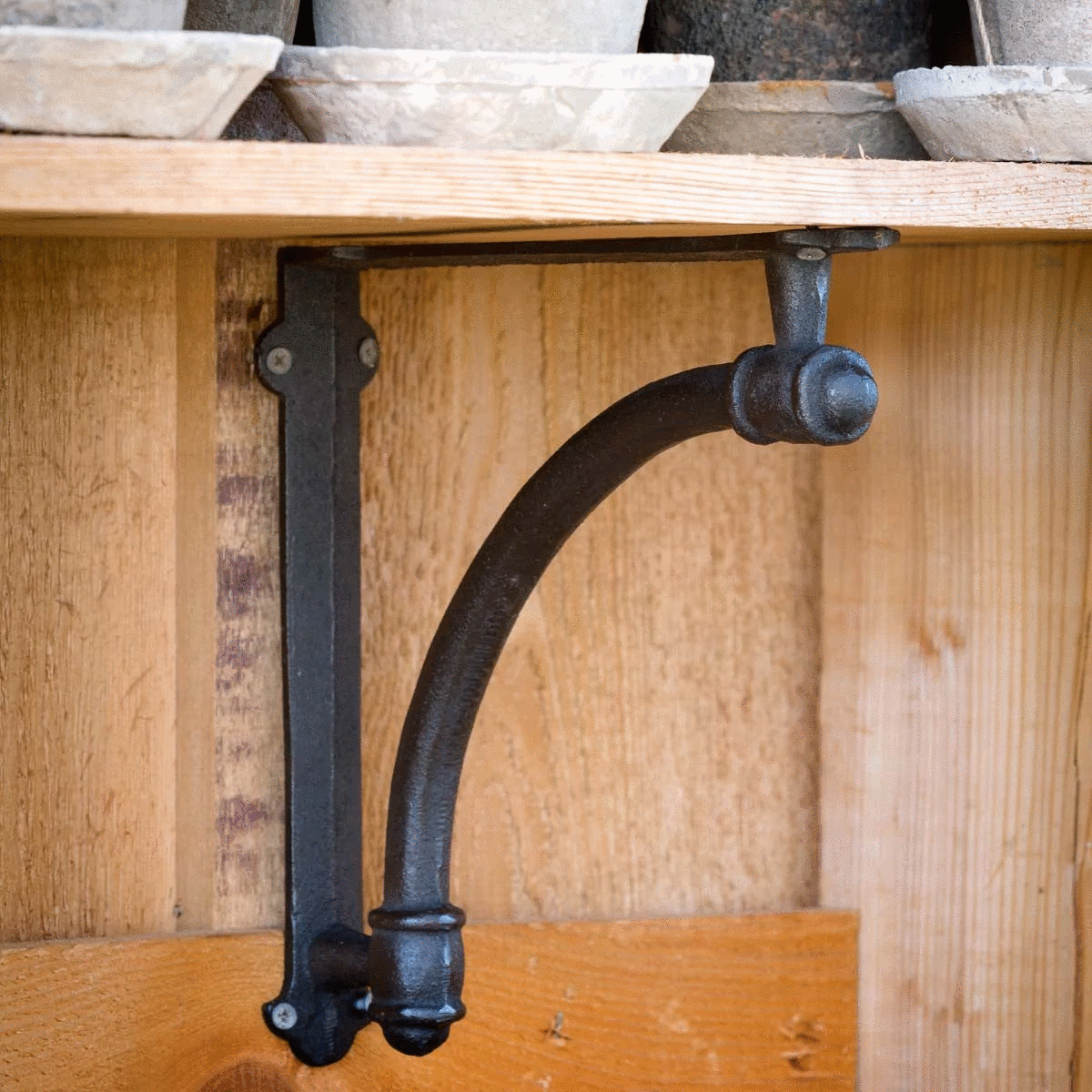
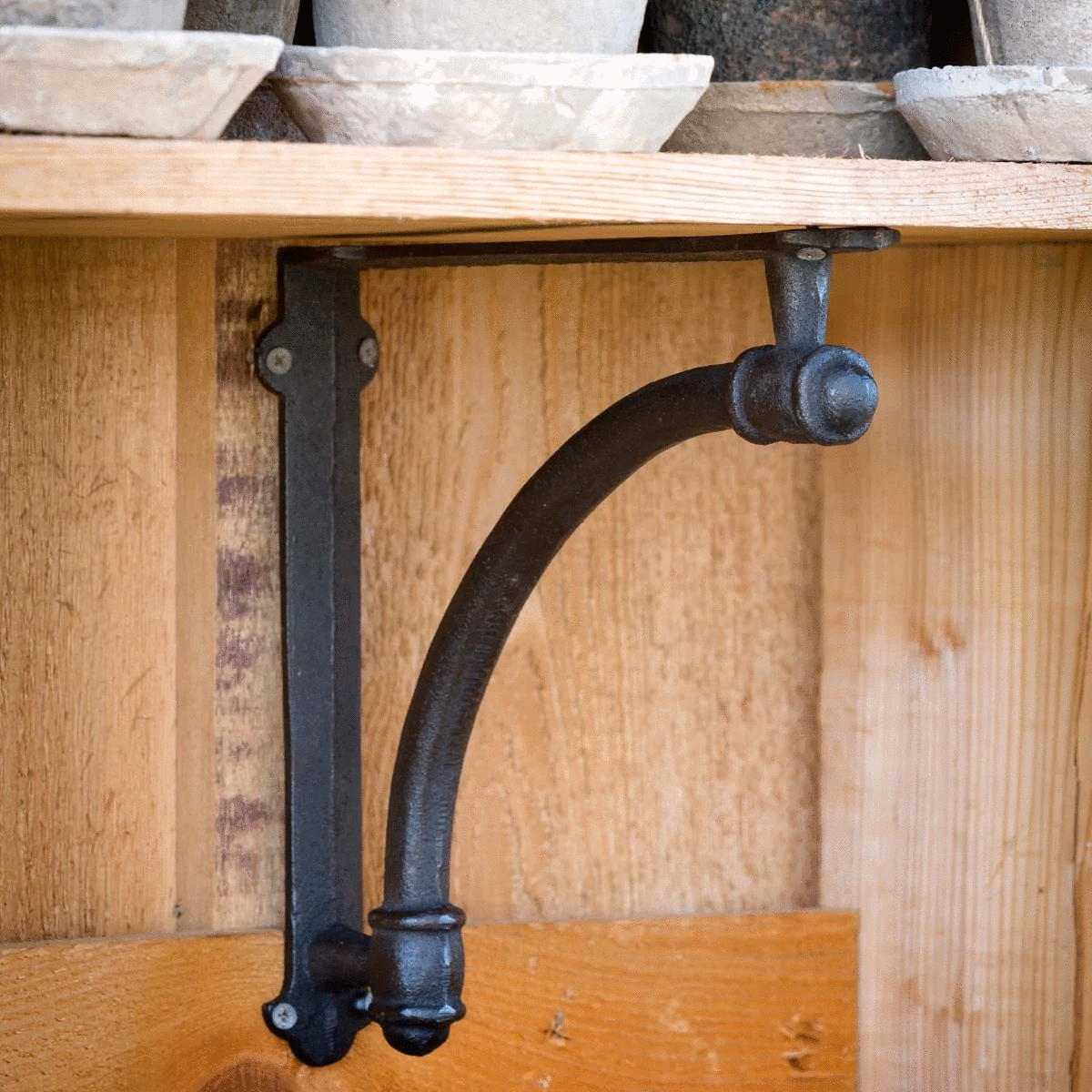
Cast iron, wrought iron and metal brackets for open shelving in kitchens, pantries, offices, baths, libraries and living spaces, with styles from understated to highly ornamental.
Shop Decorative Shelf Brackets →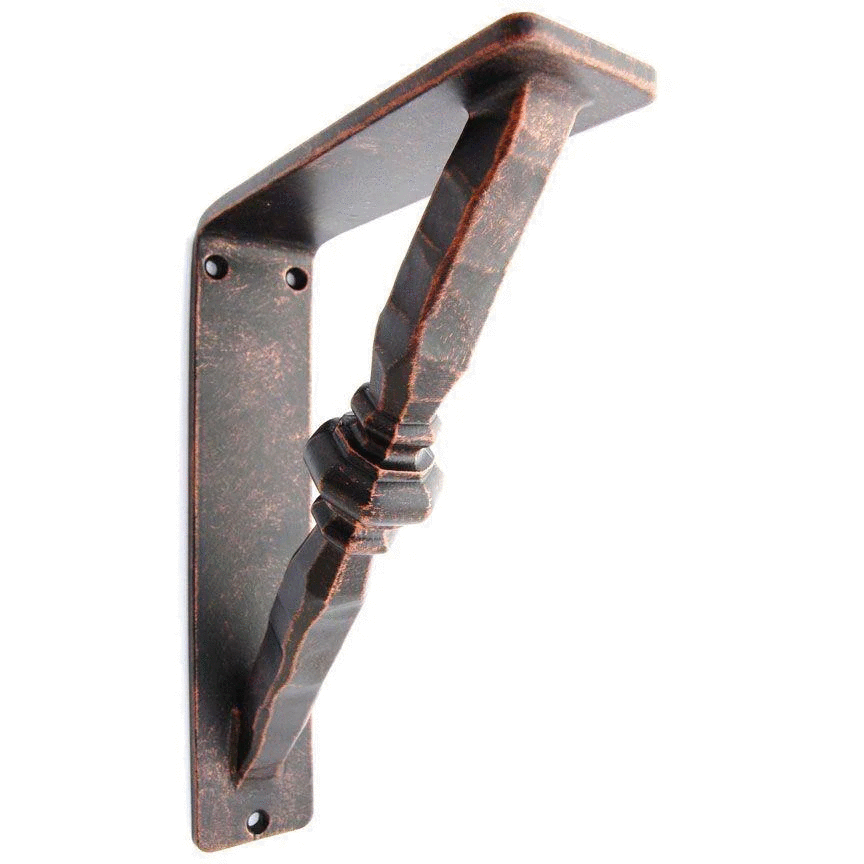
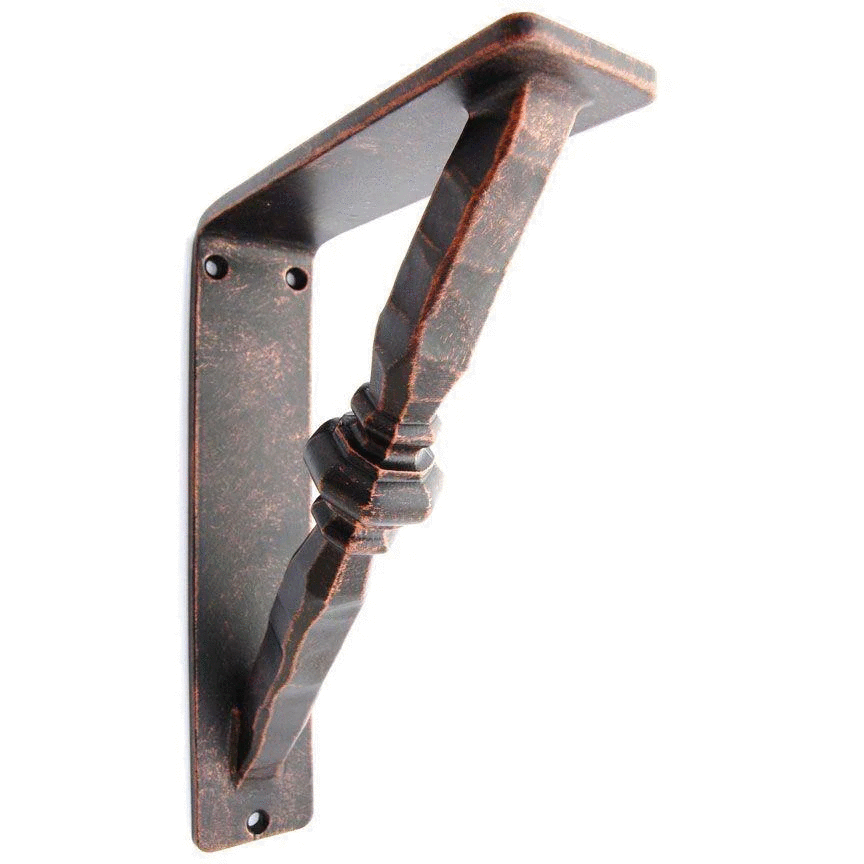
Substantial iron and steel corbels for countertop overhangs, kitchen islands, breakfast bars and other applications where both support and architectural presence matter.
Shop Countertop Support Corbels →The terms overlap, and some products can reasonably be described as either a bracket or a corbel. For shopping purposes, it is more useful to think about how the support will be used.
Brackets are commonly selected for wall-mounted shelves, ledges and smaller work surfaces. Projection, shelf depth, bracket spacing, wall construction and the total expected load all affect the right choice.
Corbels often have more visual and structural presence and are frequently used beneath countertop overhangs, islands, mantels, pass-throughs and other features where the support is intentionally visible.
Do not choose by name alone. A decorative shelf bracket and a heavy-duty countertop corbel may look similar but be intended for very different loads and mounting conditions. Always use the individual product specifications and the requirements of the complete project.
Iron corbels bring the look of architectural metalwork to places where strength, shadow and visible structure can become part of the room.
Hand-forged and fabricated iron corbels can have substantial scale, hammered texture and curved or scroll-shaped details that work especially well with wood, stone, plaster and other natural materials.
Cast iron is often used for decorative shelf brackets with detailed scrollwork, botanical motifs, geometric shapes and traditional patterns in a wide range of sizes.
Fabricated steel and other metal supports can create cleaner lines or heavier profiles depending on the design. Material alone does not determine capacity; construction, dimensions and installation all matter.
Visible support can become an architectural detail in nearly any room when the scale and construction are appropriate for the application.
Stone and solid-surface countertops can be heavy, and the support plan should be determined as part of the countertop installation—not after the top is already in place.
Record the countertop projection and the available vertical space beneath it. Corbel depth, height and placement must work with both the top and the cabinetry or wall structure below.
On islands and breakfast bars, support placement affects knee and chair clearance. Consider how people will sit at the counter before deciding on corbel size and spacing.
Countertop material, thickness, overhang, cabinet construction, attachment points and corbel capacity all work together. Follow the countertop fabricator's and support manufacturer's requirements.
For heavy stone or safety-sensitive installations: have the support plan reviewed by the countertop fabricator, cabinetmaker, contractor or other qualified professional. A corbel's performance depends on both the product and how it is anchored.
Shelf brackets affect both how the shelf performs and how it looks. The right projection, spacing and style can make a simple shelf feel built into the room.
Compare the bracket projection with the shelf depth and follow the bracket and shelf manufacturer's recommendations. A deeper shelf generally requires more thoughtful support than a shallow display ledge.
Books, dishes, cookware and stone shelves create very different loads. Include the weight of the shelf itself as well as everything you expect it to hold.
Wall studs, blocking and masonry provide different anchoring conditions. Fasteners and installation methods should be selected for the wall construction, bracket design and expected load.
Some Iron Accents corbels are fabricated or hand-forged to order and may be offered in multiple sizes, widths and finishes. These options can be especially useful when a project needs a larger scale, a particular projection or a support that becomes a strong architectural feature.
Made-to-order lines may offer several standard dimensions and, in some cases, limited customization. Review the individual product for available sizes, mounting-hole options and any custom-order limitations.
Depending on the maker, finishes may range from unfinished or clear-coated iron to black, bronze, pewter and hand-applied aged finishes. Availability varies by product and manufacturer.
Decorative brackets and corbels can reinforce the style of a room without requiring every metal finish to match. Traditional scrolls and botanical forms can soften open shelving, while heavier forged profiles add weight to rustic, lodge and old-world interiors. Simpler geometric supports can work comfortably in farmhouse, industrial, transitional and more contemporary spaces.
Dark iron creates strong contrast against pale walls and natural wood, while aged or hand-applied finishes can connect the support to cabinet hardware, lighting and other metal accents already in the room.
Some customers use iron and metal supports on covered porches, exterior shelves, outdoor counters and architectural details, but outdoor suitability varies by material, finish, exposure and manufacturer.
Check the individual product before exterior use. Moisture, humidity, salt air and direct weather exposure can change or corrode metal finishes. If a product is not specifically described for outdoor use, ask us about the material, finish and expected exposure before ordering.
Use these guides to compare applications, size the support, think through spacing and mounting, and prepare for installation before drilling or placing a heavy load.
Brackets and corbels often work alongside other visible hardware. Explore related collections when the project includes shelves, cabinetry, hanging storage or other iron details.
The terms are often used interchangeably. In general, brackets are commonly associated with shelving and ledges, while corbels often have a larger or more architectural presence beneath counters, mantels and overhangs. The product's intended use, dimensions and support specifications matter more than the name.
Use a support designed for countertop applications and coordinate the size, placement and quantity with the countertop material, thickness, overhang, cabinetry and mounting structure. For stone or other heavy tops, follow the fabricator's support requirements and have the installation reviewed by a qualified professional.
Some are designed to provide real support, but capacity varies significantly by product, bracket size, spacing, shelf material, fasteners and wall structure. Do not assume a decorative bracket is suitable for a particular load without reviewing its product information and installation requirements.
There is no single spacing rule that applies to every project. Shelf length, shelf material, countertop construction, expected load, support dimensions, wall or cabinet structure and manufacturer recommendations all affect spacing. Follow the requirements for the specific application.
“Heavy duty” is a general description, not a universal load rating. A support's performance depends on its material, construction, dimensions, mounting method and the structure receiving the fasteners. Use the individual product specifications rather than the phrase alone when planning a load-bearing project.
The assortment includes different metal constructions. Decorative shelf brackets may be cast iron, wrought iron or other metals, while many made-to-order countertop corbels are fabricated from steel or hand-forged iron. Check each product page for the exact material and finish.
It varies by product. Many brackets and corbels are sold individually, while some designs may be sold as sets. Check the “Contains” or product-description information before choosing a quantity.
Hardware inclusion varies by product and manufacturer. Even when hardware is supplied, the correct fastener still depends on the mounting surface and load. Review the product specifications and use fasteners appropriate for the project.
Some corbels may work beneath a mantel or mantel shelf, but the mantel weight, wall construction, mounting method, clearances and heat exposure all need to be considered. For safety-sensitive fireplace applications, consult a qualified installer and follow applicable fireplace and building requirements.
Some can be used in exterior or protected outdoor applications, but suitability varies by material, finish and exposure. Weather can change or corrode metal over time, so review the product information or contact Iron Accents before using a bracket or corbel outdoors.