Your Cart is Empty

The front step, porch and entryway are the first parts of the home guests experience. A distinctive door knocker, useful mat, sculptural door stop or seasonal accent can make that first impression feel personal before anyone crosses the threshold.
Explore entryway decor, metal door decorations and front door accessories including door bells and knockers, decorative baskets and door accents, door mats, iron door stops and porters, outdoor clocks and thermometers, and coat hooks and racks. The collection ranges from whimsical cast-metal animals to hand-forged iron hardware, woven texture and useful pieces designed to organize what happens around the door.
Because an entry can be fully exposed, covered by a porch or completely indoors, placement matters. Check each item's material, mounting method and recommended environment before using it where sun, rain, humidity or freezing weather will reach it.
Start at the door itself, then work outward to the threshold, porch wall and the place where coats, bags and everyday essentials need to land.
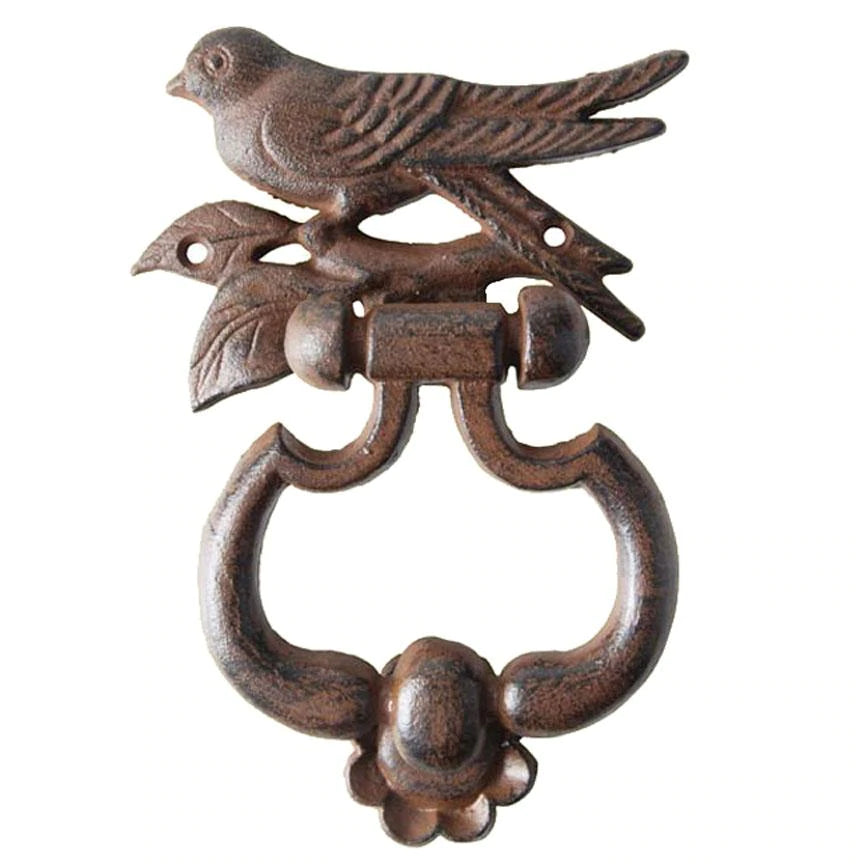
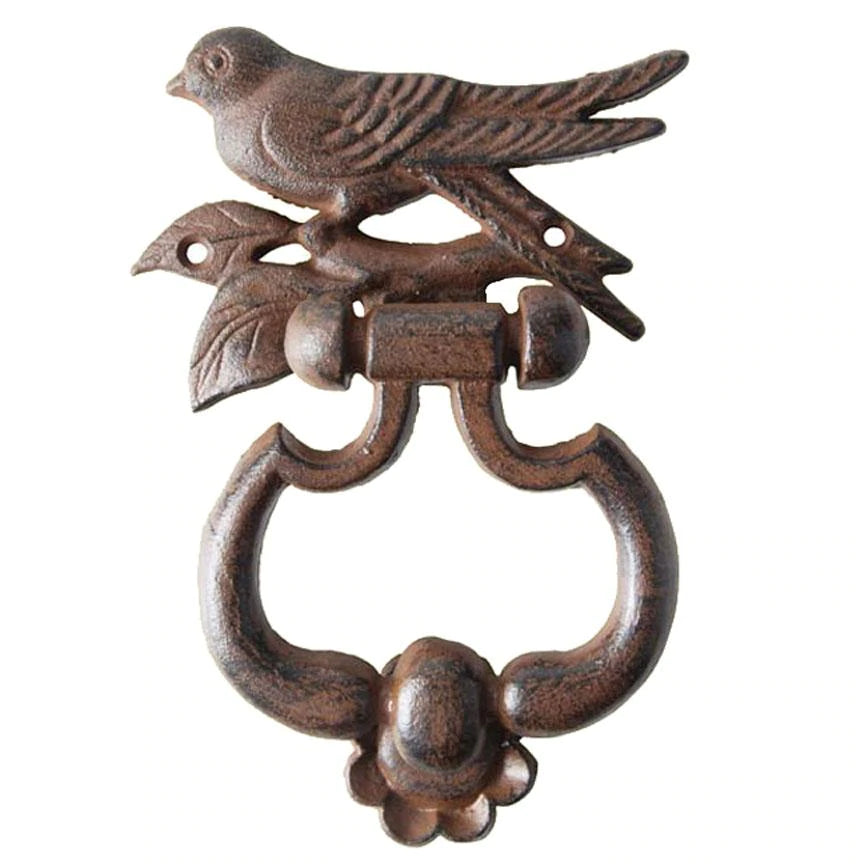
Decorative bells and knockers in animal, botanical, traditional and playful designs that give the front door a useful focal point.
Shop Door Bells & Knockers →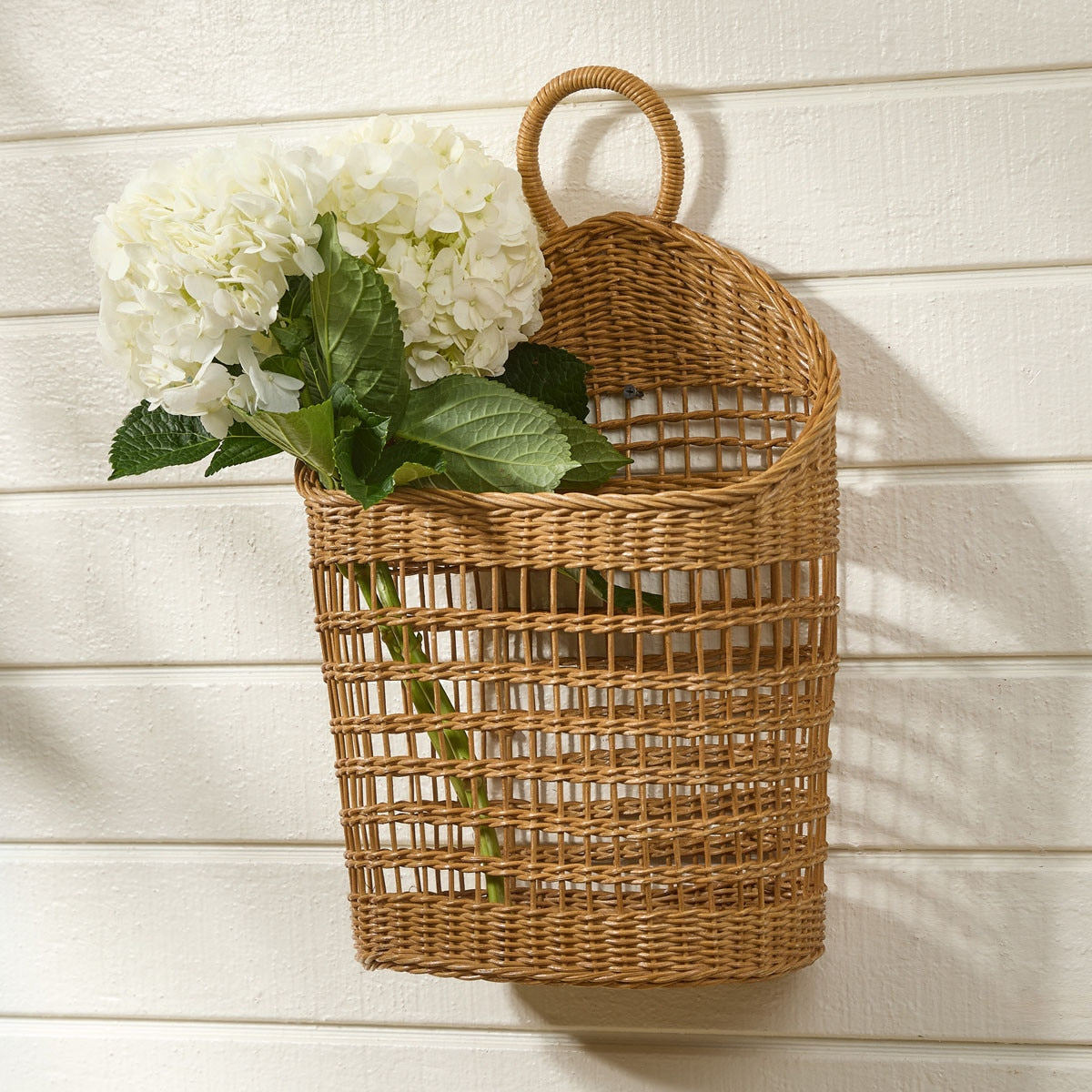
Door baskets, wreath alternatives and decorative accents that add color, texture and personality to the front door throughout the year.
Shop Door Decorations →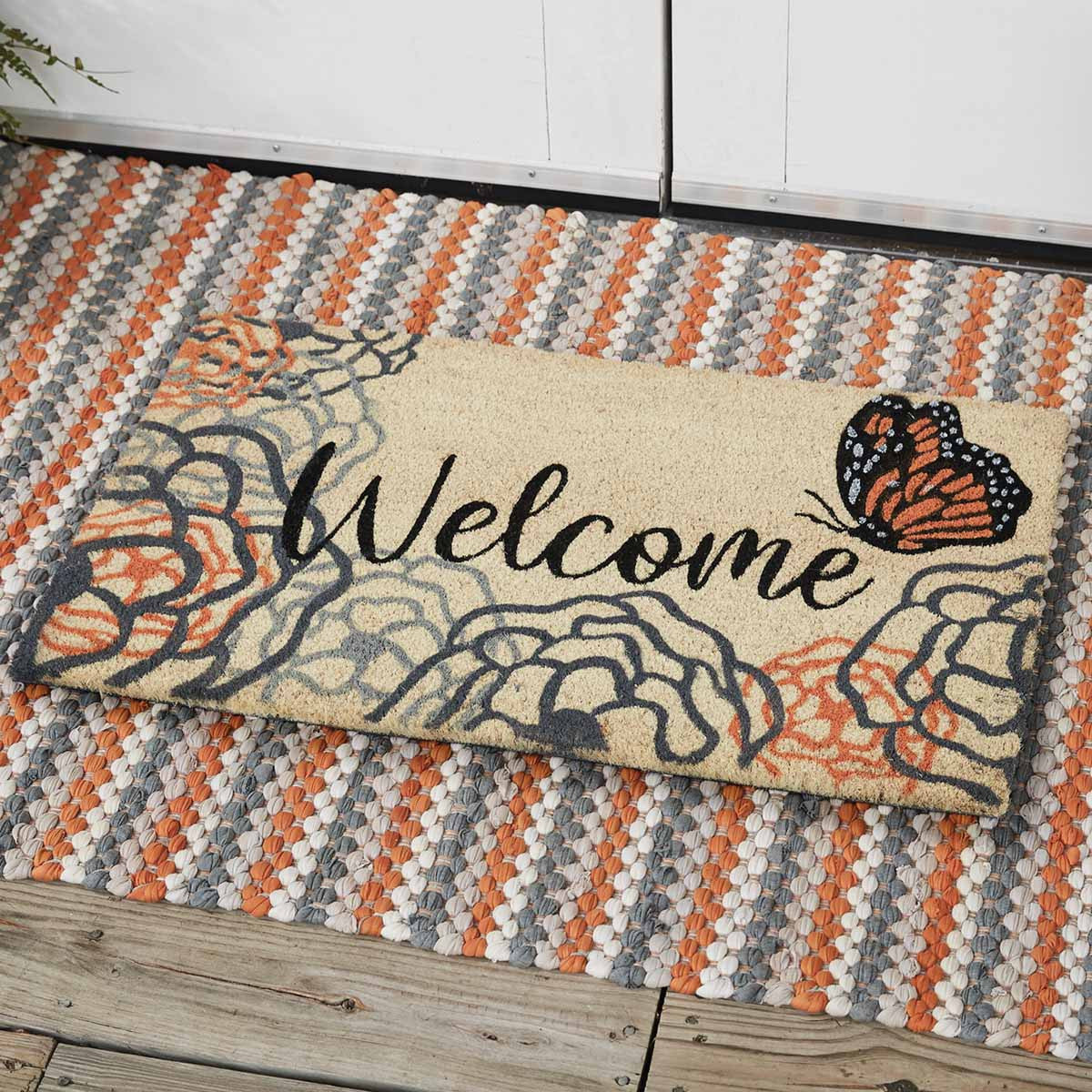
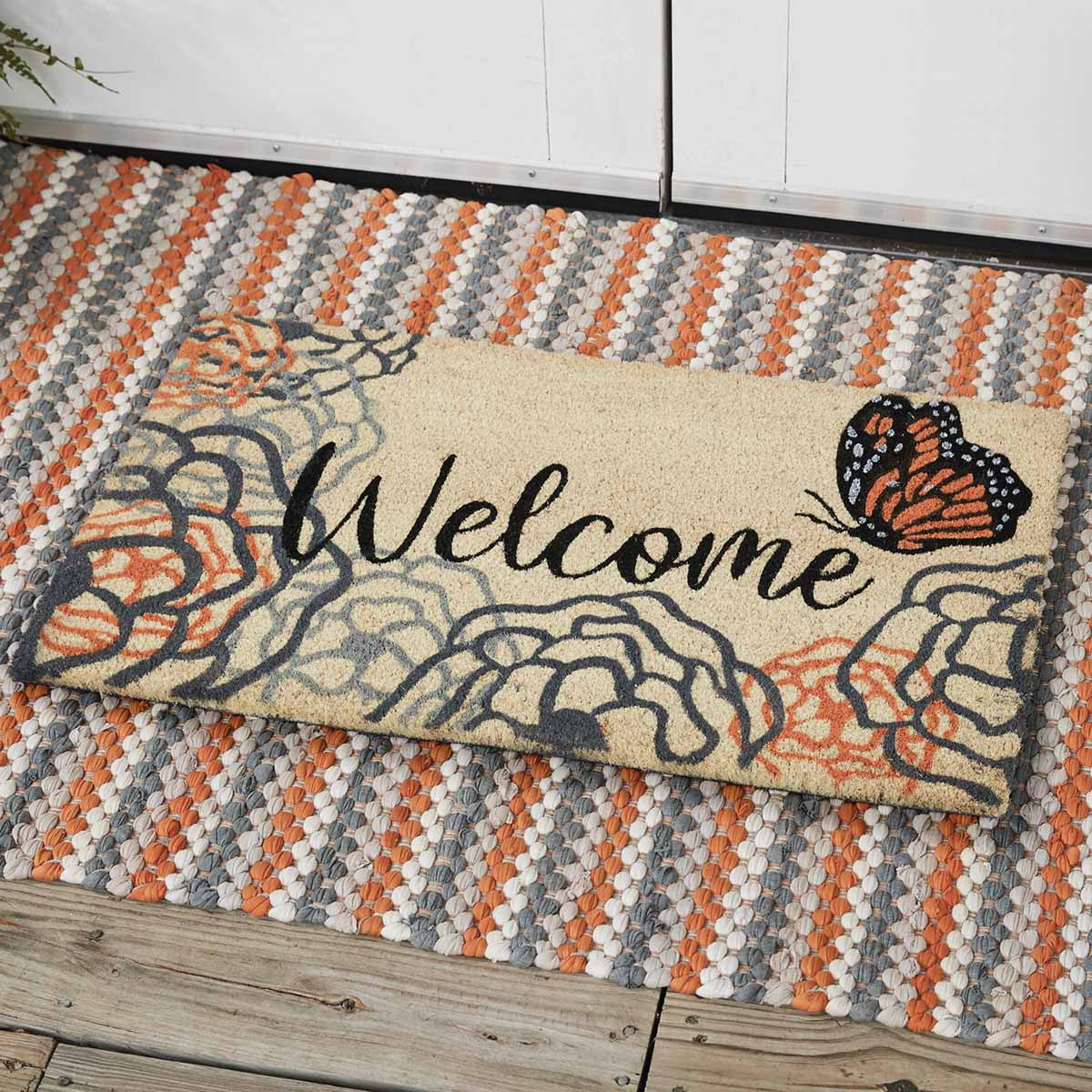
Decorative mats in coir, cast iron and other materials that help define the threshold while catching dirt and bringing another layer of pattern to the entry.
Shop Door Mats →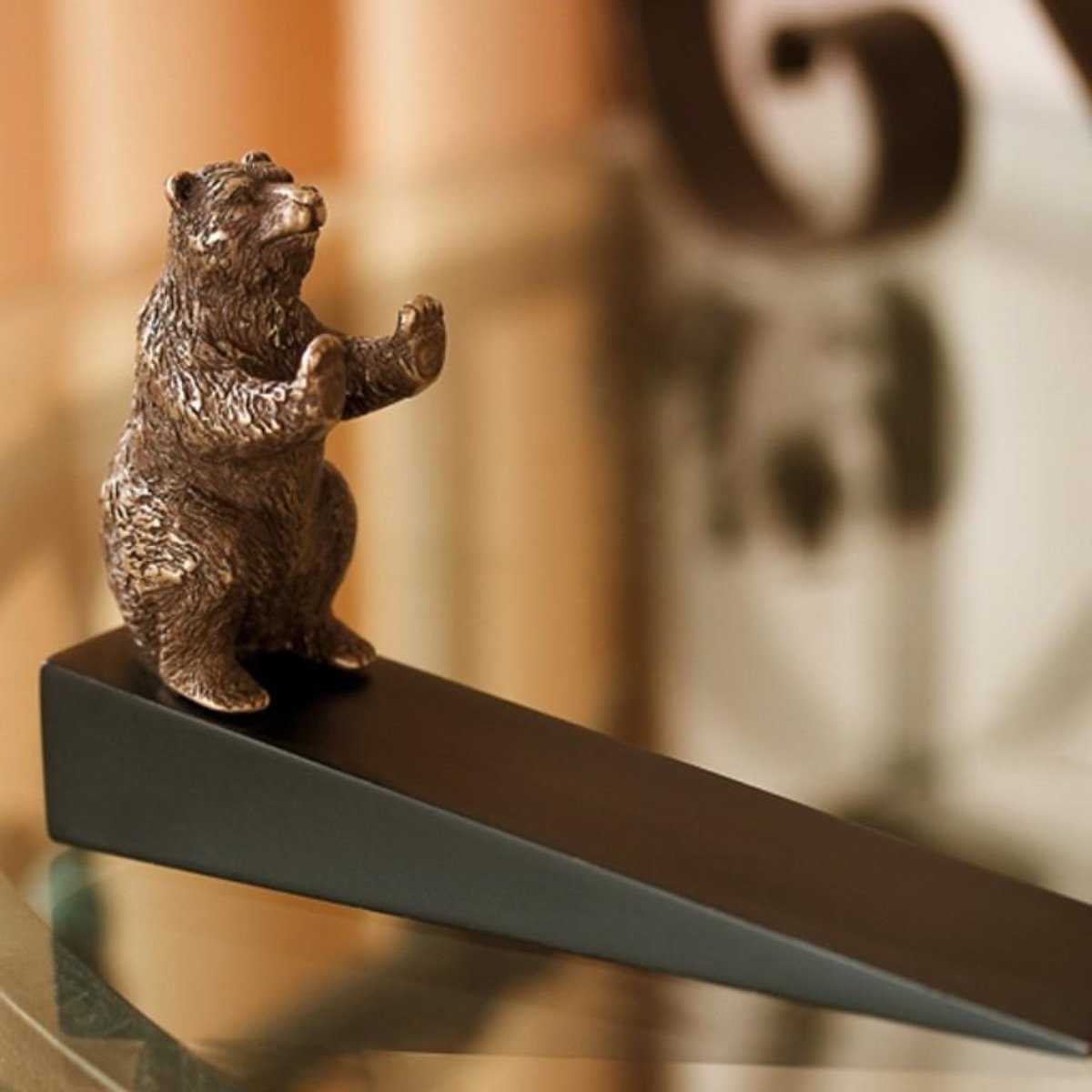
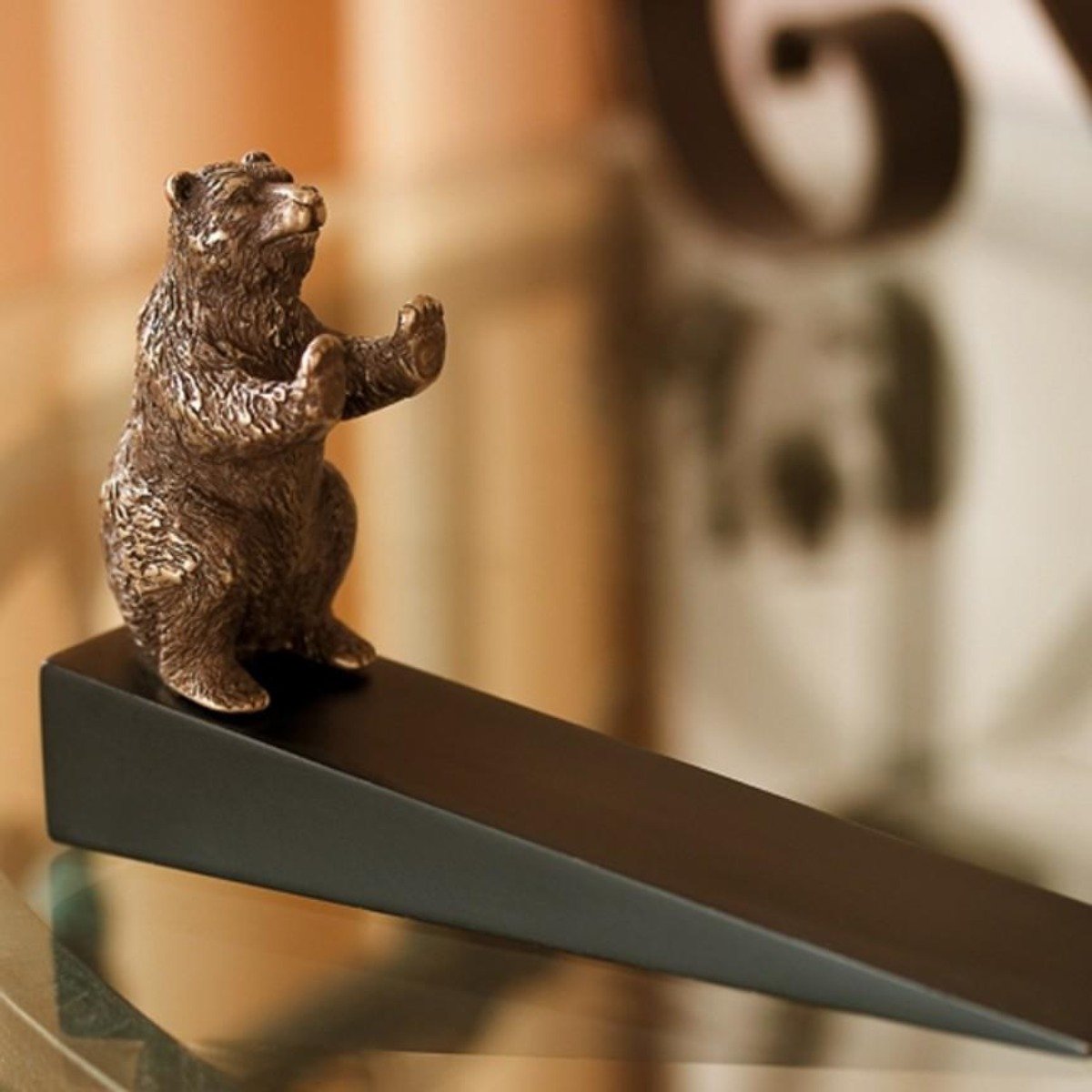
Wedges, sculptural door stops and traditional porters that hold a door in place while bringing ironwork and personality down to floor level.
Shop Door Stops & Porters →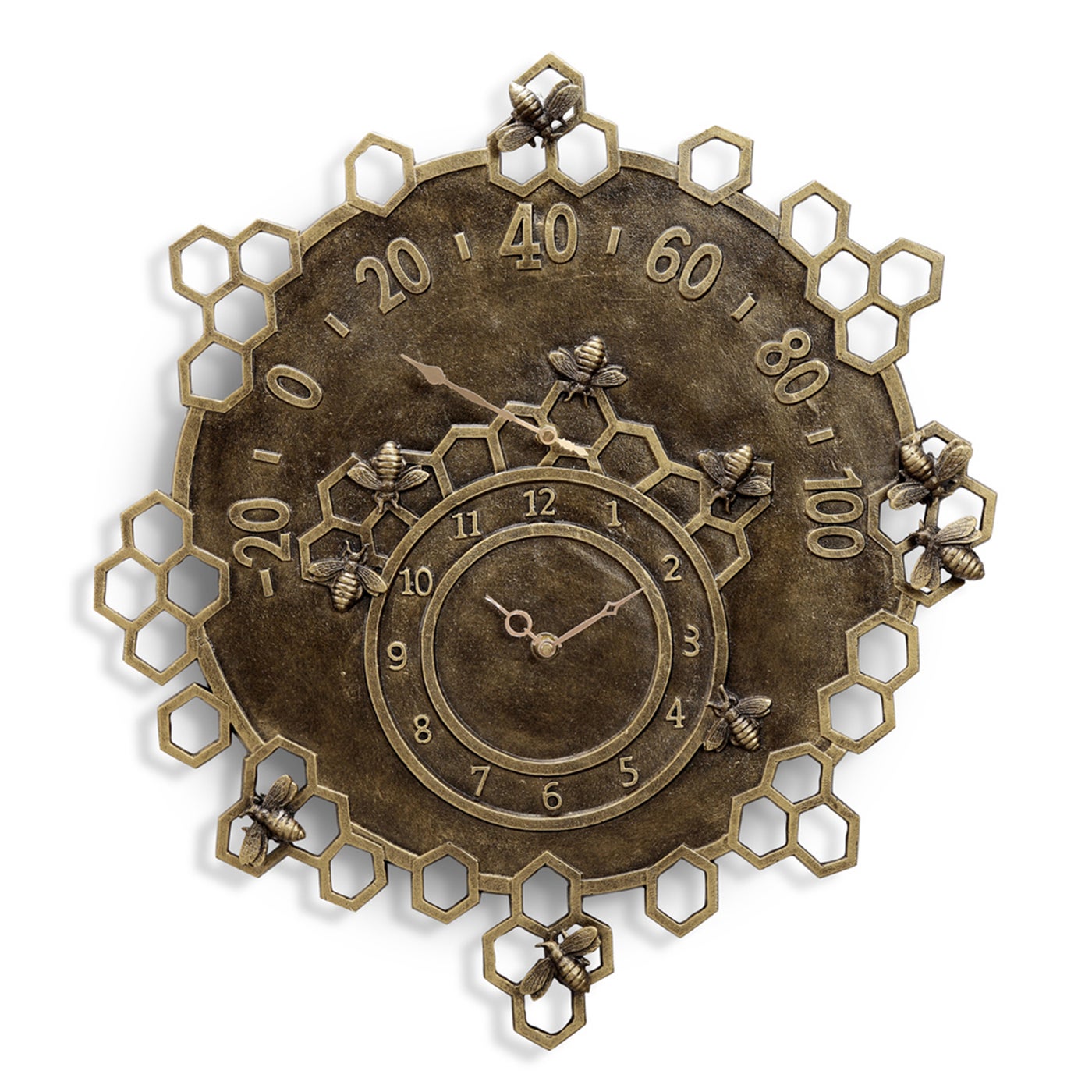
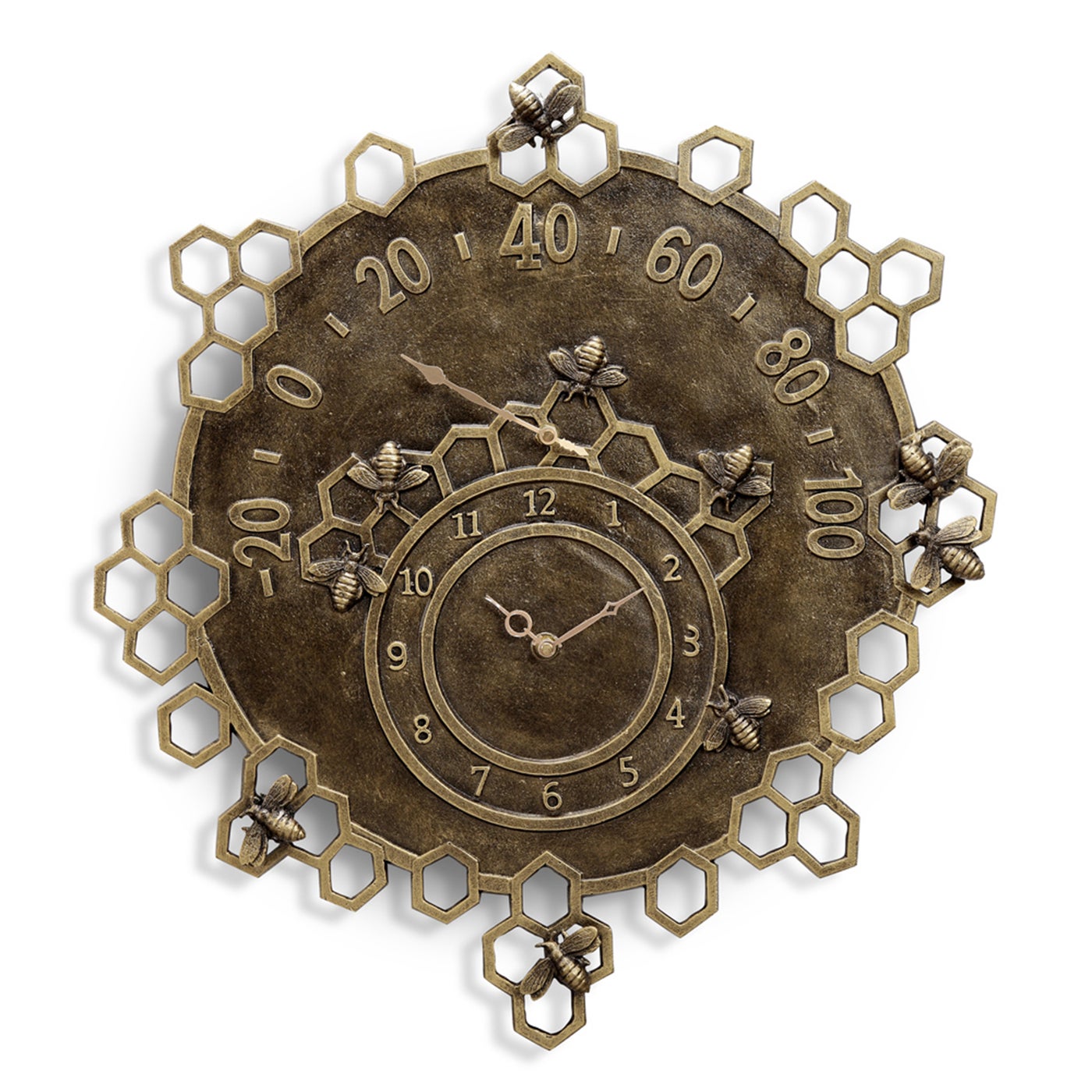
Decorative outdoor clocks and thermometers for porch and patio walls, combining easy-to-read information with metalwork, nature motifs and sculptural detail.
Shop Clocks & Thermometers →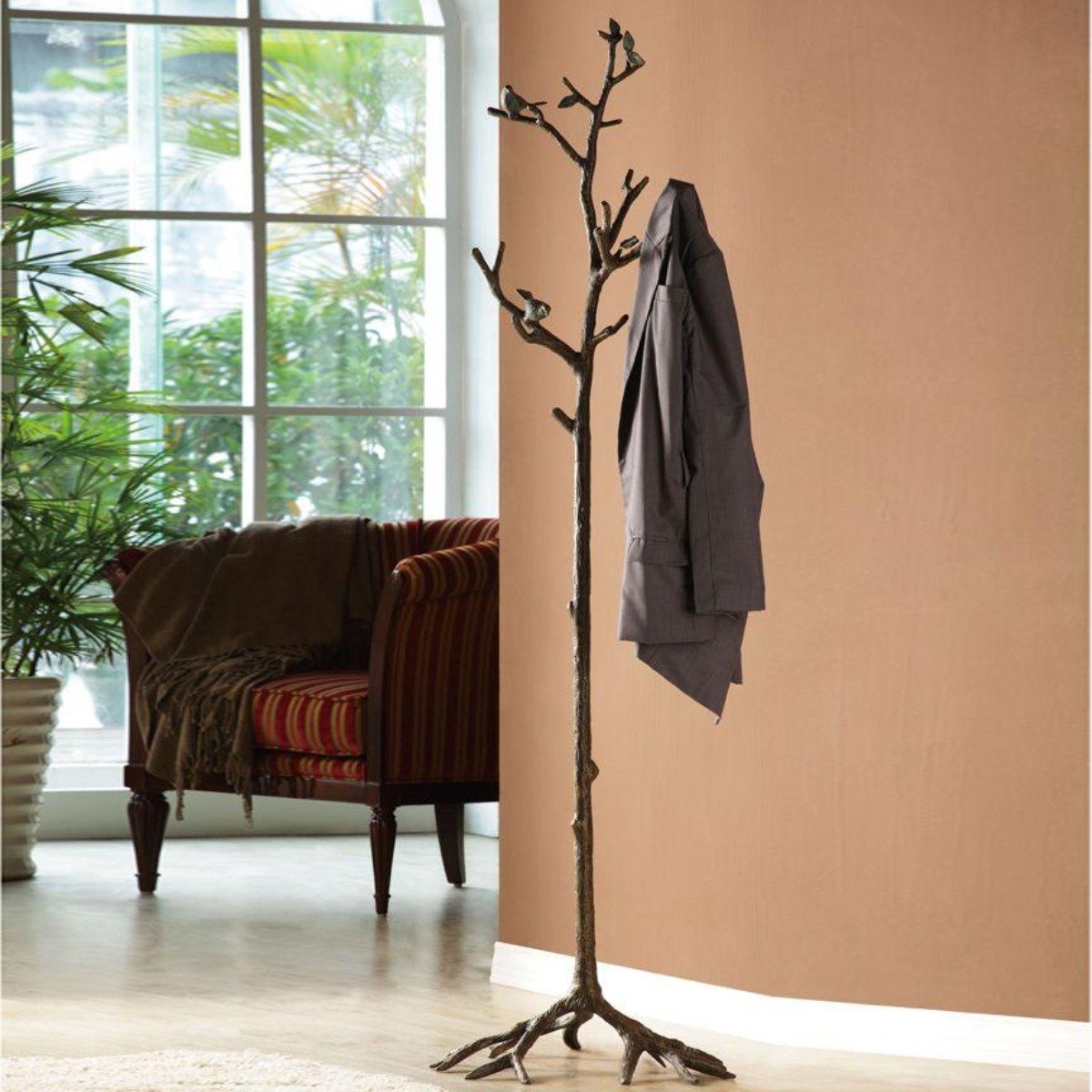
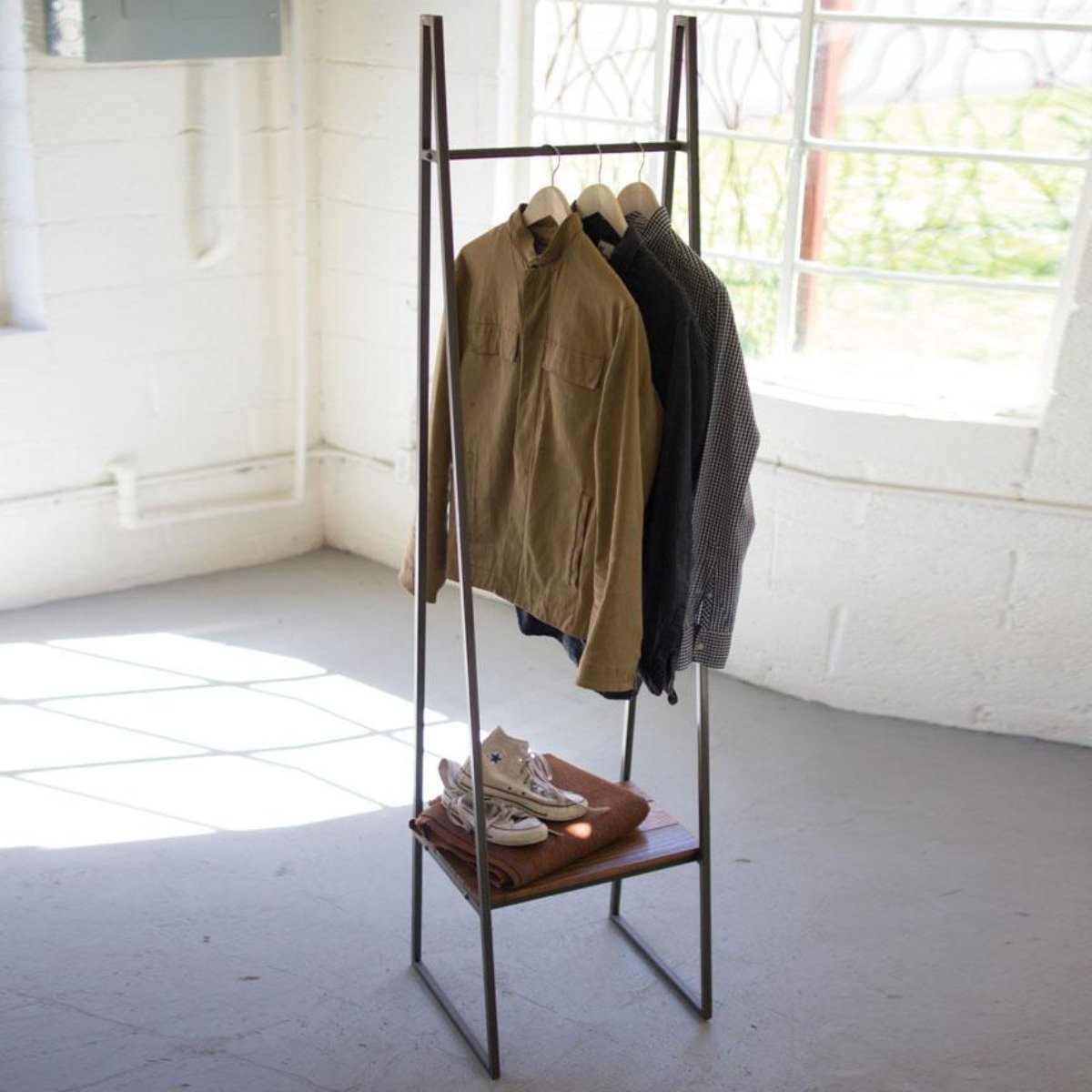
Wall-mounted and freestanding racks for coats, hats, scarves and bags, with options ranging from simple utility to hand-forged sculptural ironwork.
Shop Coat Hooks & Racks →Metal front door decor is a natural fit when you want the entrance itself to carry some of the personality of the house. Iron knockers, sculptural door accents and decorative cast-metal details can add texture and dimension without requiring room for another planter or piece of porch furniture.
Wrought iron and cast iron remain important materials throughout the collection, but not every entryway piece is iron. Door baskets, mats and other accents can include natural fibers, aluminum, resin, wood and mixed materials depending on the design.
A knocker or decorative bell sits close to eye level and is one of the first details a guest notices. Scale it to the door and choose a motif that feels connected to the architecture rather than simply choosing the most ornate design.
Animal, botanical and classic ring knockers can introduce cast-metal detail to a plain door. Compare overall height and width with panels, windows and existing hardware before drilling.
Mechanical and decorative bell styles can become part of the entry design while still announcing a guest. Check how the bell mounts and operates and whether the installation is compatible with the door or wall surface.
Before mounting to a door: check the product's hole spacing, projection, screw length and required backing. Avoid drilling into glass, hidden wiring, weather seals or door components without confirming the installation method.
Door decor can add color and texture without permanently changing the door. Baskets, wall pockets and dimensional accents offer alternatives to a traditional wreath and can be refreshed as the seasons change.
A basket or pocket can hold faux stems, dried arrangements or other decorative materials when appropriate, making it easy to change the look without replacing the entire base piece.
Metal door ornaments can bring depth and sculptural detail to the entry, especially where a flat sign or printed decoration feels too temporary.
A door beneath a deep porch sees very different weather from one fully exposed to sun and rain. Choose materials and finishes according to the actual location.
A mat defines the area immediately in front of the door and can help keep dirt and debris from traveling inside, but the best material depends on exposure and traffic.
Check the thickness of the mat against the bottom of the door, storm door and threshold. A beautiful mat is not useful if the door cannot swing freely over it.
Coir, cast iron, rubber-backed and textile-style mats respond differently to standing water, full sun and freezing weather. Follow the care information for the individual material.
A smaller decorative mat can be layered over a larger flat-woven outdoor rug when both pieces are suitable for the location and do not create a trip or door-clearance issue.
A door stop is one of the simplest pieces of hardware in the house, which makes it a perfect place for a little personality. Bears, animals and classic iron forms can do real work without disappearing into the background.
Compare the wedge height with the gap beneath the door and consider the door's weight. A decorative stop still needs enough friction and proper geometry to hold the door where you want it.
Traditional weighted porters are freestanding pieces that can hold a door while adding substantial cast-metal detail to a hallway, foyer or room entrance.
A clock or thermometer gives a blank exterior wall something useful to do while bringing another layer of metalwork or decorative detail to the entry.
Place a clock where the face is easy to read from the seating or entry area and where glare, deep shade or overhanging foliage will not make it difficult to see.
For a more useful temperature reading, keep a thermometer away from direct afternoon sun, dryer vents and other heat sources that can make the reading less representative of the surrounding air.
The welcome does not stop at the threshold. Hooks and racks help organize the coats, hats, bags and scarves that naturally collect just inside a foyer, hallway or mudroom.
Multi-hook racks can organize several items without using floor space and can become sculptural wall accents when the ironwork has enough presence.
Standing racks work where wall mounting is not practical and can be moved as entryway needs change. Check the footprint and stability as well as the overall height.
Coats and bags can become heavy quickly. Wall-mounted racks should be secured with fasteners appropriate for the wall construction and the load they will carry.
The strongest entrances usually have a clear focal point rather than a decoration on every available surface. Use the door as the visual center, then add practical pieces around it where they support the way the entry is actually used.
Front-door accessories can face direct sun, blowing rain, humidity, freezing temperatures and repeated contact from hands and shoes. Even pieces described as outdoor decor may weather differently depending on the material and finish.
Before placing an item outside: confirm the manufacturer's recommended environment, mounting method and care instructions. A covered porch can provide meaningful protection, but it does not eliminate humidity, temperature changes or wind-driven moisture.
Entryway pieces work naturally with porch lighting, planters, wall decor and other accents that connect the front door to the surrounding outdoor space.
The Entryway Decor hub includes Door Bells & Knockers, Door Decorations, Door Mats, Door Stops & Porters, Clocks & Thermometers, and Coat Hooks & Racks.
The assortment includes cast and forged metal door knockers, decorative door ornaments, sculptural door stops, iron door mats and other metal accents. Exact materials vary by product and may include iron, aluminum and other metals.
It depends on the specific finish, installation and exposure. Some iron pieces are intended for outdoor use and may develop a changing patina over time, while others benefit from a covered location or occasional finish maintenance.
Compare the knocker's overall width, height and projection with the door panels, windows, lockset and existing hardware. The piece should be visible at normal viewing distance without overwhelming the width of the door.
Yes when the individual item and hanging method are suitable for the exposure. Consider door material, wind, sun, rain and whether the decoration could strike glass or trim as the door moves.
Measure the available width and depth as well as the clearance beneath the door or storm door. Pay particular attention to mat thickness if the door swings outward across it.
A door stop can be a wedge or smaller object placed at the bottom of the door. A door porter is traditionally a heavier freestanding object designed to hold the door and often functions as a decorative sculpture when not in use.
For a more representative reading, place it where it is protected from direct sun and nearby heat sources while remaining exposed to the surrounding air.
Only when the specific product's material and finish are suitable for that environment. Many coat racks are intended primarily for interior foyers, mudrooms and hallways even though they are part of the broader Entryway category.
No. Repeating one or two elements—such as dark metal, aged brass, natural texture or a related motif—is usually enough. A collected entry often feels more welcoming than one where every detail is from the same matching set.