Your Cart is Empty

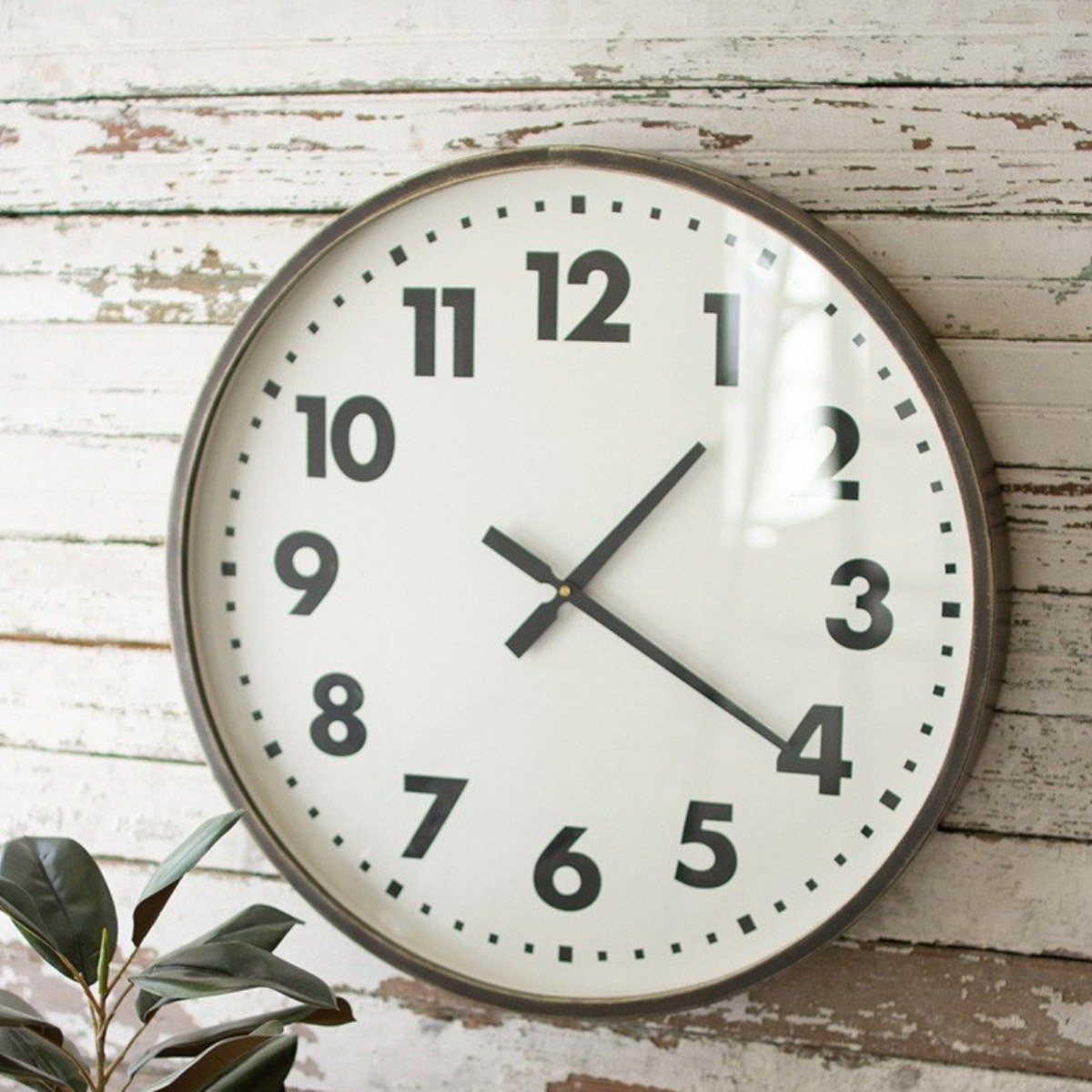

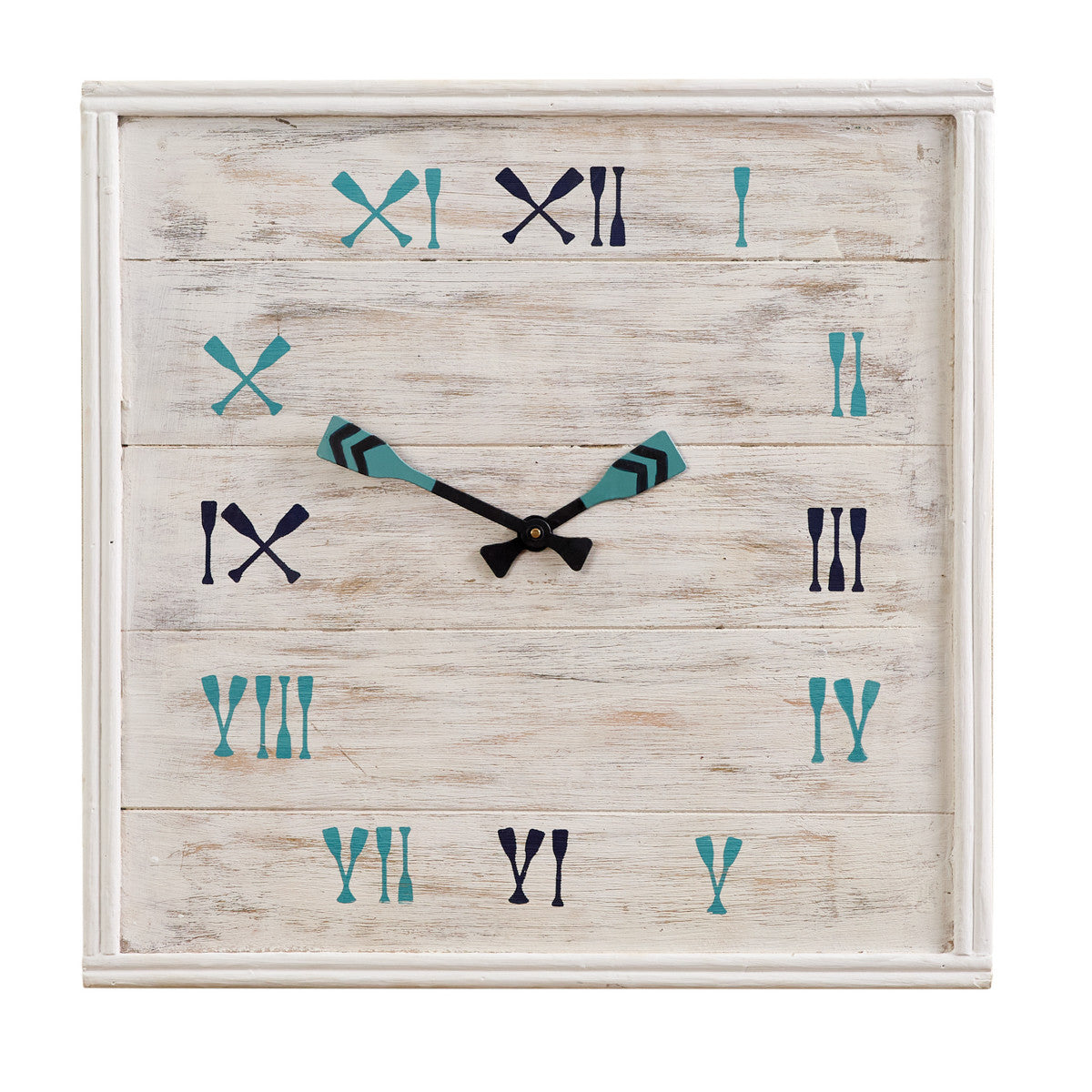


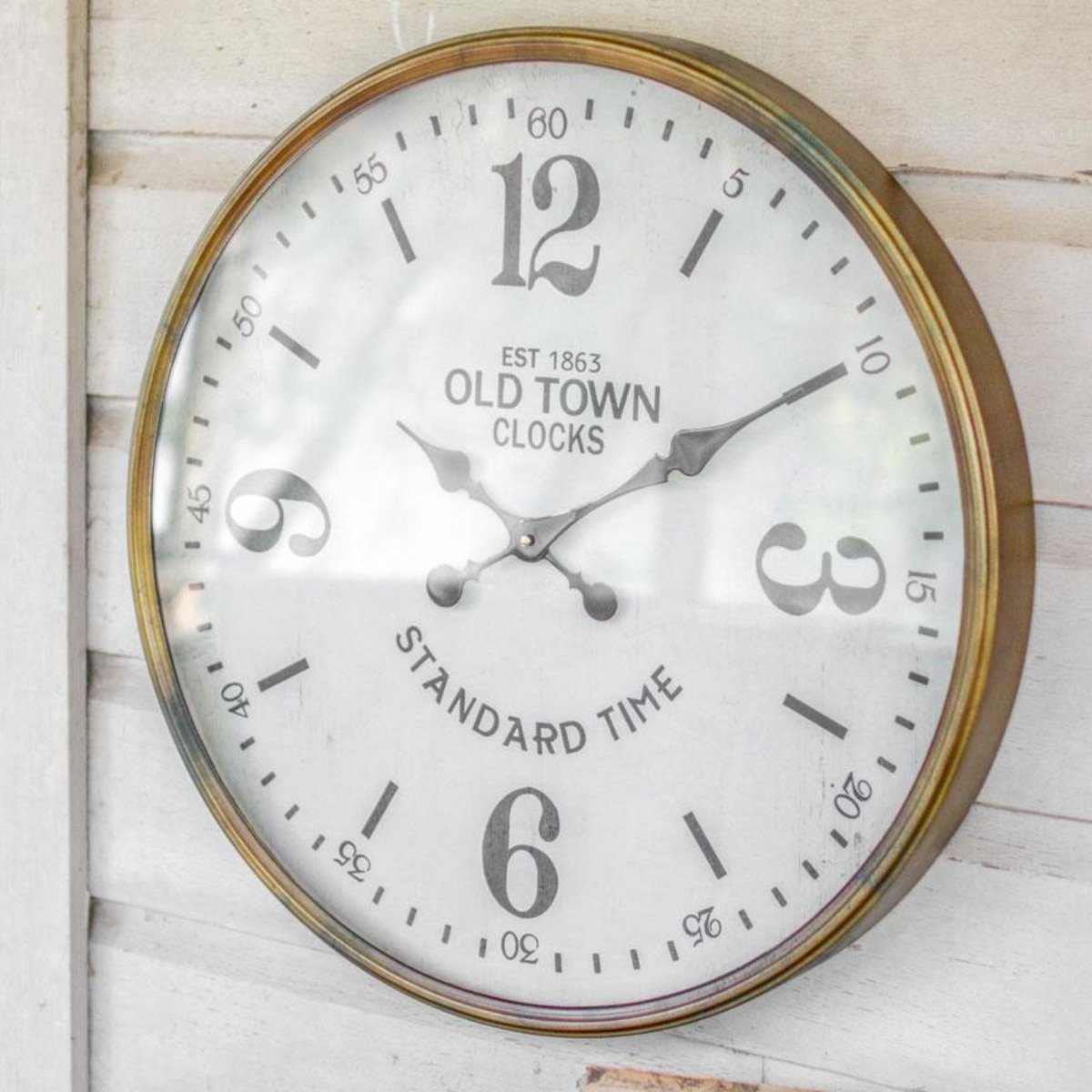





Measure the Full Diameter
Mark the clock's listed width and height on the wall before ordering. Painter's tape makes it easier to judge whether a 20-, 24- or larger-inch clock will feel substantial enough for the space.

Decorative Wall Clocks
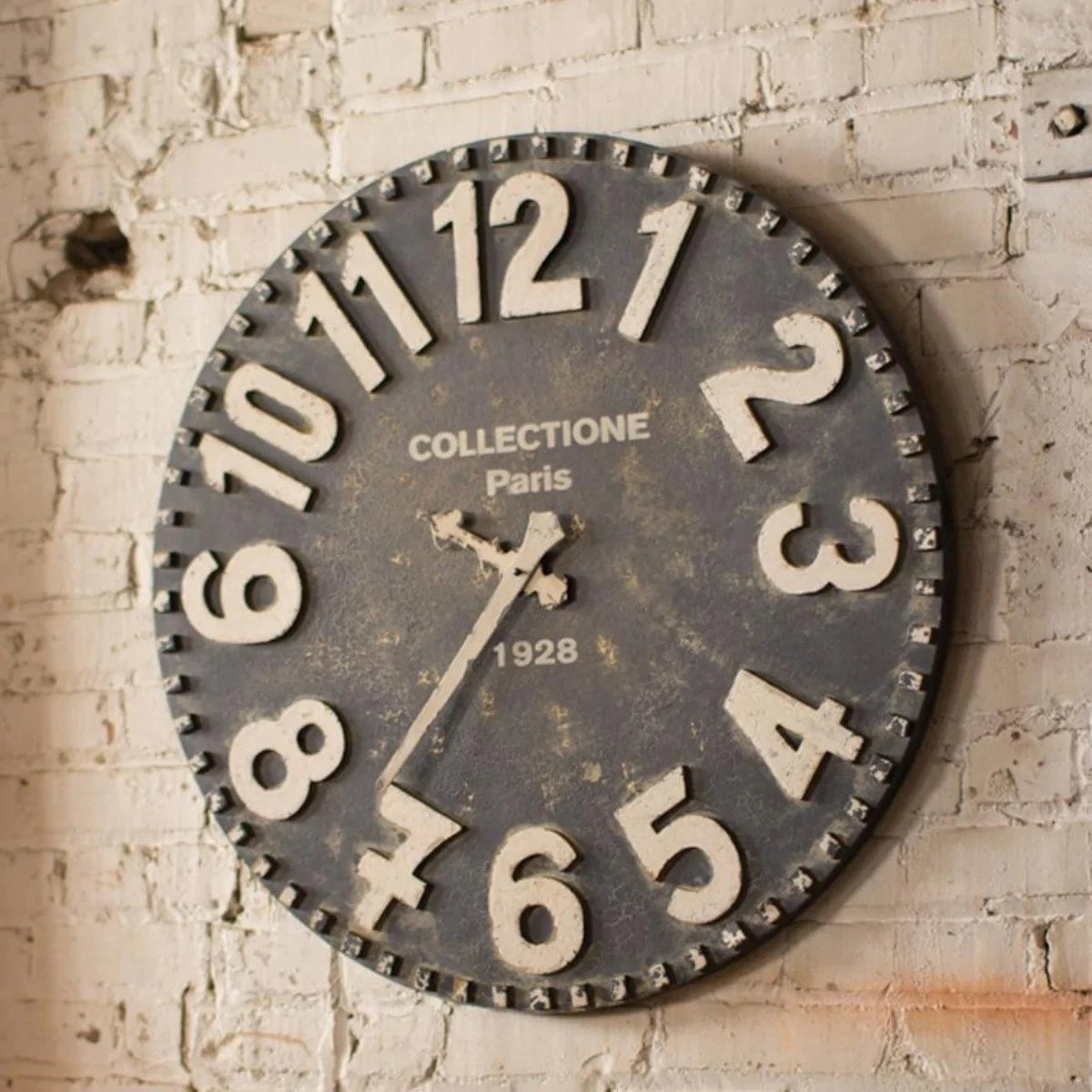
A wall clock is useful by nature, but the right one can also give a room a focal point. Scale, numerals, material and finish turn an everyday timepiece into part of the wall decor.
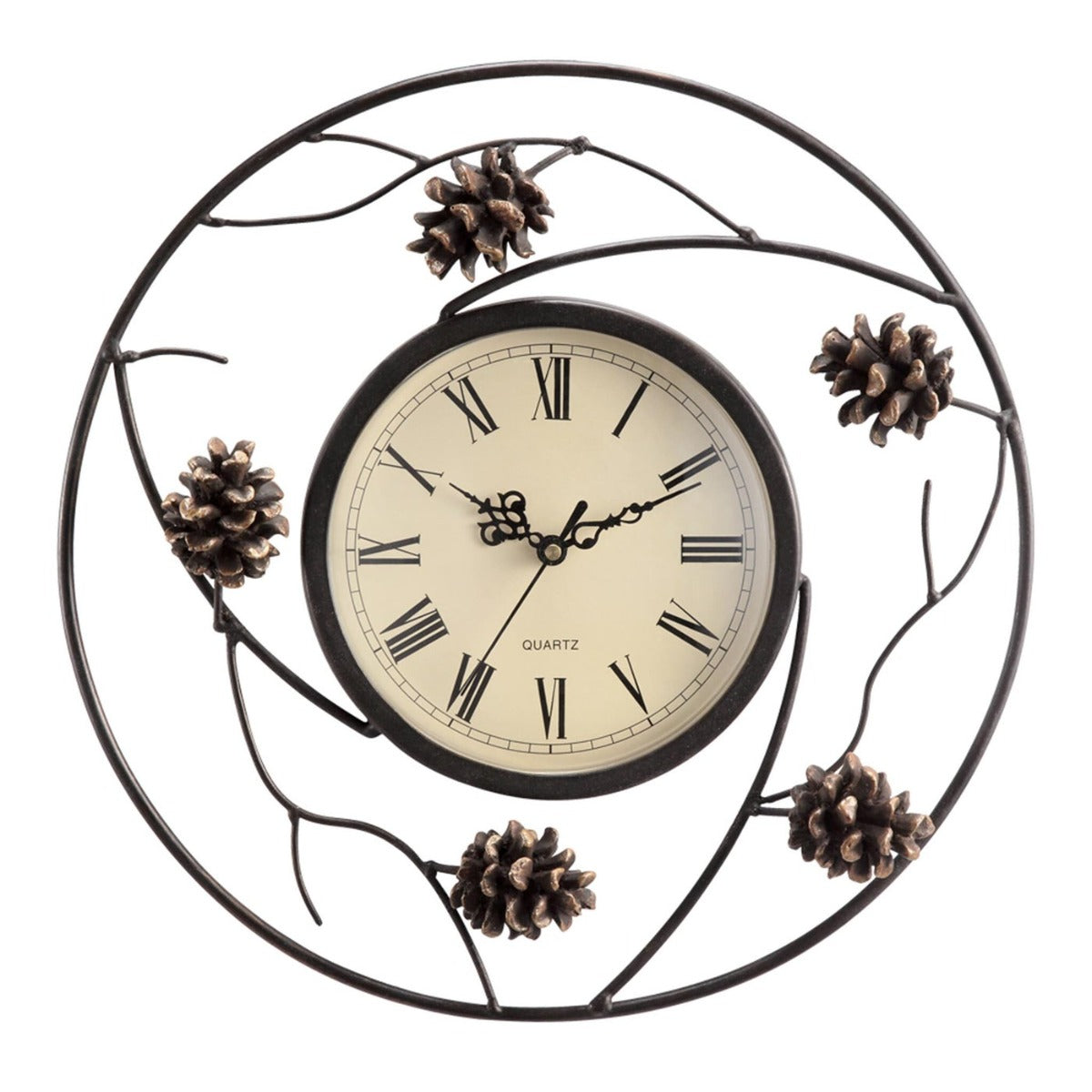
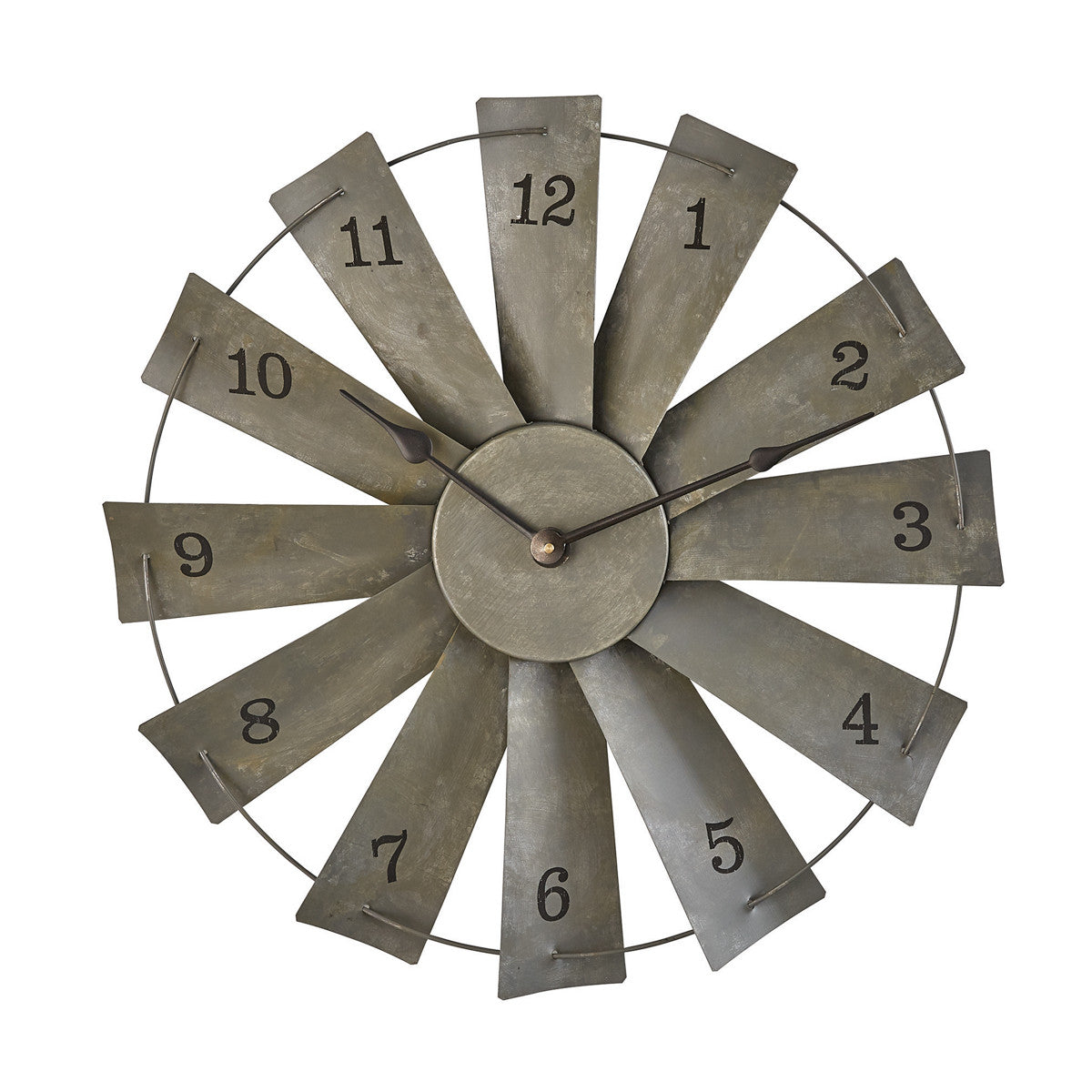
Explore decorative wall clocks in metal, wood and mixed materials, from clean graphic faces and Roman numerals to rustic windmill, nature-inspired and vintage-style designs for kitchens, living rooms, dining spaces and entries.
Before ordering: review the overall dimensions, depth, weight, numeral size, hanging method, movement and battery requirements shown on the individual product page.
Function Becomes Part of the Decor
A decorative wall clock has a natural advantage over purely ornamental wall art: people actually look at it throughout the day. That makes its shape, finish and placement particularly noticeable within the room.
A substantial clock can fill the space above a console or buffet, bring practical visibility to a kitchen or gathering room, or add graphic interest to an entry. Smaller clocks work where the wall needs function without becoming the dominant feature.
Start with the Wall
Diameter matters, but so do the furniture, ceiling height and empty wall area surrounding the clock.
Mark the clock's listed width and height on the wall before ordering. Painter's tape makes it easier to judge whether a 20-, 24- or larger-inch clock will feel substantial enough for the space.
Above a console, buffet or sofa, the clock should feel visually connected to the furniture rather than floating on an oversized wall. Leave enough open space around it for the circular form to read clearly.
Decorative frames and dimensional details can make a clock project farther from the wall than expected. Depth matters especially in hallways, entries and other places where people pass nearby.
Material Changes the Character
Construction varies throughout the collection, so review the individual product specifications when a particular material or finish matters to your room.
Metal can create everything from clean graphic numerals to galvanized windmill forms and sculptural nature-inspired frames. Distressing and aged finishes can soften the material considerably.
Wood adds warmth to metal hands, numerals and clock mechanisms. Mixed construction works particularly well in casual, cottage, lake-house and vintage-inspired interiors.
Glass protects some clock faces, while mirrored surfaces can reflect light and make a traditional Roman-numeral design feel more decorative and dimensional.
Where a Clock Is Most Useful
Kitchens and dining spaces are natural places for a wall clock because timekeeping is useful throughout the day. Look for clear hands and numerals that can be read without needing to stand directly in front of the clock.
Living rooms and family rooms can support a larger decorative clock as part of the wall design. A statement clock can take the place of framed artwork when the wall needs one strong, easily recognized form.
Entries and hallways give a distinctive clock an opportunity to make a first impression while still serving a practical purpose. Check the depth carefully in narrow passages.
Home offices benefit from a clock that is easy to read without reaching for a phone. A simpler face may be more useful here, while the frame and finish can still complement the room.
Let the Clock Bring Some Personality
Roman numerals, aged frames and traditional faces bring the familiarity of an older timepiece to rooms that feel layered, collected or historically inspired.
Weathered metal, wood, pinecones, branches and windmill forms bring a more relaxed quality to cabins, lake houses, farmhouse interiors and casual gathering spaces.
Strong contrast and straightforward numerals create a quieter, easier-to-read clock that can work in transitional and more contemporary rooms without demanding elaborate decoration.
Before You Hang It
Larger metal or glass clocks may weigh considerably more than lightweight decorative pieces. Match the fastener or anchor to both the clock weight and your wall construction.
Check how the clock is designed to hang before drilling. Wall anchors, studs, masonry fasteners and other supports may be required depending on the product and installation surface.
Wall clocks require occasional battery changes and time adjustments. Choose a location where the clock can be safely removed or reached when the movement needs attention.
Review the individual product specifications rather than assuming all wall clocks use the same battery, movement or mounting method.
Common Questions
Start with the available wall area and any furniture beneath the clock. Mark the listed diameter on the wall with painter's tape before ordering. A larger clock can serve as the main focal point, while a smaller clock works better where other wall decor shares the space.
A 24-inch clock has enough presence to become a noticeable decorative element in many kitchens, dining rooms, entries and living spaces, although it may feel modest on a very large or tall wall. Compare the actual diameter with your wall before deciding on scale.
Not all of them. The collection includes metal, wire and sheet metal, wood-and-metal, and metal-and-glass designs. Materials vary by product, so check the individual specifications rather than assuming every decorative metal wall clock is wrought iron.
Yes. A kitchen wall clock combines useful timekeeping with wall decor and is especially practical when the face can be read from the primary cooking or gathering areas. Consider visibility, wall space and proximity to heat or moisture.
Common locations include above a console, mantel or other broad piece of furniture, or on an open wall where the clock can serve as the primary focal point. Relate the clock's diameter to the furniture and wall rather than hanging it simply at the center of the available space.
It varies by product. Review the individual clock specifications for the required battery type and whether batteries are included.
Hanging arrangements vary by manufacturer and design. Even when a clock includes an attached hanger, the wall fastener or anchor may need to be selected separately for your wall construction and the weight of the clock.
Do not assume a decorative wall clock is suitable for exterior exposure. Moisture, temperature changes and sunlight can damage the movement, face and finish. Use a clock outdoors only when its product information specifically indicates that it is designed for that environment.
Continue Shopping