Your Cart is Empty

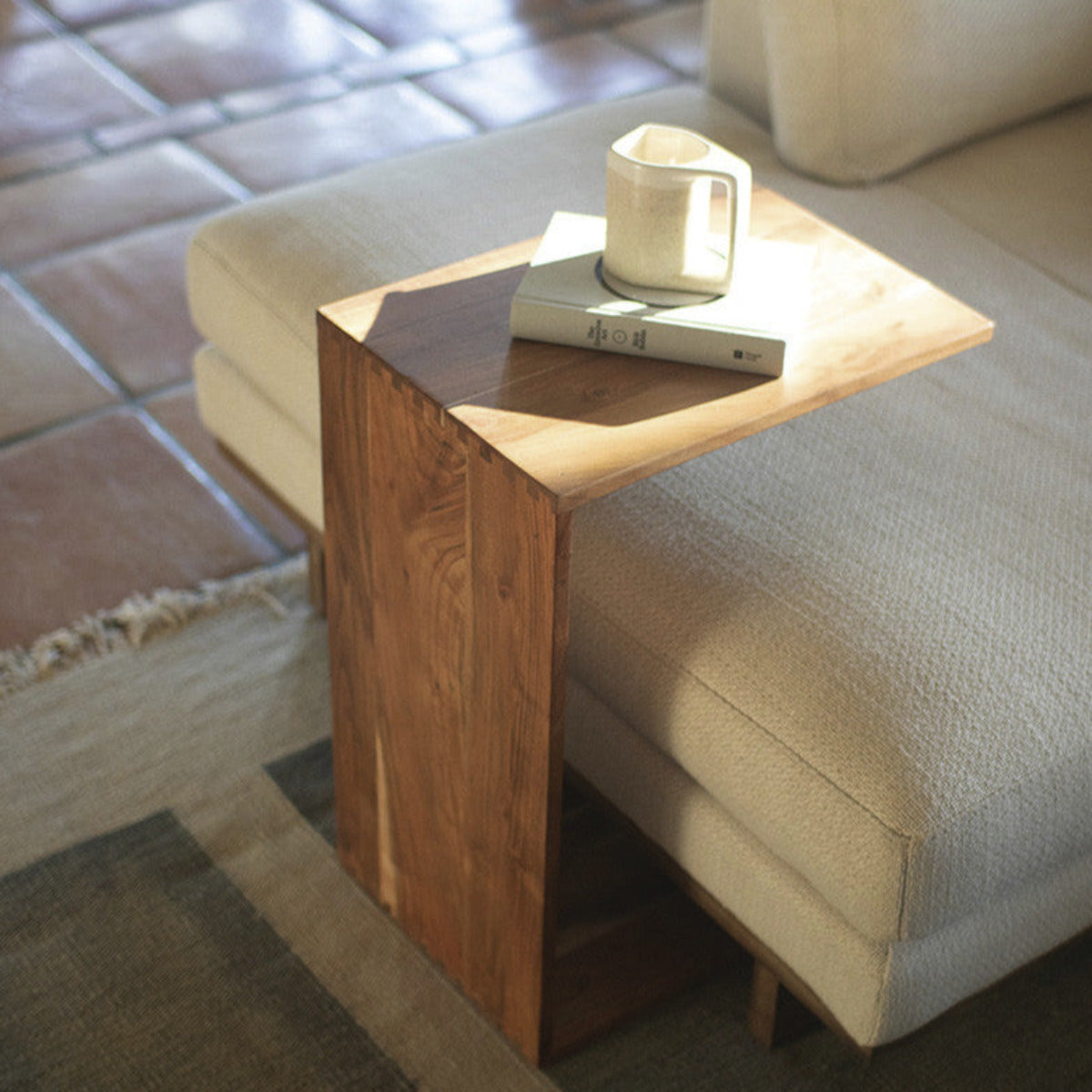


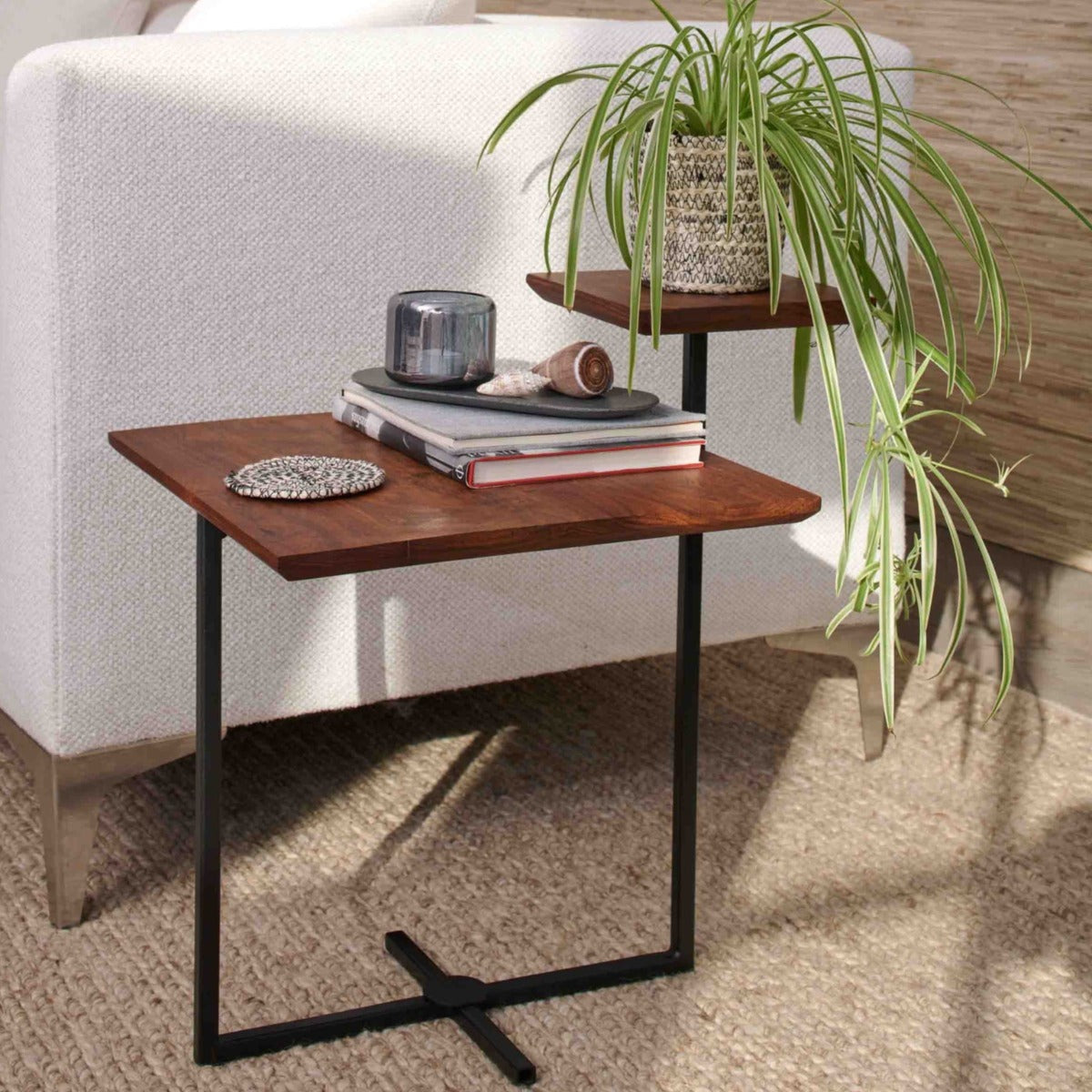


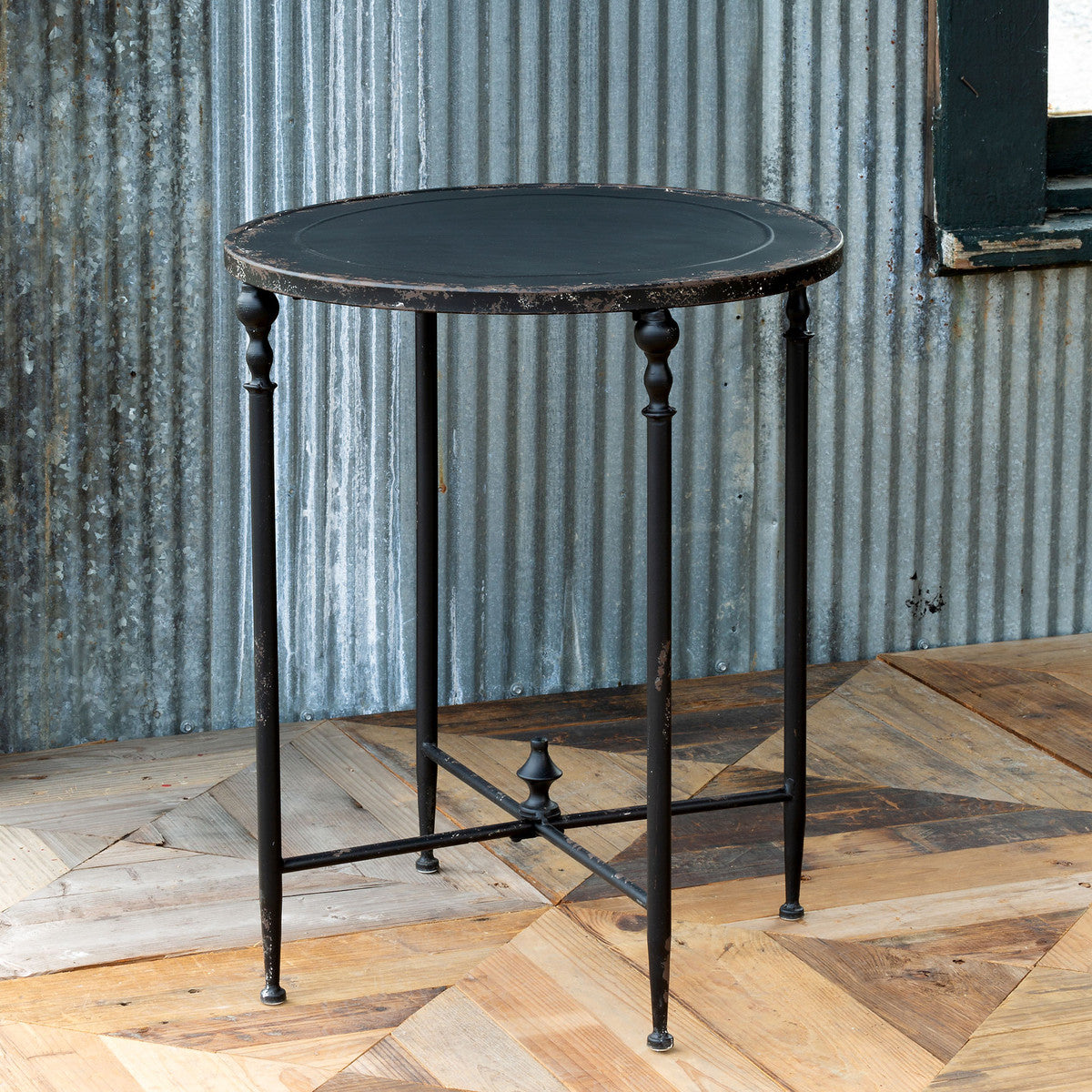


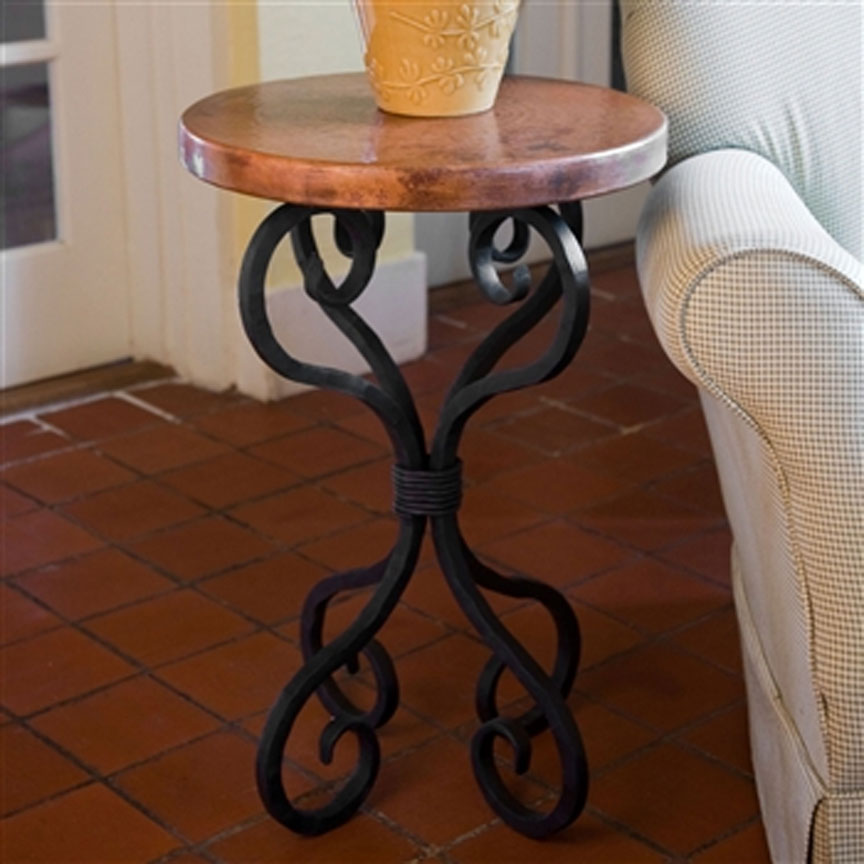


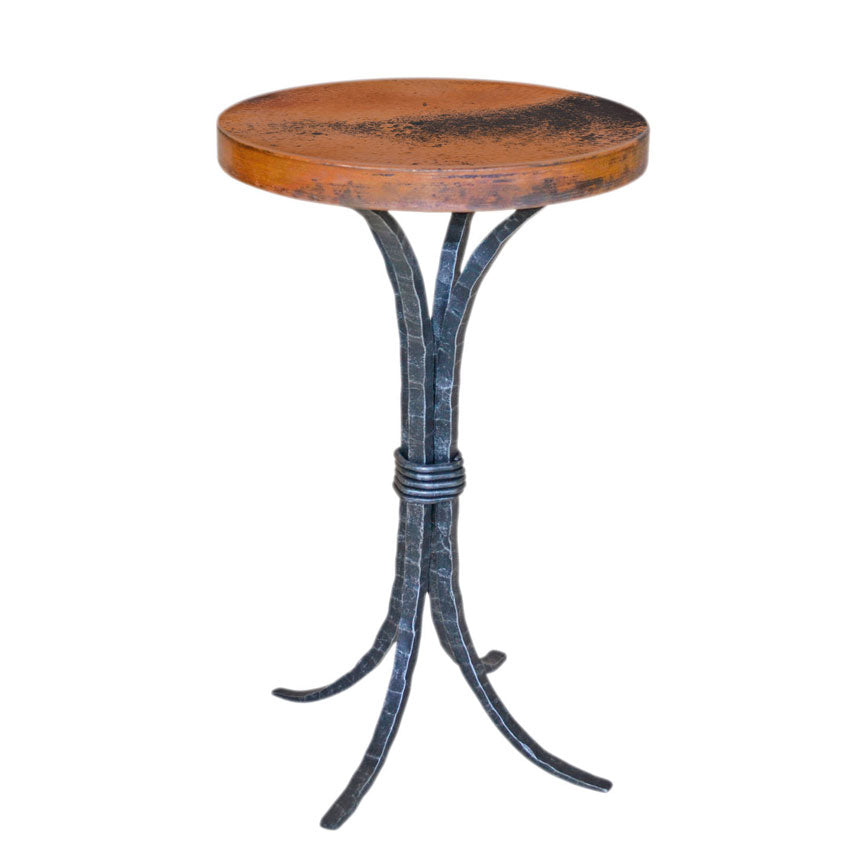


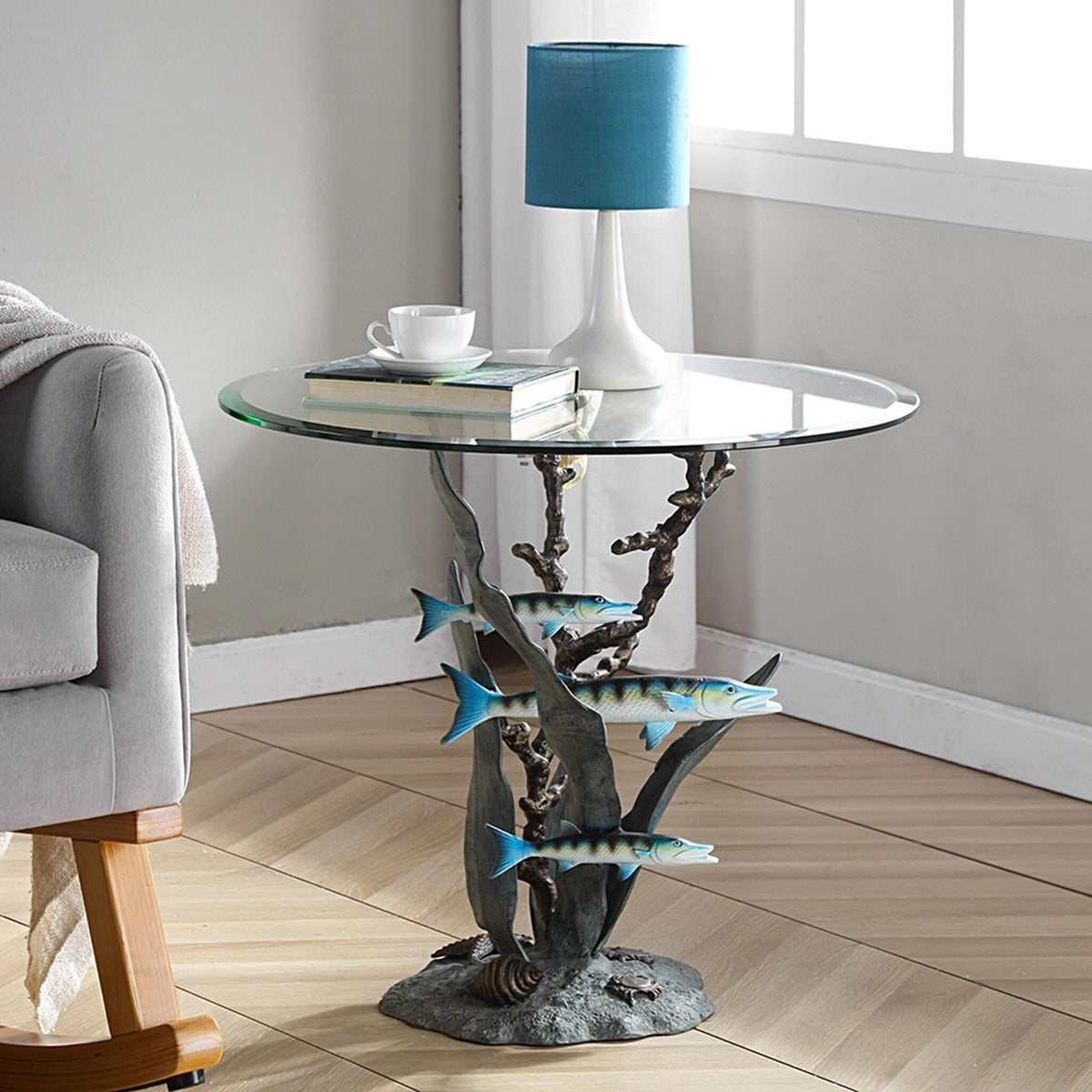


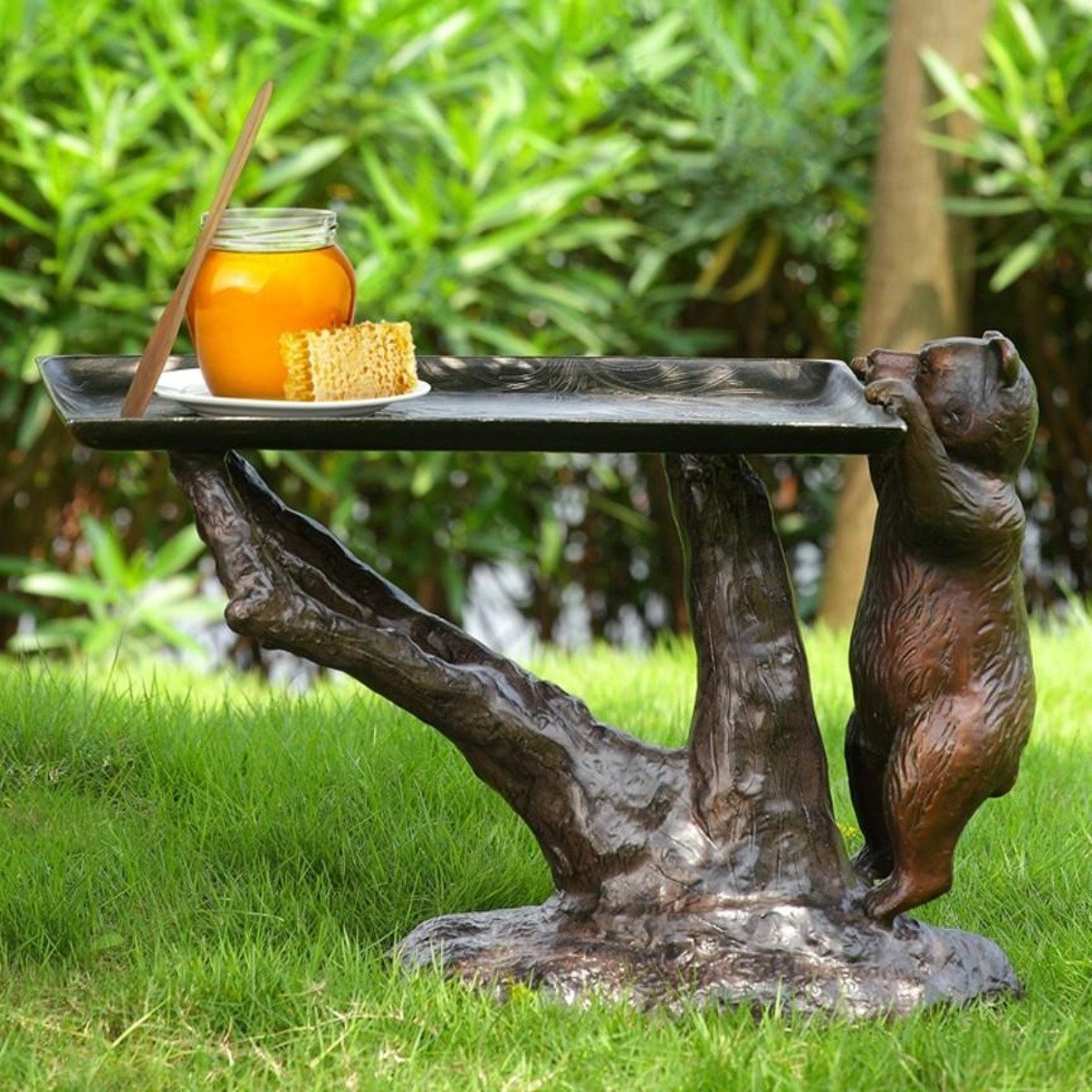
















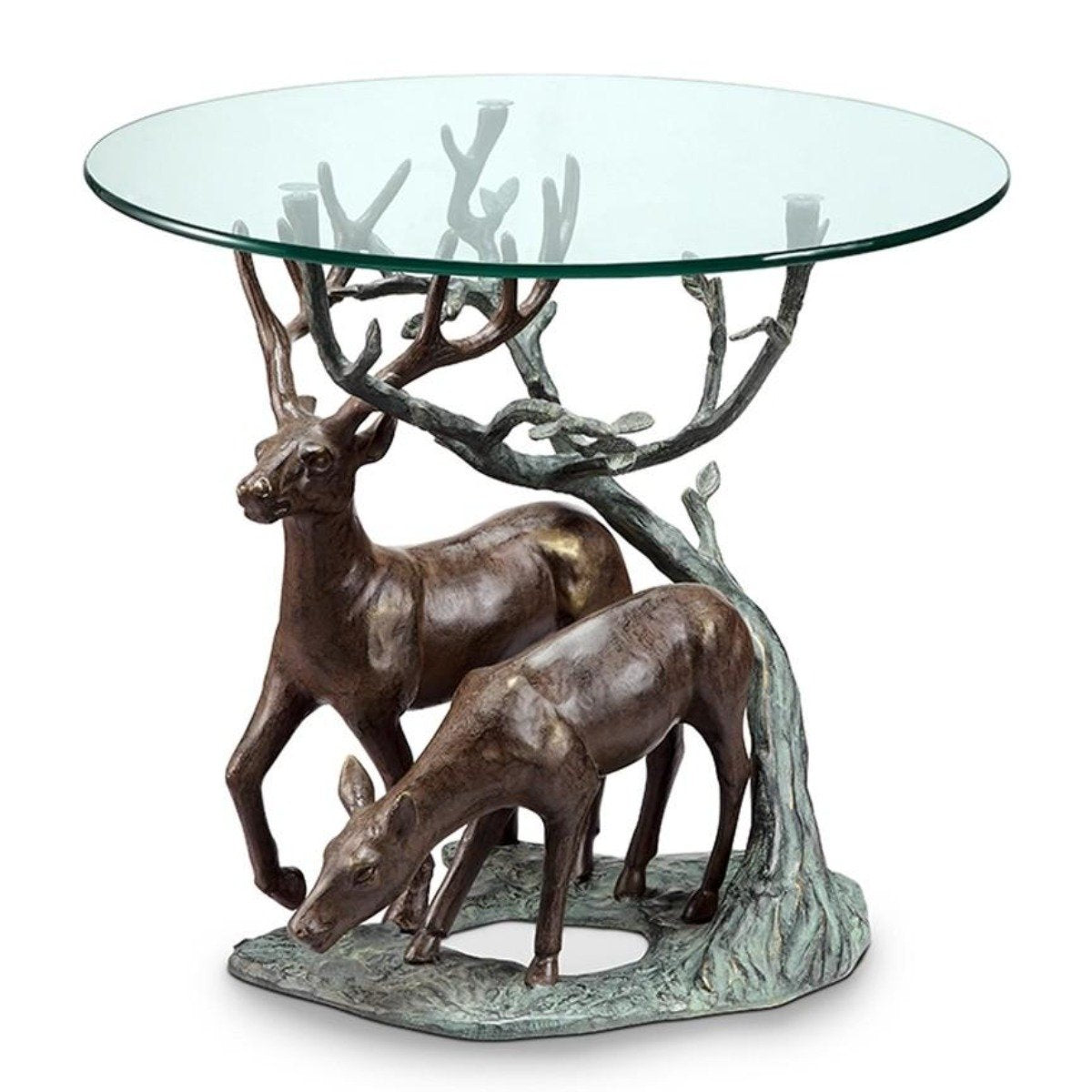


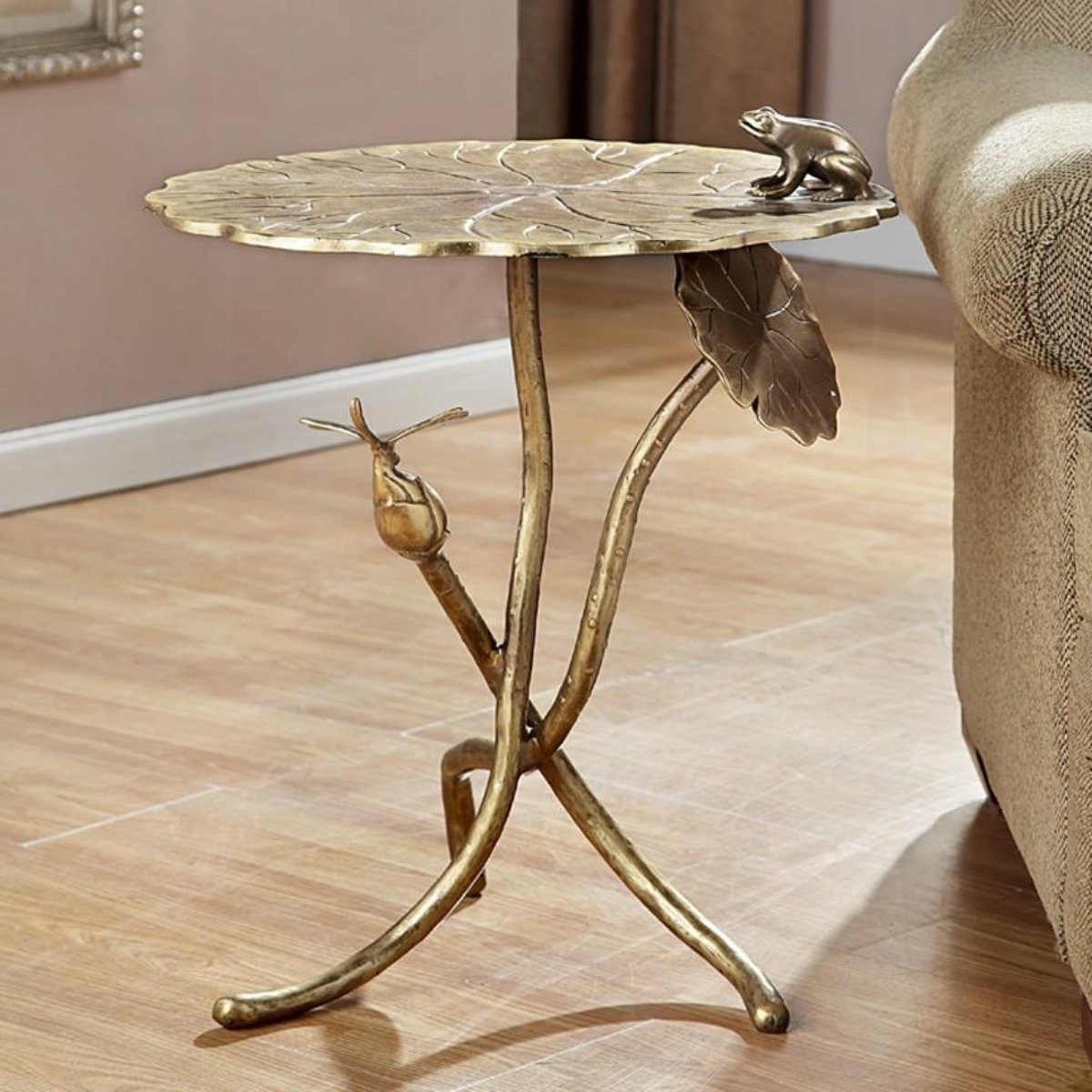


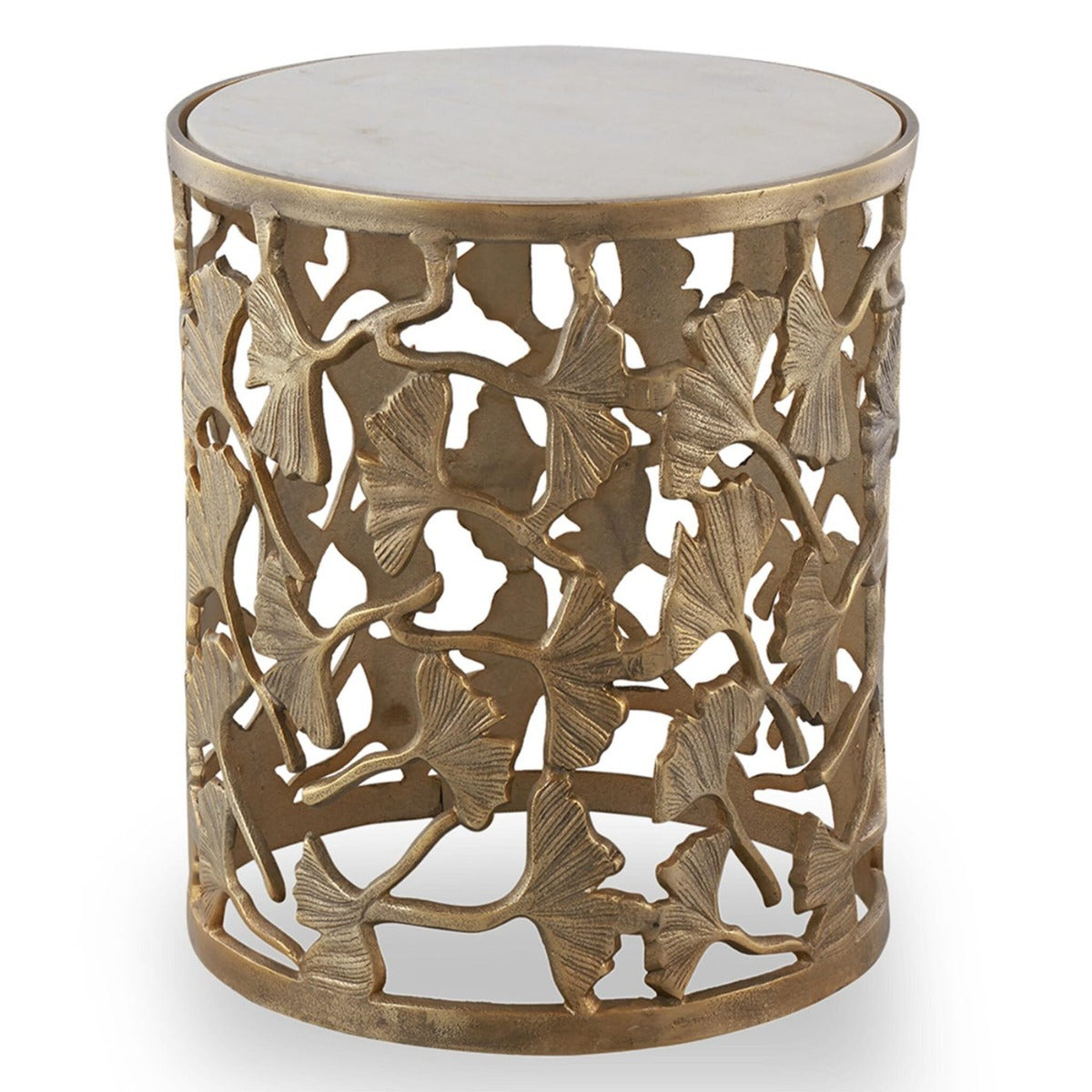


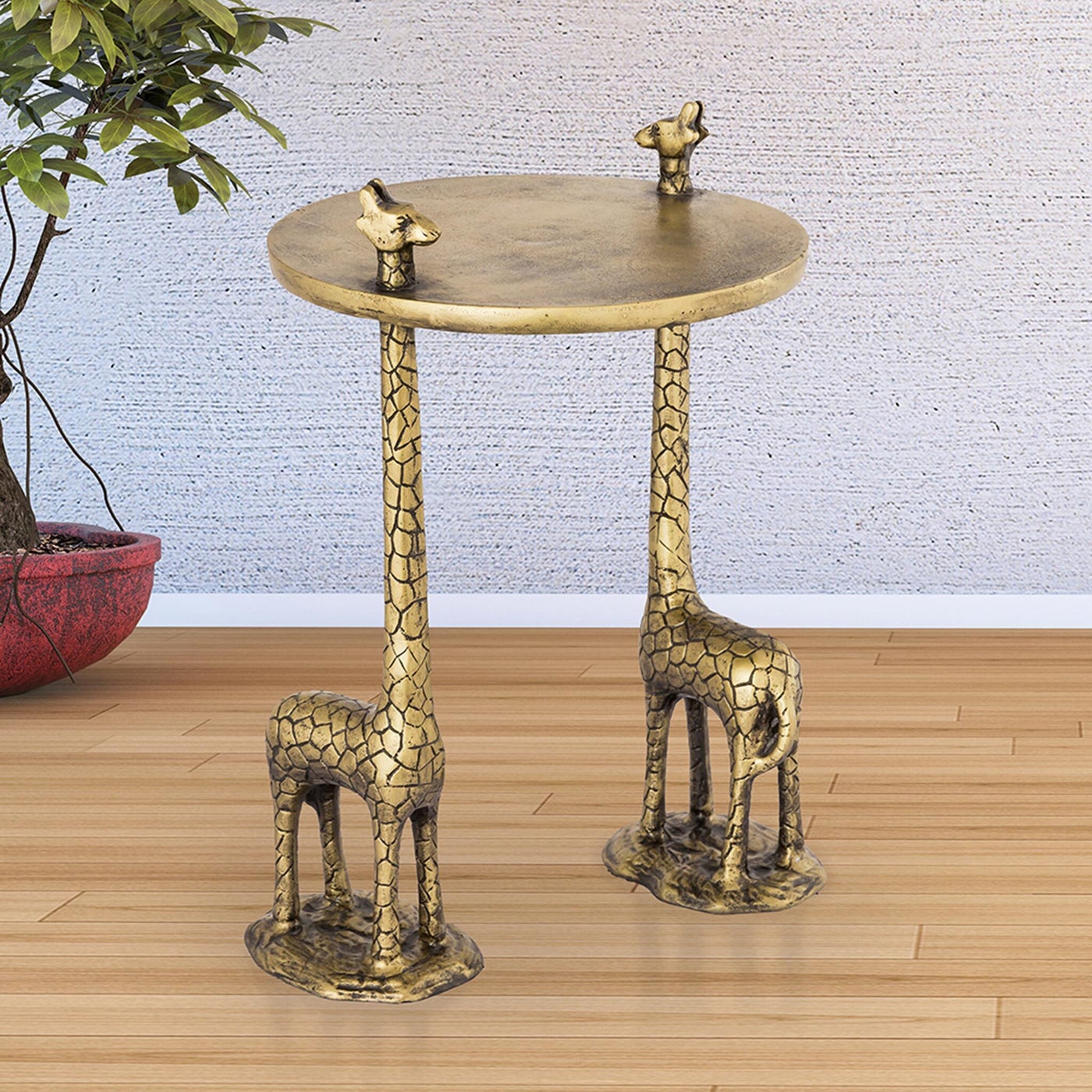

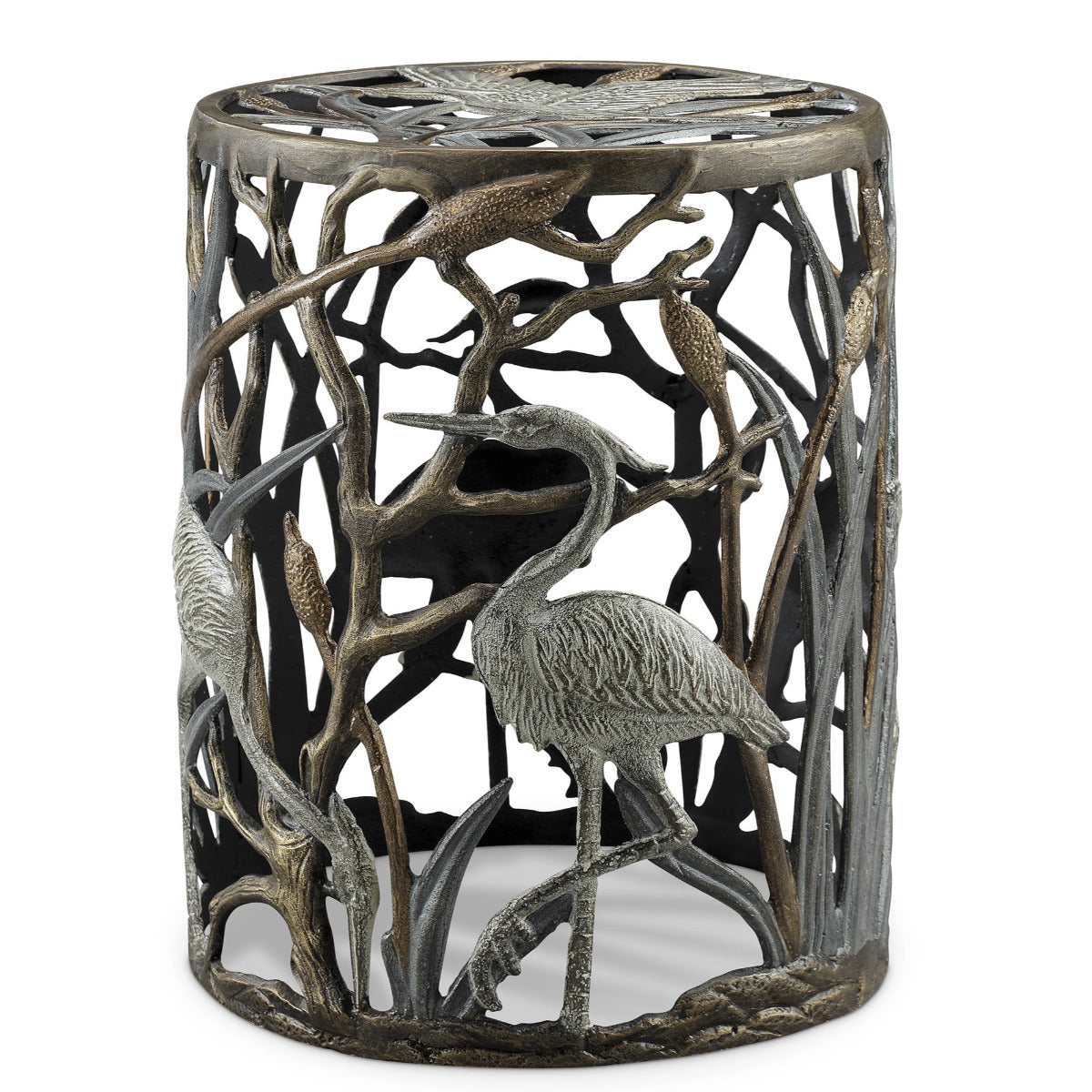


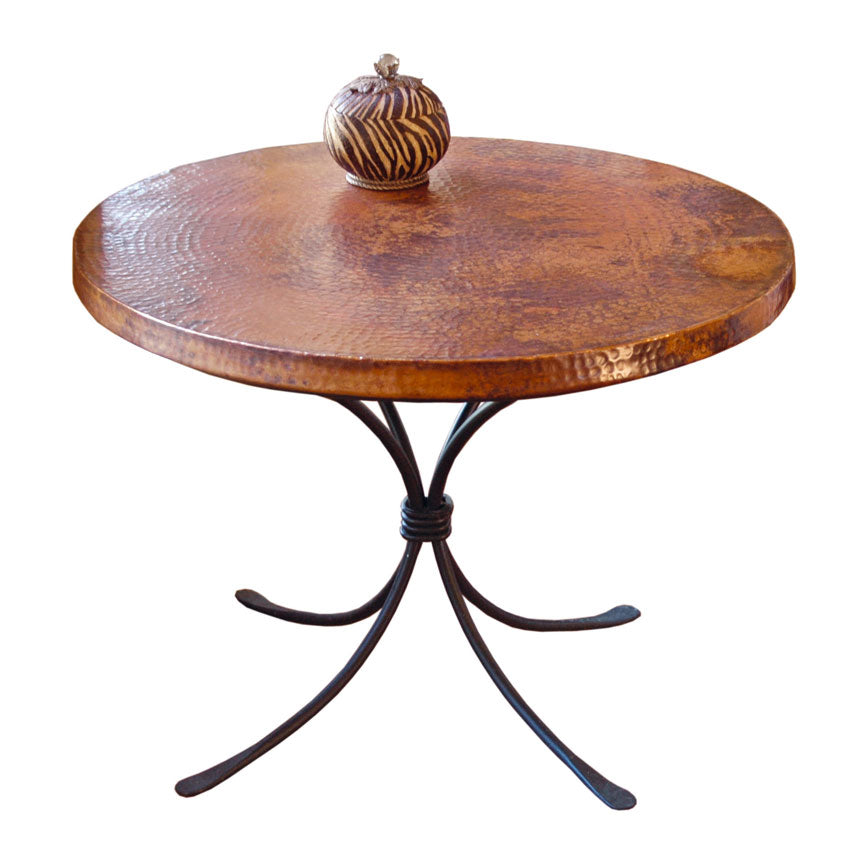

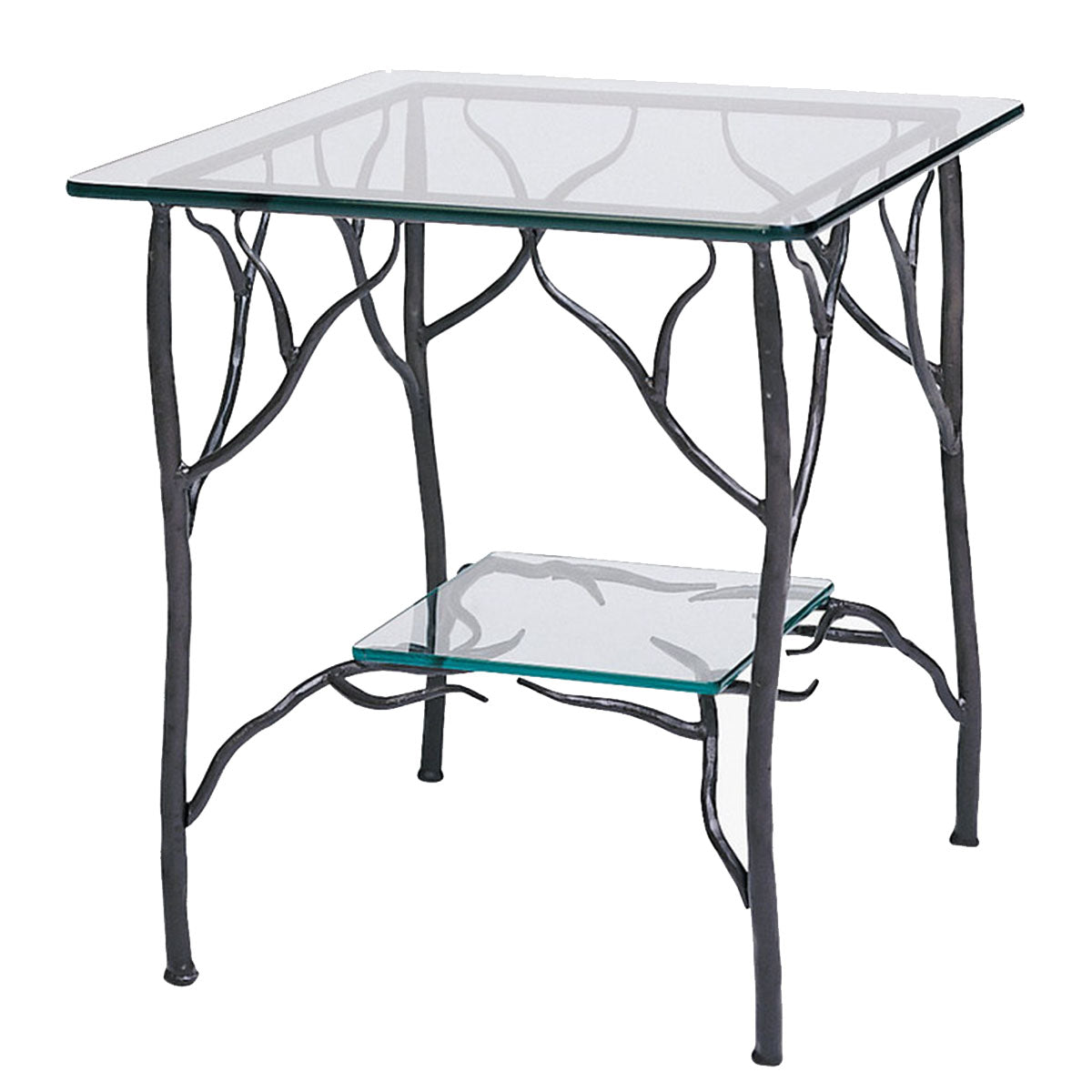


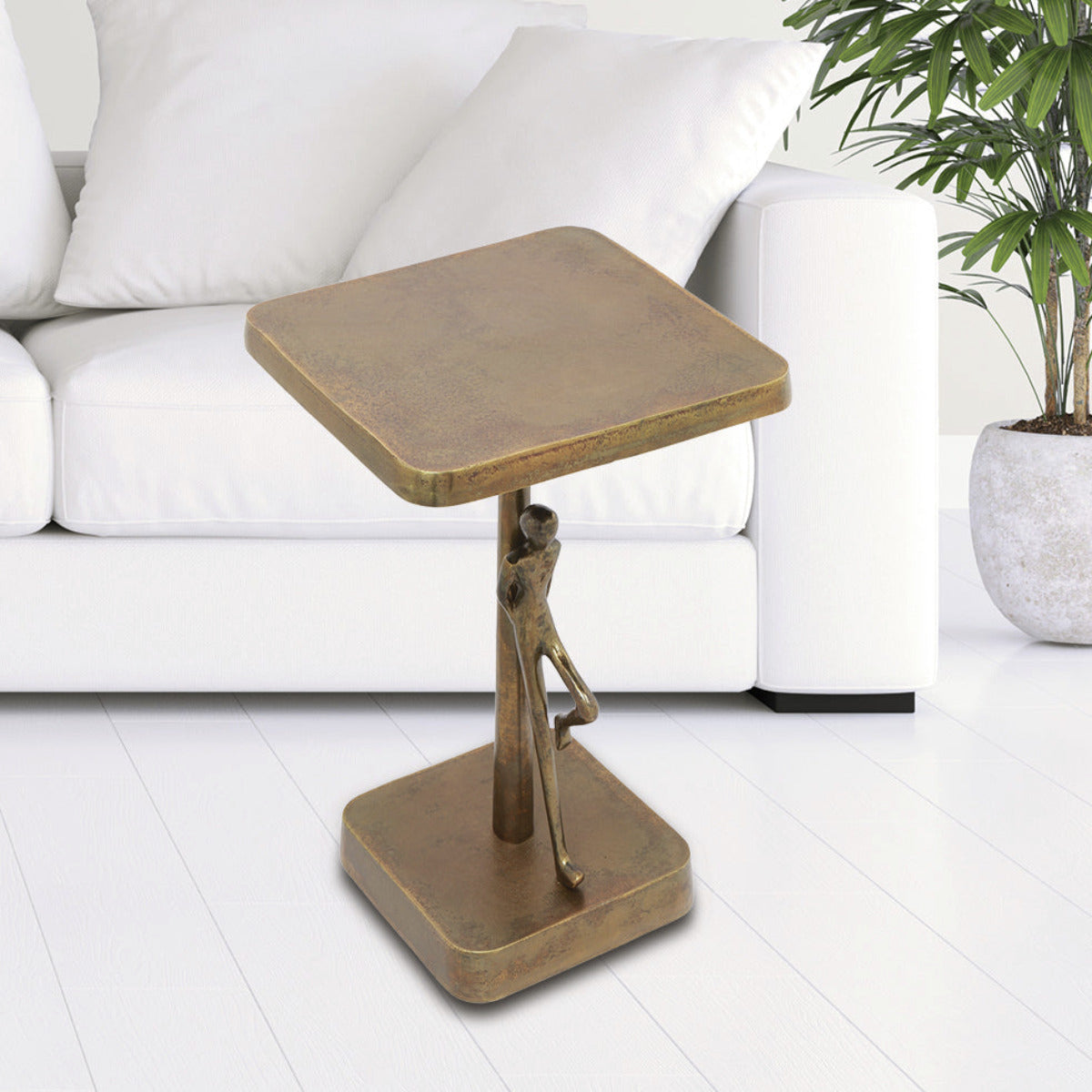


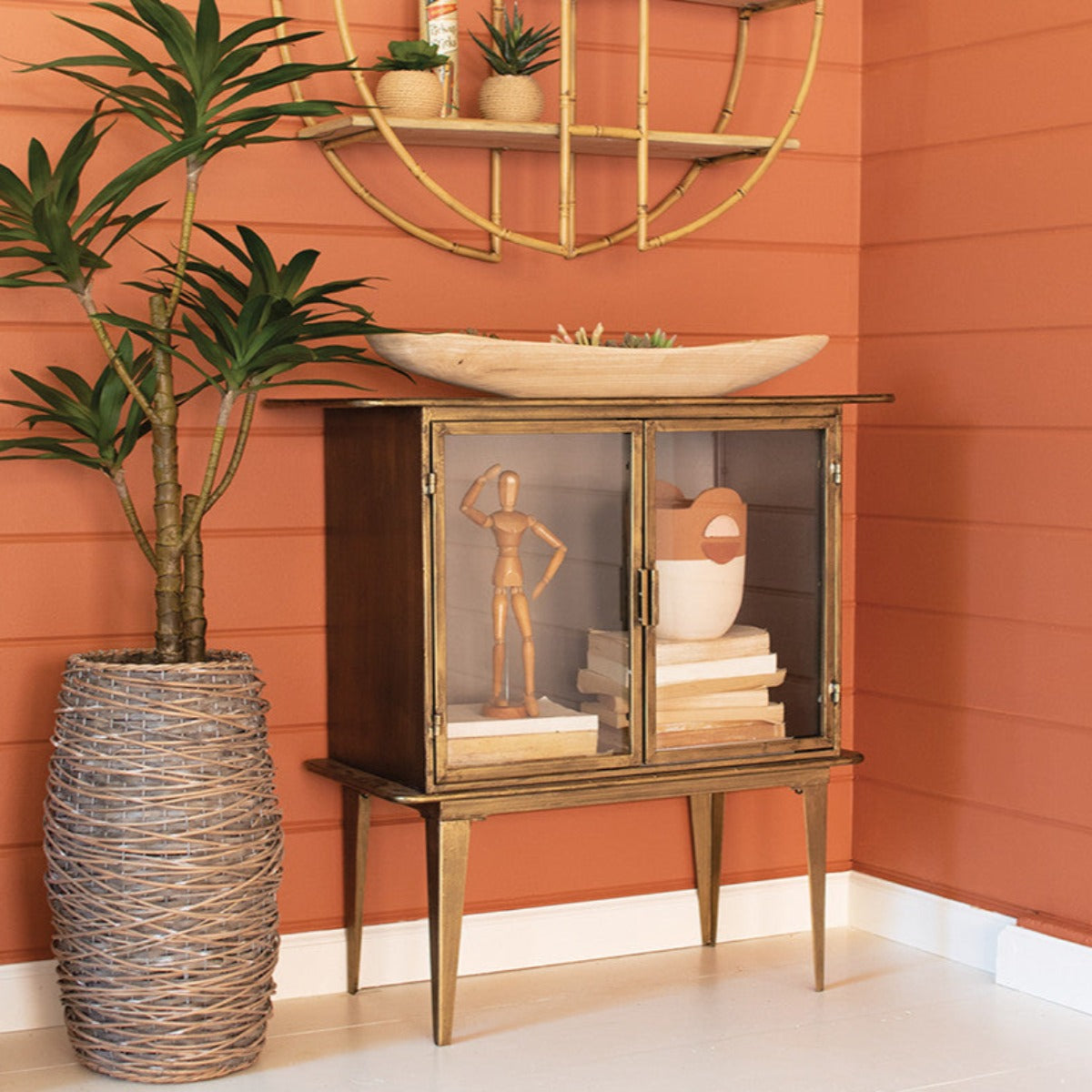


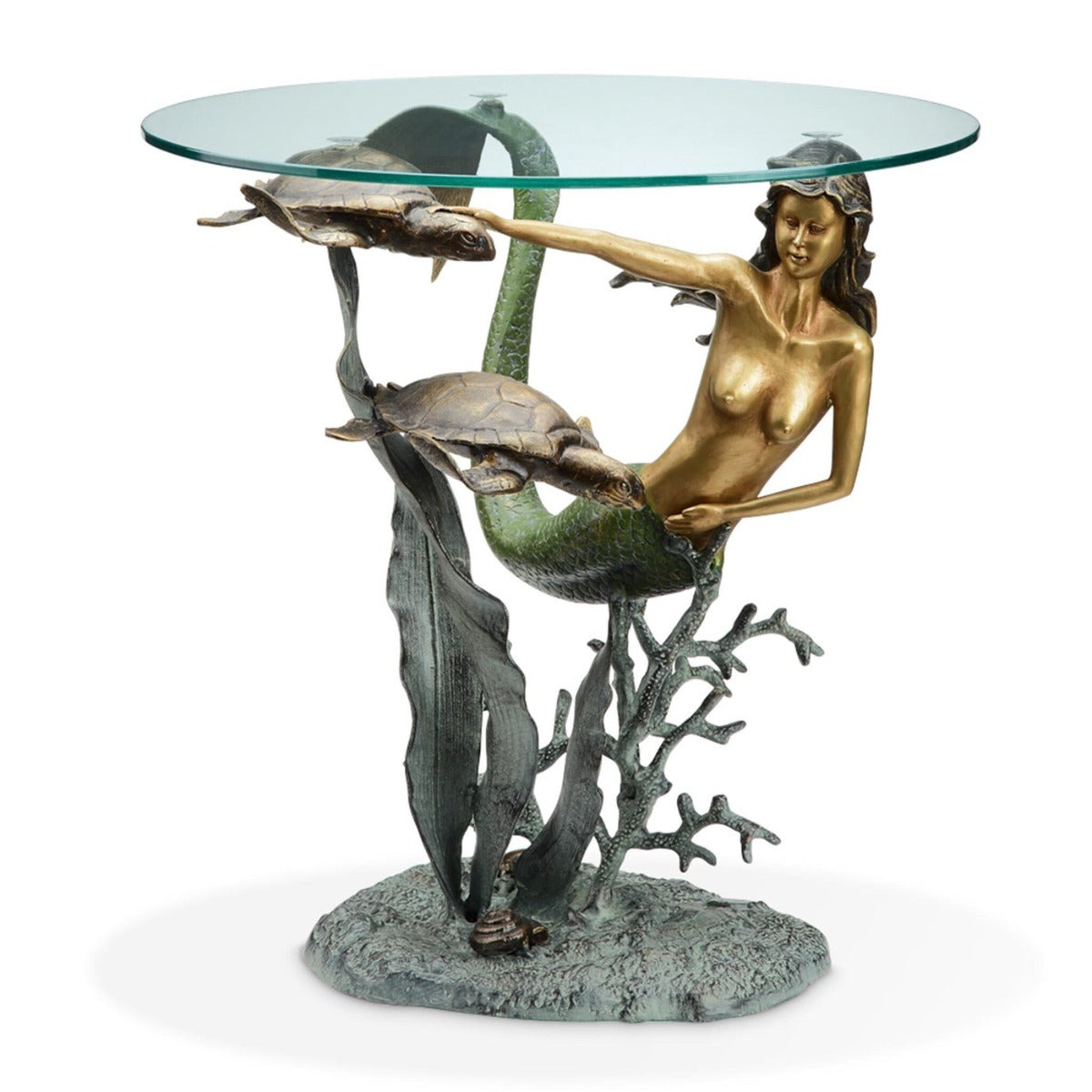

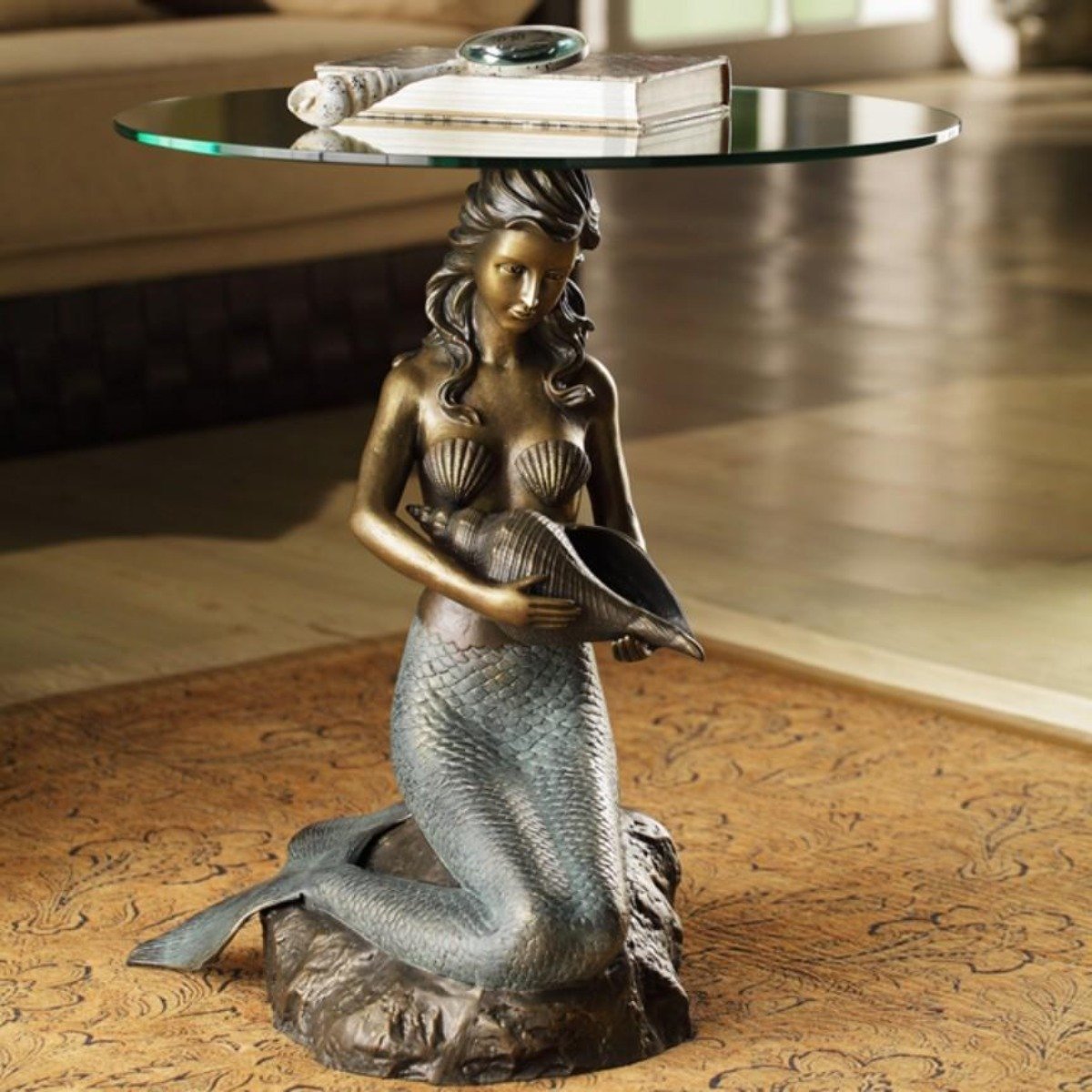

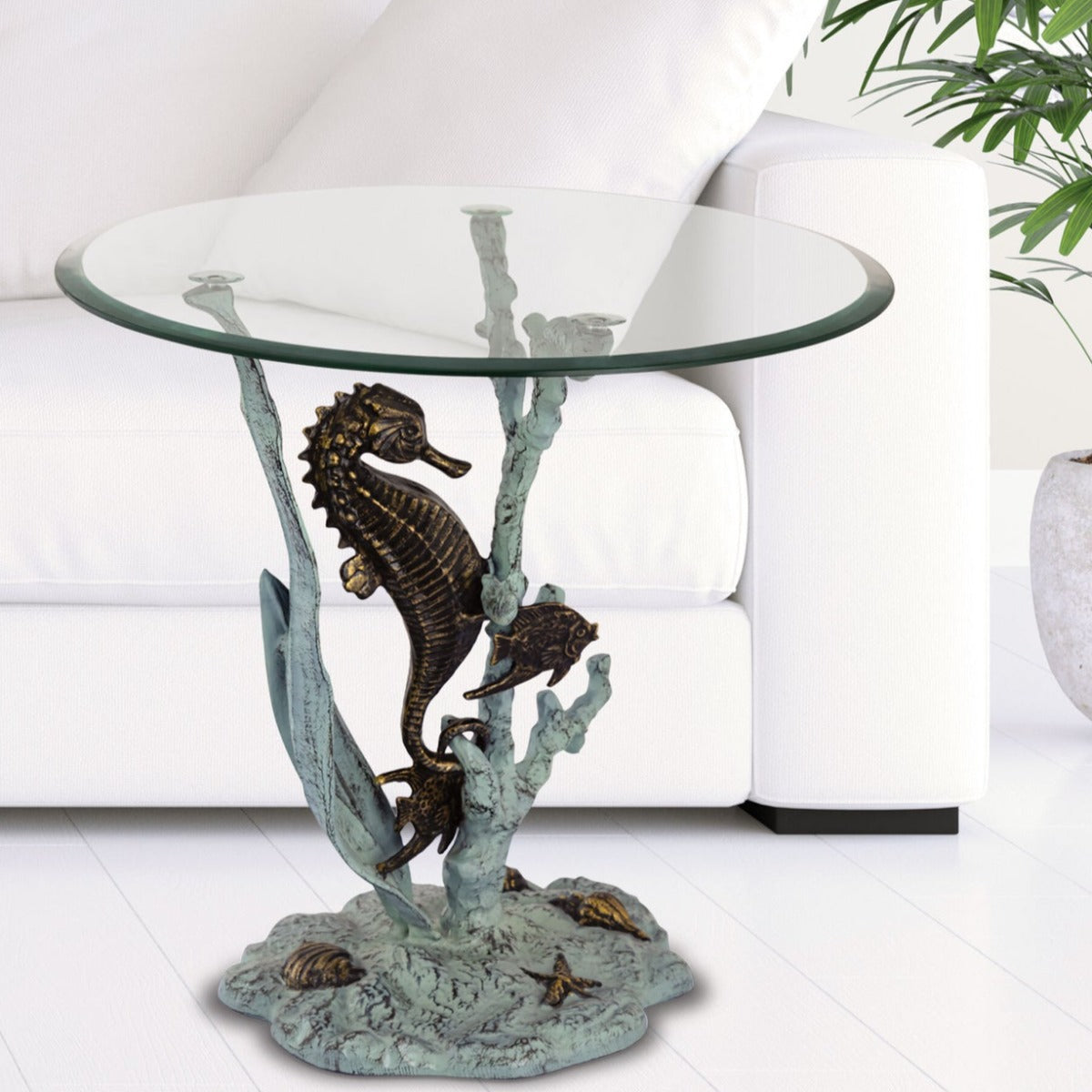









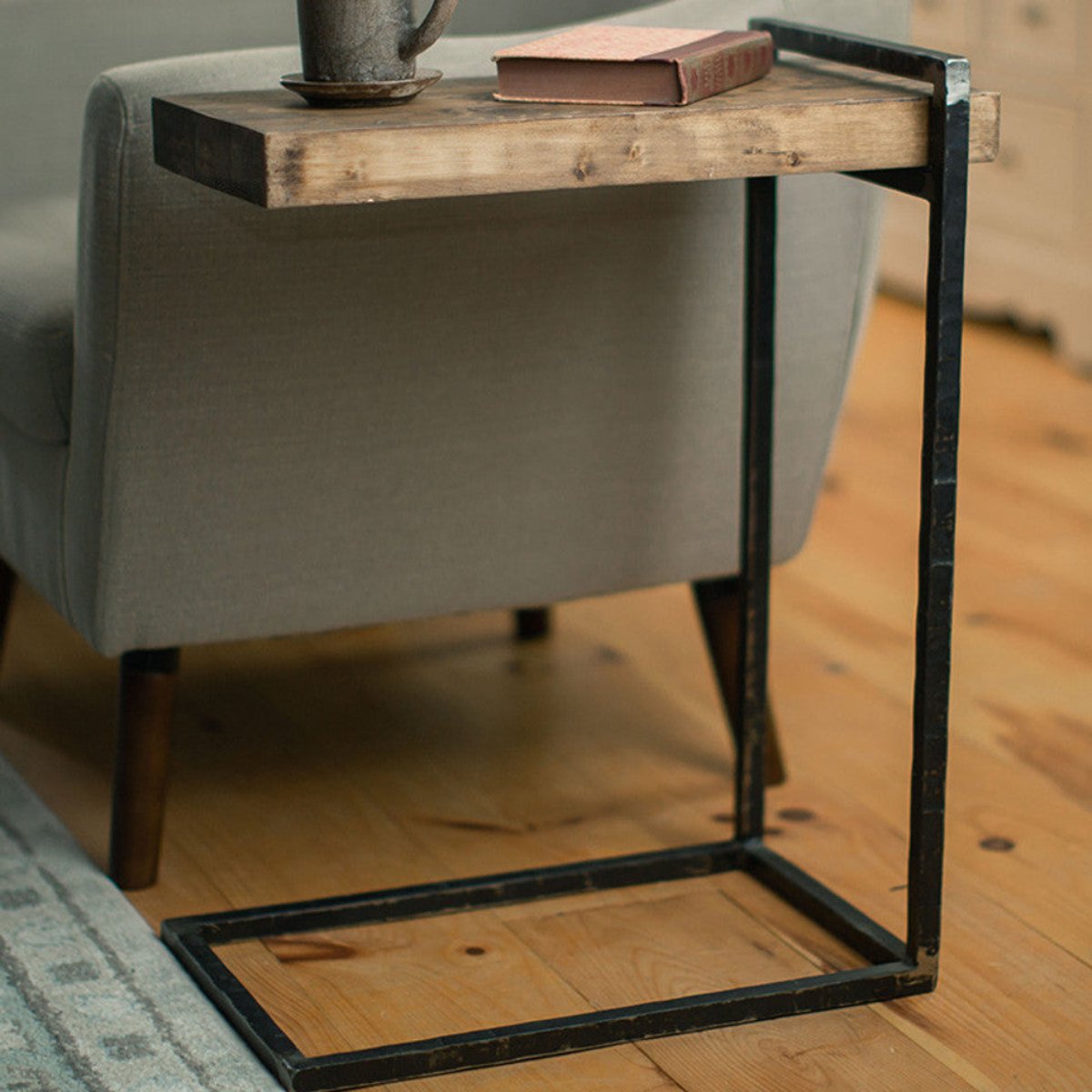
Beside a Sofa or Chair
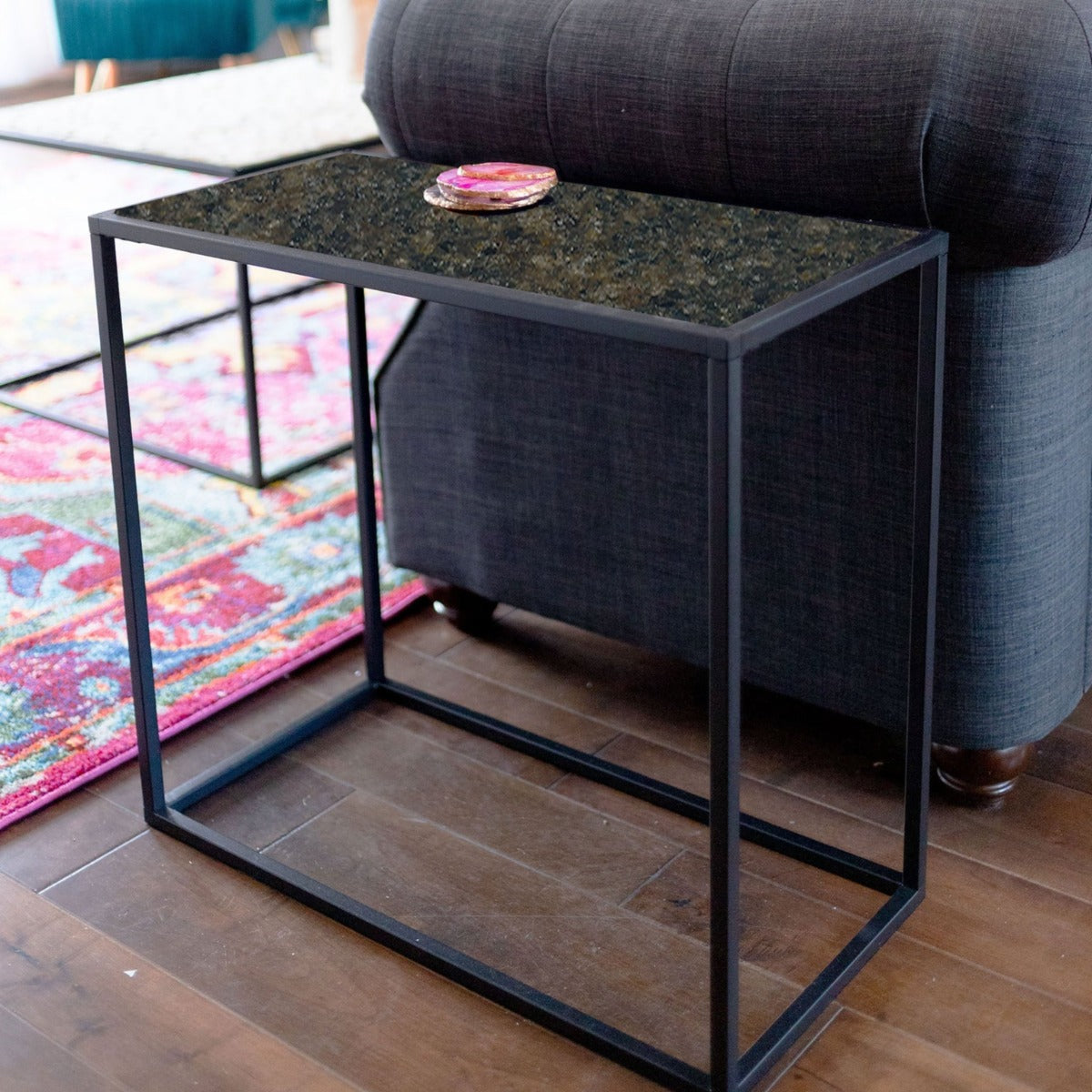
A surface near the height of the chair arm is usually easiest to reach. Check the table width and depth so it does not crowd the seat or interrupt the walkway.

Side & Accent Tables
The right small table quietly completes a room. Placed beside a sofa, armchair or bed, it creates a welcoming place for a lamp, a favorite book, morning coffee or the little things you want close at hand.
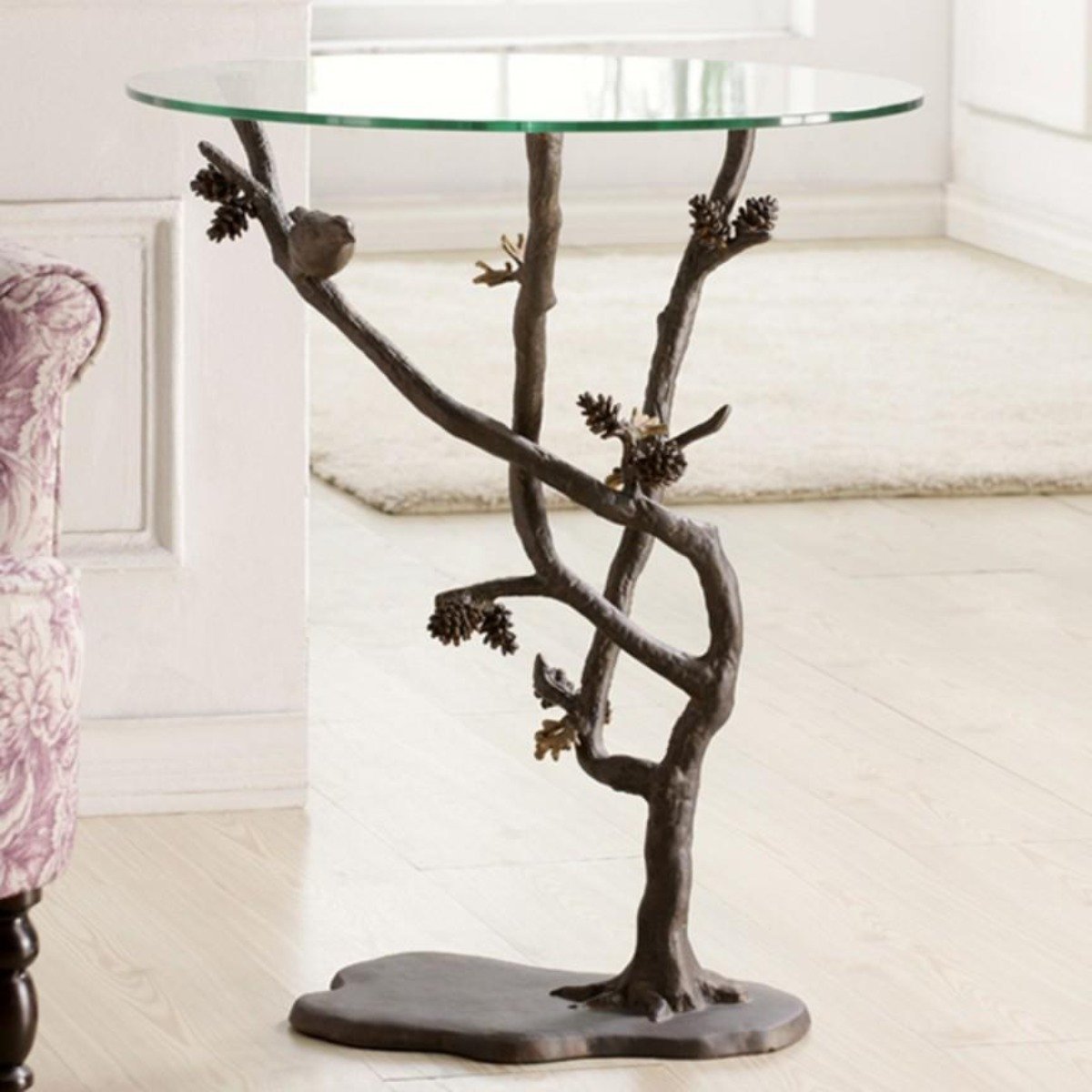
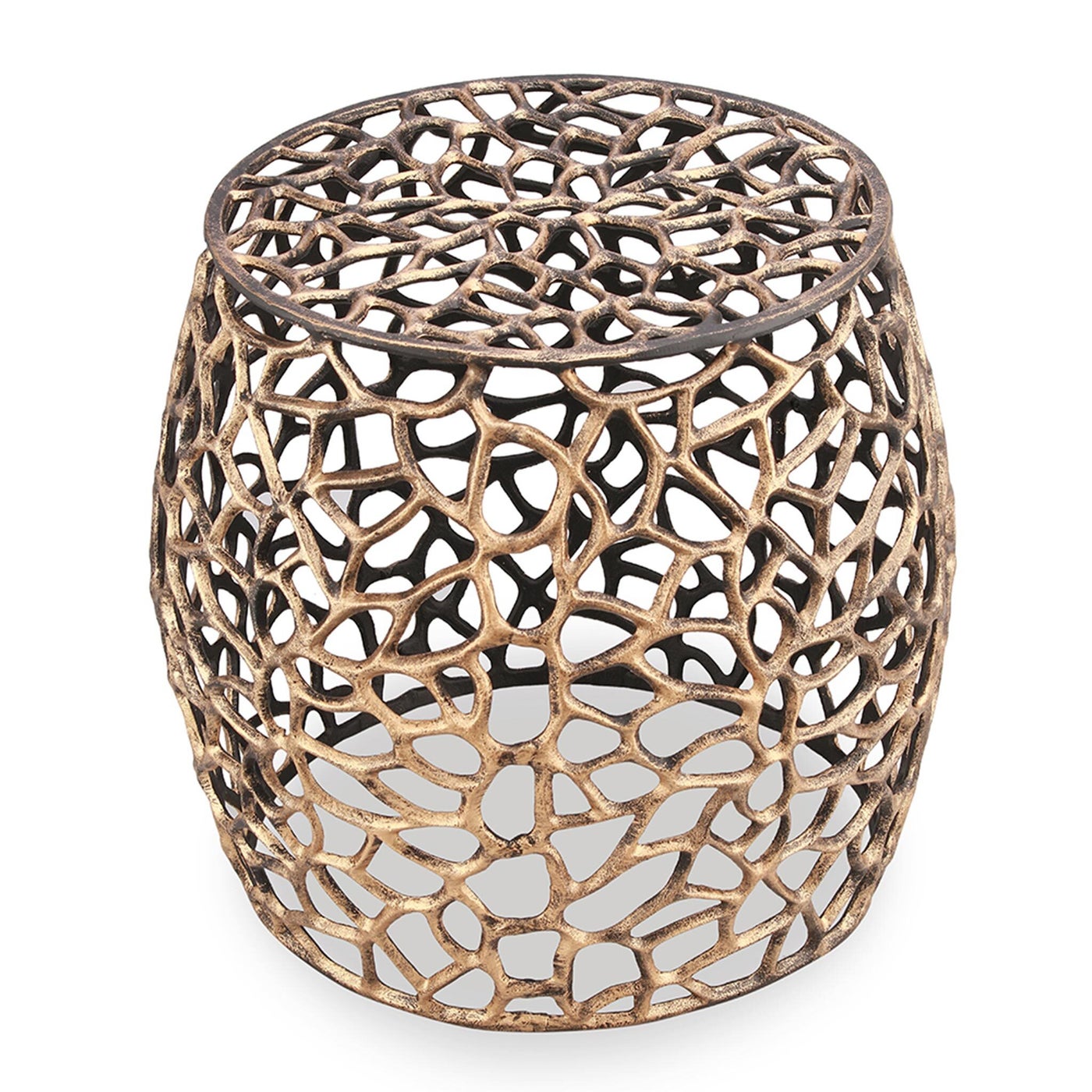
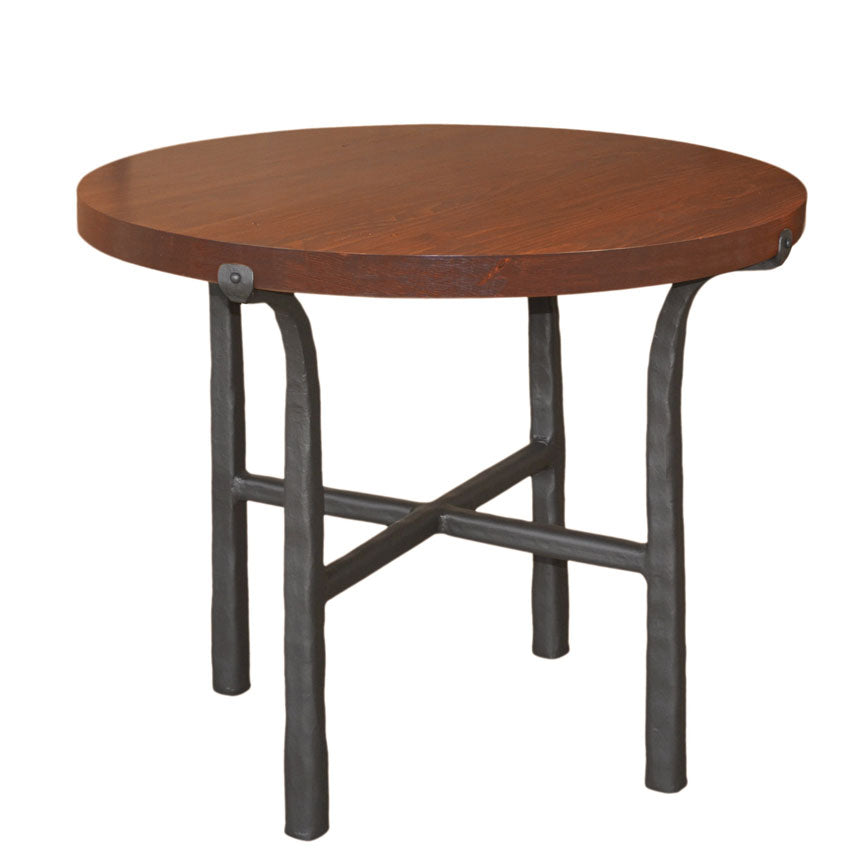
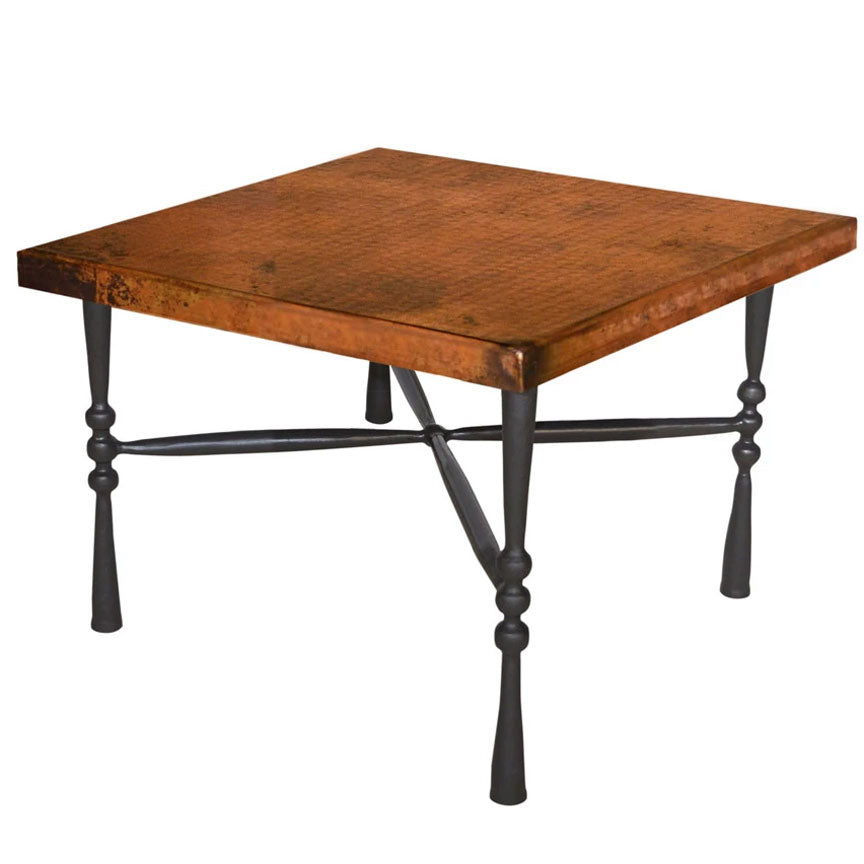
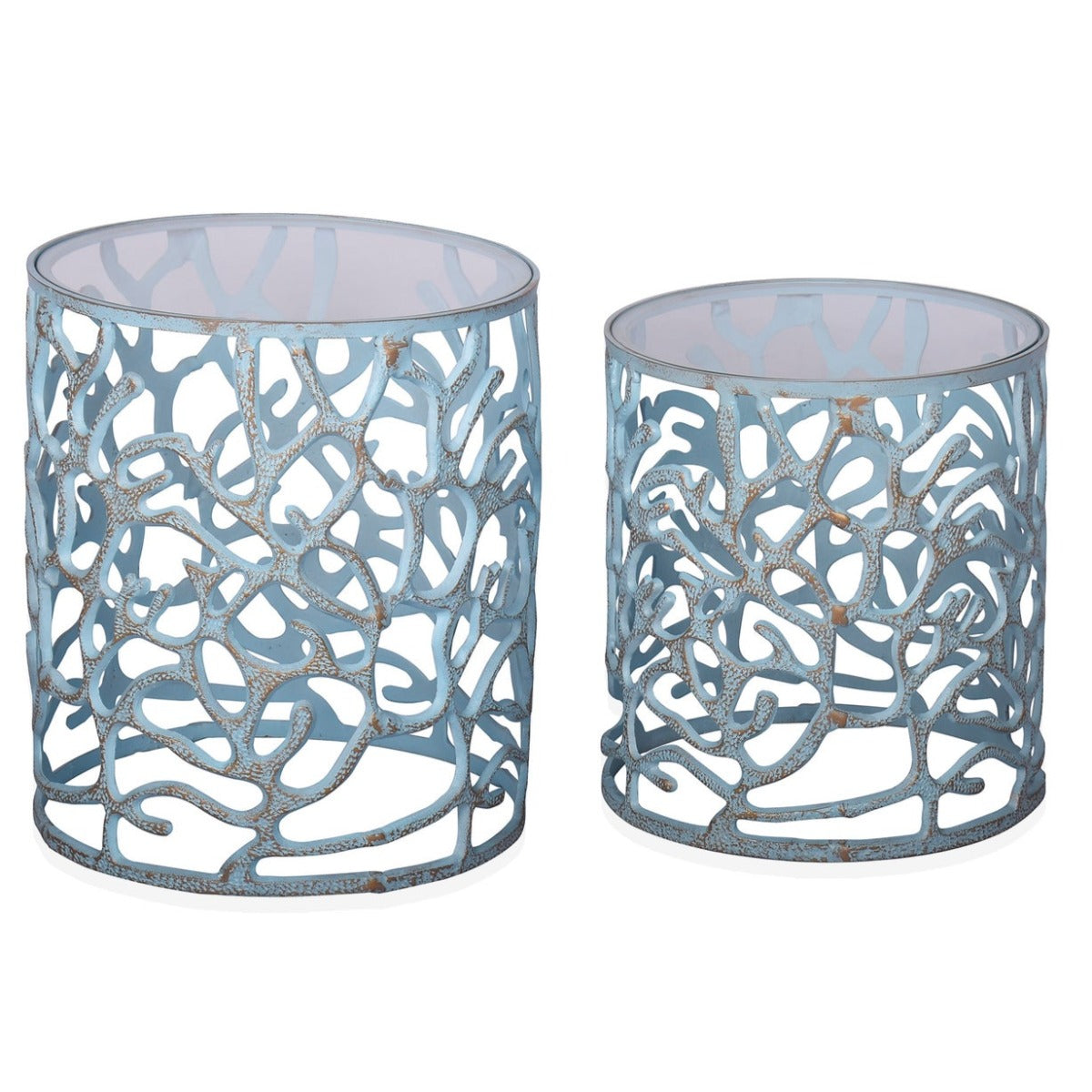
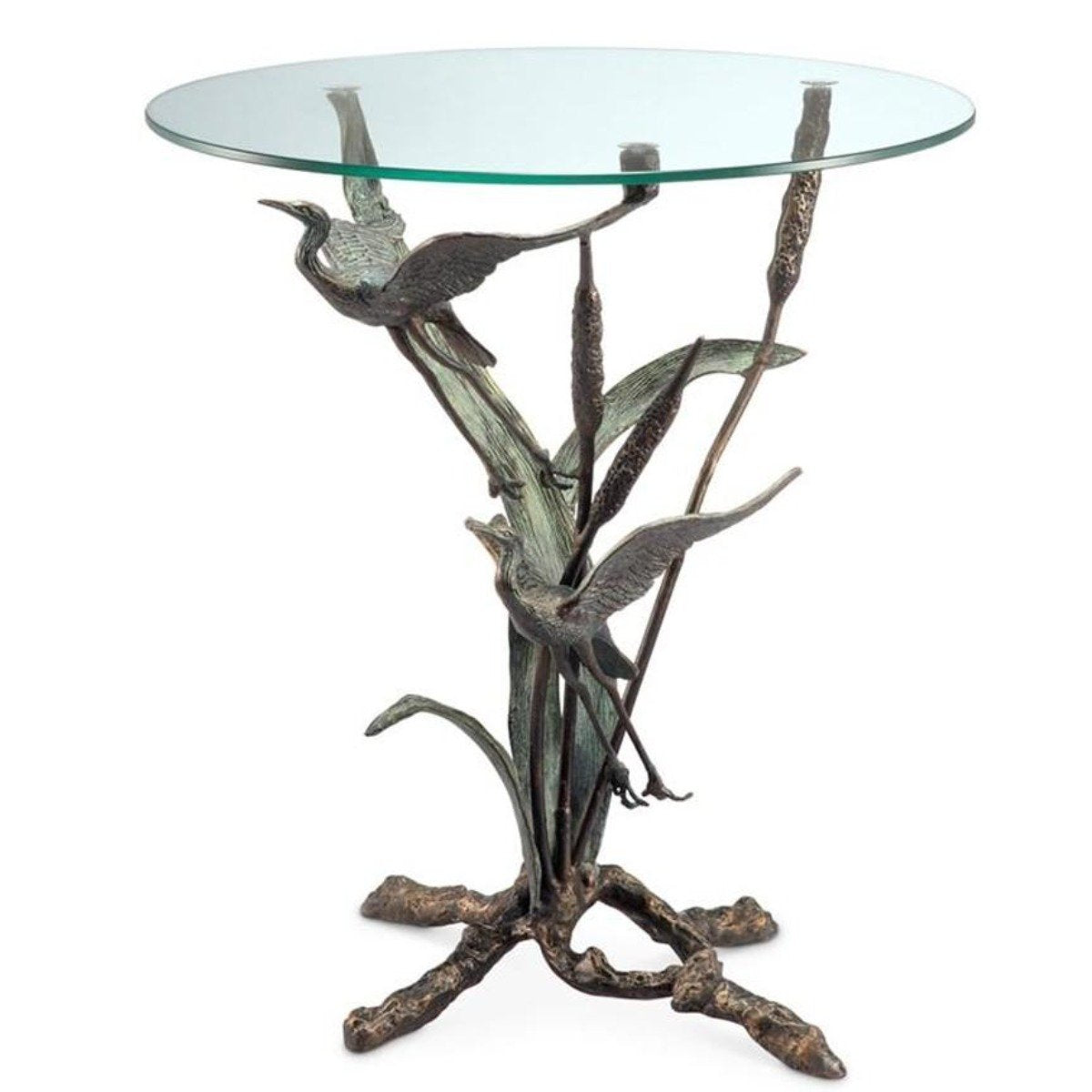
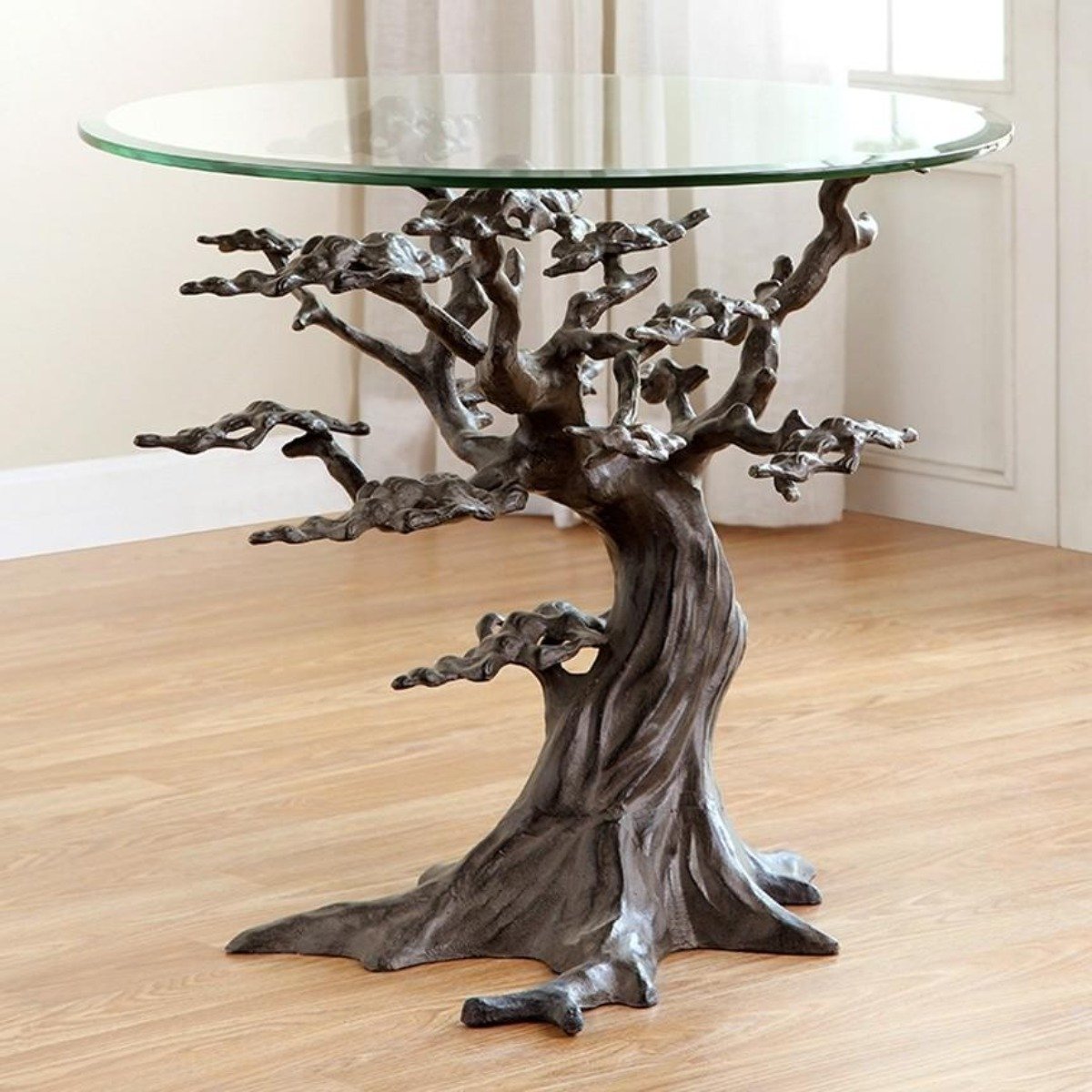
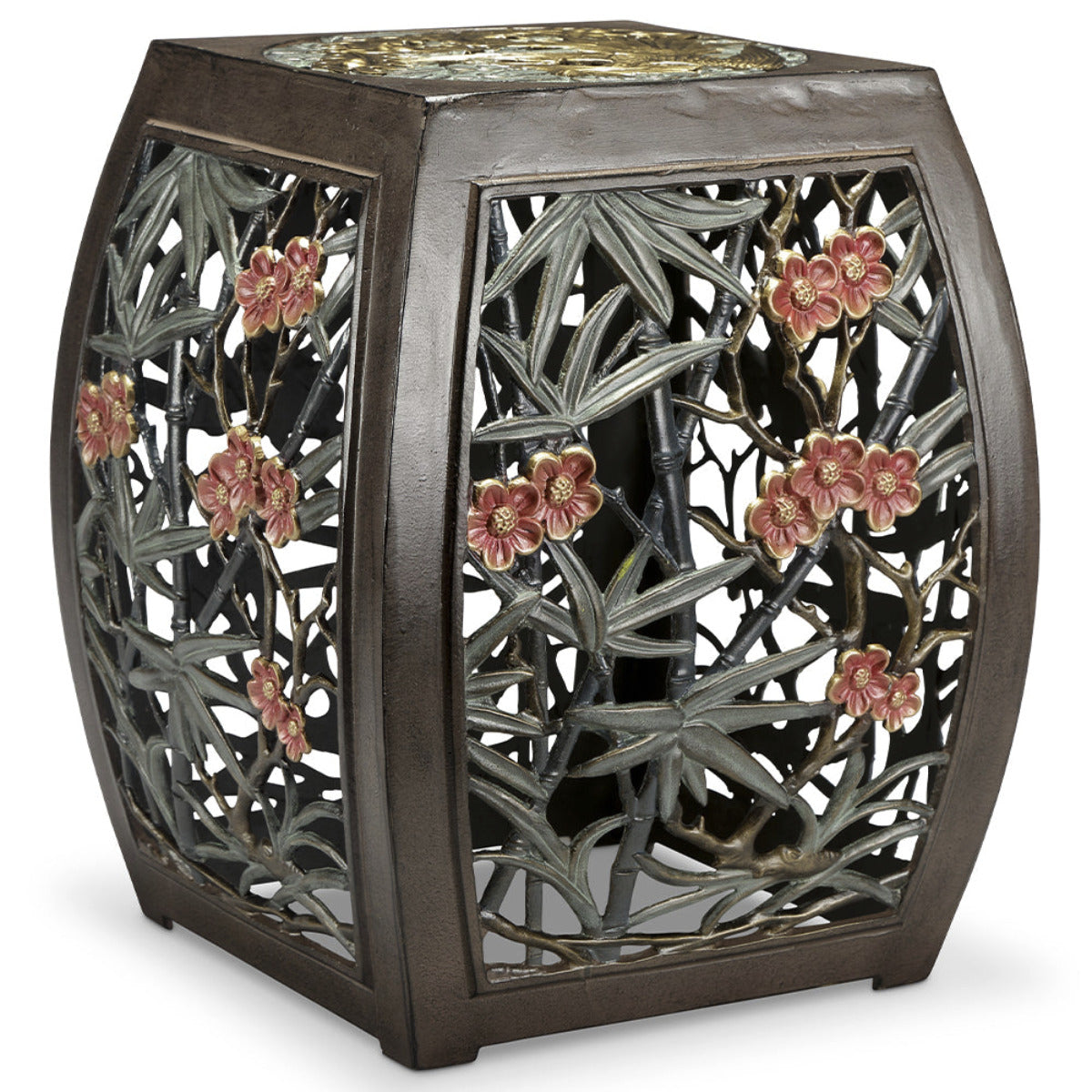
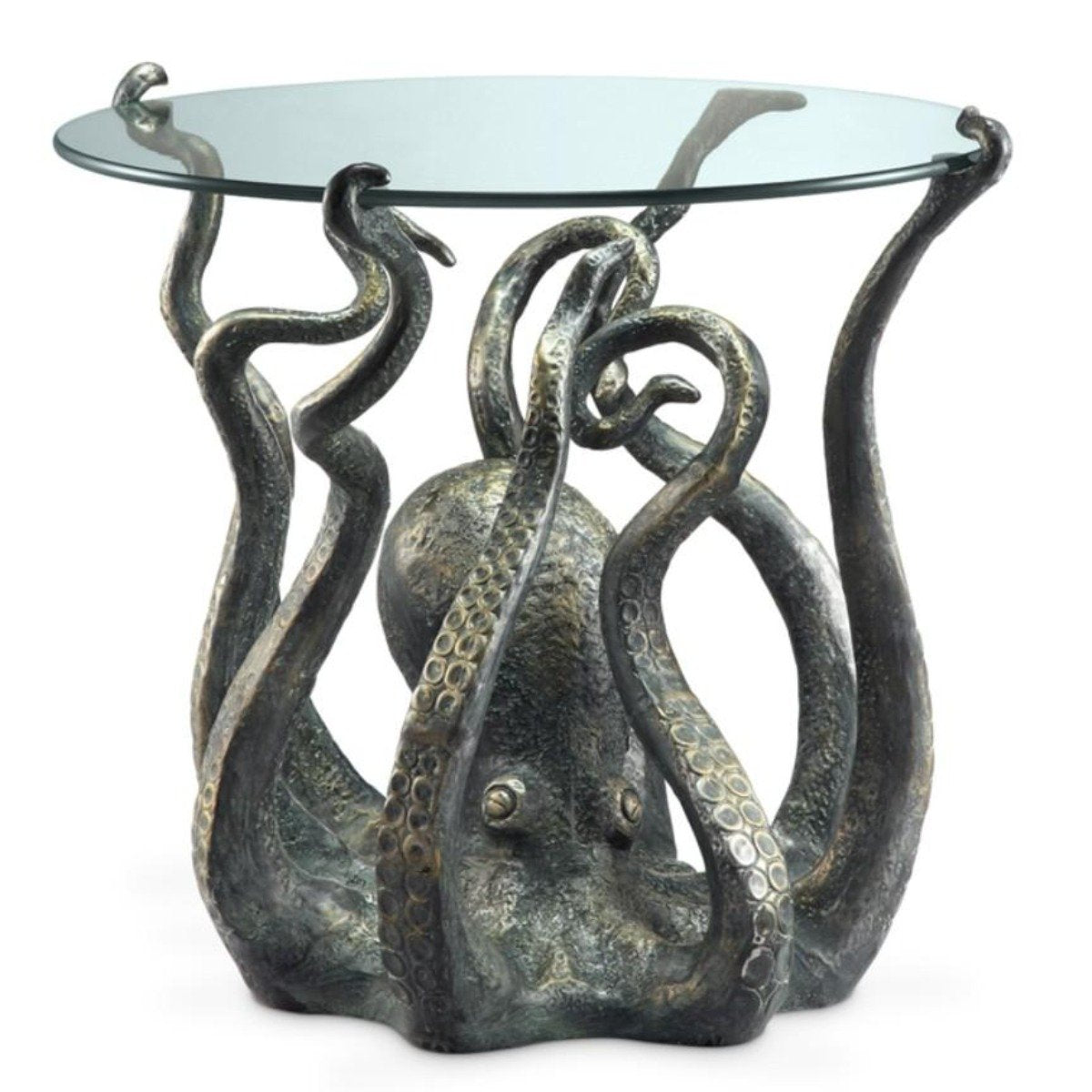
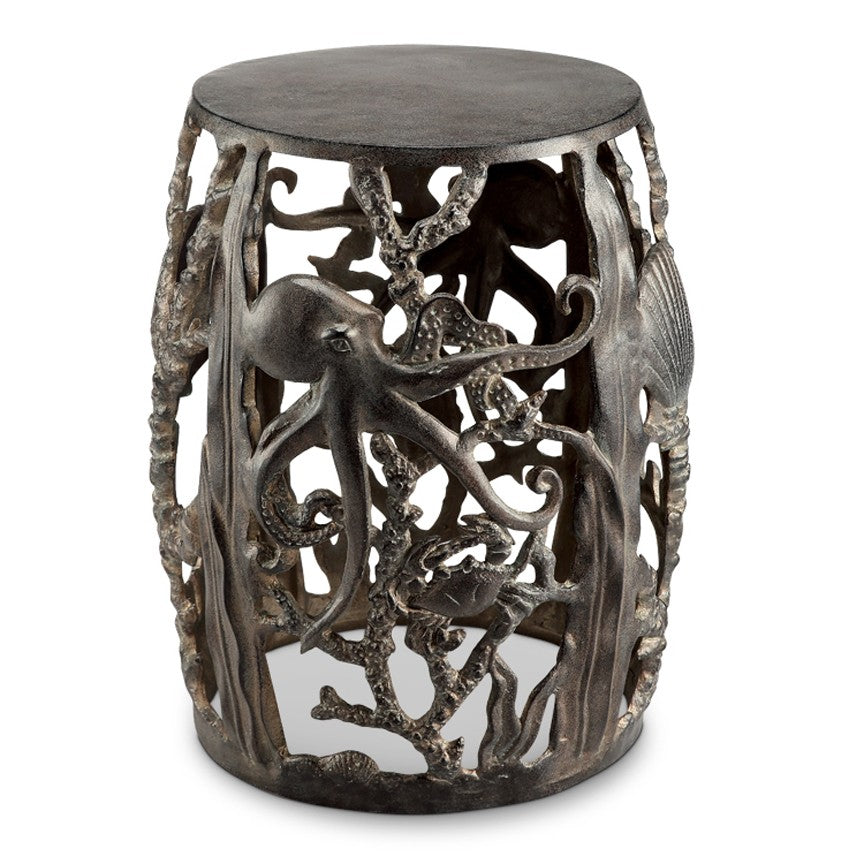
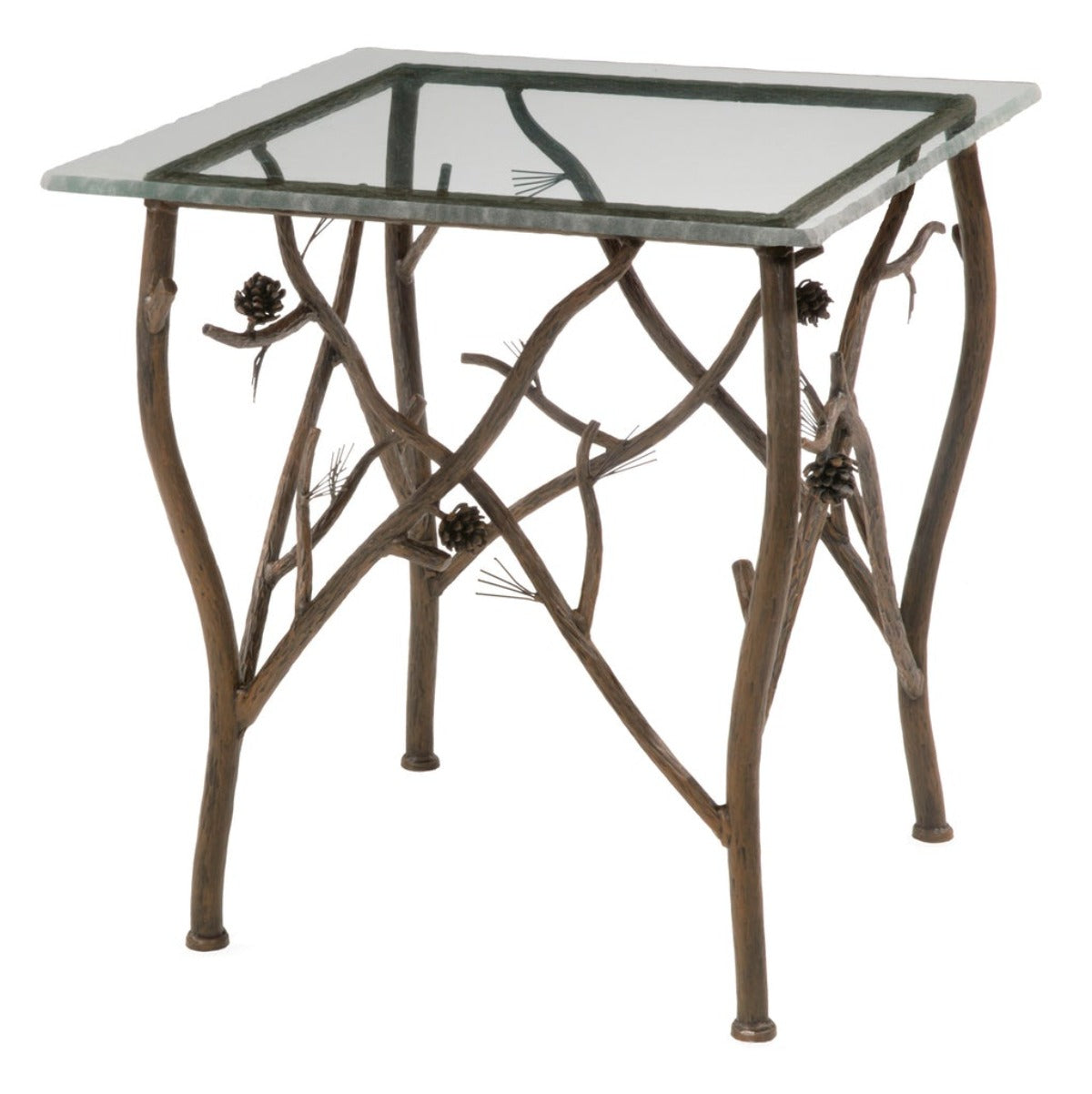
Our collection brings together iron, wood and mixed-material tables, sculptural accents, pull-up C tables and handcrafted bases—pieces chosen as much for their character as for their everyday usefulness.
Before ordering: some products are complete tables, while others are bases sold without a top. Review the product title, description and available options to confirm what is included.
The Finishing Touch
A side table is rarely the largest piece in the room, but it may be the one used most often. It holds the lamp that warms a reading nook, the glass set down during conversation, the book waiting beside a favorite chair and the objects that make a home feel personal.
That is why these tables deserve more than an ordinary silhouette. Hand-forged branches, hammered frames, warm wood, graceful curves and unexpected sculptural forms bring character into corners that might otherwise feel unfinished.
Choose by Placement
Begin with how the table will be used, then consider its height, footprint, surface space and the furniture that will sit beside it.
A surface near the height of the chair arm is usually easiest to reach. Check the table width and depth so it does not crowd the seat or interrupt the walkway.
Consider the height of the mattress or nearby furniture, along with the space needed for a lamp, books, a charging device or decorative objects.
Measure the clearance beneath the sofa or chair, the furniture-arm height and the base width to confirm that the table can slide into the position you expect.
Choosing a Base-Only Design?
Follow the recommended dimensions and confirm the top’s material, weight, overhang, support points and attachment method before combining components from different sources.
Layer the Room with Character
Small tables are an easy place to introduce another texture, finish or shape without changing the entire room.
Metal brings line, structure and sculptural detail. Hammered marks, open frames and hand-applied finishes can make a small table feel architectural without overwhelming the room.
Wood adds warmth, grain and a sense of age. Paired with iron, woven texture or other materials, it creates a collected look that feels comfortable rather than overly matched.
Glass can reveal decorative ironwork and keep the room feeling open, while stone and specialty materials add natural variation and a more substantial presence.
Form Meets Everyday Function
Side and accent tables move easily through the home. A table used beside a reading chair today may become a nightstand, plant stand, drink table or small display surface later. That flexibility makes them especially useful in rooms that change with the way you live.
C tables bring the surface directly over a sofa or chair, nesting tables separate when guests arrive, and compact cabinets or multi-use stools add storage or occasional seating along with a place to set something down.
Product pages identify the dimensions, materials, finish, intended use, lead time and whether the item is a complete table, a base only or one of the limited designs available with a choice of top.
Whether the piece is quietly functional or wonderfully unexpected, the goal is the same: to add usefulness, warmth and personality to a part of the room that deserves attention.
Differences in ironwork, patina, wood grain, distressing, stone and hand-applied finishes are part of the character of artisan-made furniture.
Common Questions
Side table and end table usually describe a small table placed beside a sofa, chair or bed. Accent table is a broader term that may include more decorative, sculptural or multi-use pieces. The names can overlap, so the dimensions and intended use are more important than the label alone.
A surface close to the height of the furniture arm is generally comfortable to reach, although a few inches above or below can still work. Compare the table height with the actual arm and seat dimensions of your furniture.
Measure the clearance beneath the furniture, the height and width of the arm and the available floor space. Compare those measurements with the C table’s base width, overall height and the position of its top.
No. The collection includes complete tables as well as bases sold without a top. Some designs may offer a choice of tabletop. The product title, description and available selections identify exactly what is included.
Often, yes, provided the top’s material, shape, dimensions, thickness, weight and attachment needs are compatible with the selected base. Follow the recommended top range on the product page.
Many small tables work well in more than one role. Confirm that the height, surface area, stability and weight capacity suit the new use, and protect the surface from water when displaying plants.
Only use a piece outdoors when the product page specifically identifies it as suitable for outdoor or garden use. Many indoor iron, wood and mixed-material tables are not finished to withstand ongoing exposure to moisture, sun or temperature changes.
Requirements vary by product. Some pieces are stocked, while others are handcrafted after purchase. Bases, shelves or tabletops may require assembly or placement. Review the production and shipping information on the individual product page.
Continue Shopping